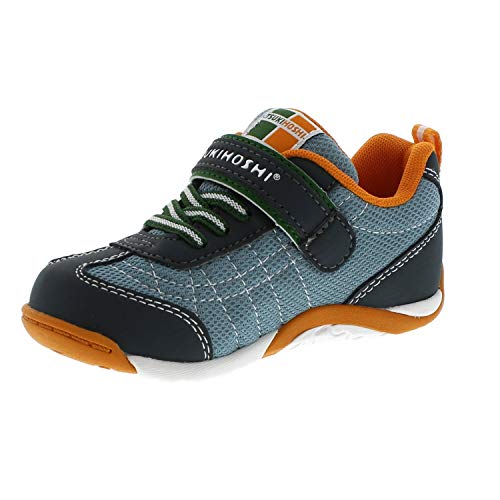
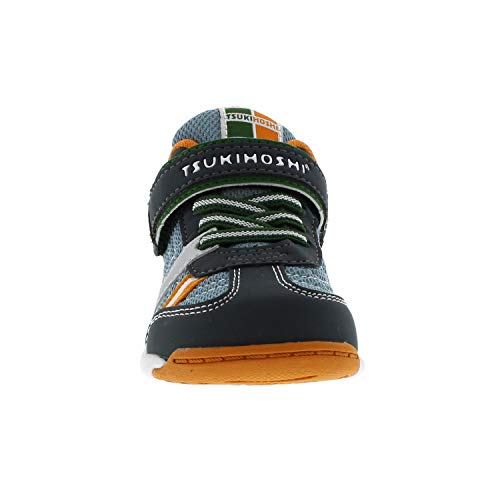
The most critical aspect of selecting Tsukihoshi sneakers is understanding their unique toe box design. Unlike many Western brands that taper at the front, Tsukihoshi follows a more anatomical approach. They prioritize a wide, rounded toe box that allows the toes to splay naturally. This is essential for boys who are frequently running, jumping, and pivoting. When shopping, look for models that emphasize this 'natural foot' shape. This design prevents toe crowding and helps in the development of strong arches by allowing the foot to function as it was biologically intended.
Understanding Sole Flexibility and Grip
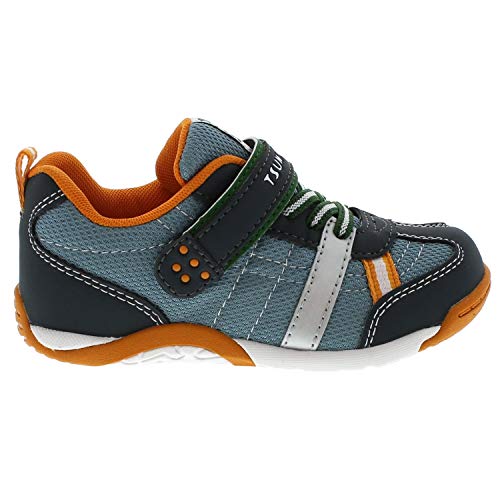
A key decision factor for Tsukihoshi sneakers is the construction of the outsole. These shoes are engineered to be highly flexible, particularly at the metatarsal joints (the ball of the foot). A high-quality Tsukihoshi sneaker should be easy to bend by hand, mimicking the natural flexion of a foot. This flexibility is vital for sensory feedback. It allows the child to 'feel' the ground, which improves balance and proprioception. Additionally, look for outsoles made from non-marking, slip-resistant rubber. For boys who are constantly active on various surfaces—from polished school floors to damp playground asphalt—superior grip is a non-negotiable safety feature.
Weight and Breathability Factors
Because boys tend to be high-energy, the weight of the sneaker plays a significant role in fatigue prevention. Heavy, clunky shoes can alter a child's gait and lead to early tiredness. Tsukihoshi excels at creating lightweight structures that do not sacrifice support. When evaluating different models, consider the upper material. Mesh-based uppers offer maximum breathability, making them ideal for summer months or high-intensity sports, whereas synthetic leather blends provide better water resistance and structural integrity for year-round wear. Aim for a balance that matches your child's primary activity level.
Fastening Systems and Ease of Use
Independence is a major milestone for young boys, and the fastening system of their sneakers plays a role in this. While many Tsukihoshi models utilize high-quality hook-and-loop (Velcro) straps, the quality of these straps matters. Look for wide, sturdy straps that allow for easy adjustments to accommodate varying foot volumes. A good strap system ensures the foot remains securely locked into the shoe, preventing the heel from slipping—a common cause of blisters and instability. If your child is transitioning to laces, ensure the shoe maintains its structural support even when the tension is adjusted.
Recommendation Logic: Matching Shoe to Activity
To make the best purchase, categorize your child's daily routine. For 'all-day school wear,' prioritize lightweight mesh models with excellent breathability and maximum sole flexibility. For 'outdoor adventure and play,' look for sneakers with reinforced toe caps and more robust synthetic uppers to withstand scrapes and moisture. Always remember that the goal of a Tsukihoshi sneaker is to act as a secondary skin—providing protection and structure without hindering the natural movement of the growing foot.