Prioritize Material Durability and Breathability
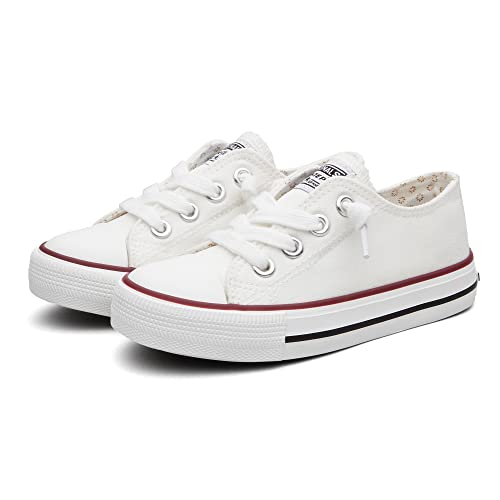
The first thing to consider is the upper material of the sneaker. Boys are notoriously hard on their shoes, so look for reinforced synthetic overlays or high-density mesh. A mesh upper is excellent for breathability, helping to manage moisture and prevent odor during long days of running, but it can be prone to tearing if it is too thin. For a more durable option, seek out sneakers that feature protective toe caps or reinforced stitching in high-wear areas. This prevents the 'toe poke' effect where the front of the shoe wears through after just a few months of use. If your child is prone to overheating, prioritize moisture-wicking linings that keep the interior dry.
Focus on Sole Construction and Grip
The outsole is perhaps the most critical component of a boy's sneaker. You want to look for a rubberized outsole with a multi-directional tread pattern. This provides the traction necessary for running on slick gym floors, grass, or gravel. Avoid soles that are too smooth, as these can lead to slips and falls. Additionally, pay attention to the midsole. A lightweight EVA (Ethylene Vinyl Acetate) midsole offers excellent shock absorption, which is vital for protecting growing joints during repetitive jumping and running. A shoe that is too heavy will cause fatigue, while one that is too flimsy will provide zero support for the arch.
Ease of Use: Fasteners and Fit
Speed is often a priority for kids, and so is independence. When choosing between lace-up, hook-and-loop (Velcro), or slip-on styles, consider the child's age and developmental stage. Hook-and-loop straps are often the gold standard for younger boys because they allow for a customizable, secure fit that is easy for small hands to manipulate. For older boys, traditional laces offer the most precise tension control, which is beneficial for sports-oriented sneakers. Regardless of the closure system, ensure the toe box is wide enough to allow for natural toe splay. A cramped toe box can lead to discomfort and long-term foot development issues.
Weight and Flexibility
A common mistake is choosing a shoe that is too heavy in an attempt to make it 'tough.' A heavy shoe can change a child's gait and make them feel sluggish. The ideal weestep sneaker strikes a balance: it should feel substantial enough to be sturdy, yet light enough that it doesn't feel like a weight on the foot. Test the flexibility of the shoe by gently bending the toe upward. The shoe should flex at the ball of the foot, not in the middle of the arch. This ensures that the sneaker moves naturally with the foot's biomechanics during a stride.
Recommendation Logic
When making your final decision, categorize your needs. If the primary use is school and daily wear, prioritize breathability and ease of cleaning (look for wipeable materials). If the sneakers are intended for heavy outdoor play or playground activities, prioritize reinforced toe protection and aggressive tread patterns. Always aim for a shoe that offers a combination of a cushioned midsole for impact protection and a secure fastening system to prevent tripping.