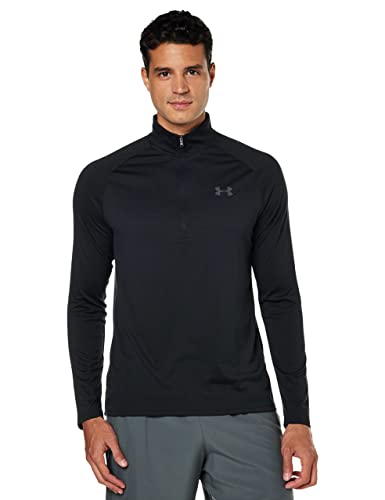
The most critical decision you will make is choosing the right fabric weight and composition. Under Armour typically categorates their sweatshirts into two main camps: thermal insulation and moisture management. If you are shopping for winter months or outdoor activities, look for sweatshirts featuring brushed fleece interiors. This soft, fuzzy texture traps heat against the body, providing essential warmth without unnecessary bulk.
Conversely, if the sweatshirt is intended for high-intensity activity or transitional weather, look for their performance-based synthetics. These fabrics are engineered to wick sweat away from the skin, preventing that uncomfortable 'chilled' feeling that happens when cotton gets damp. For boys who are constantly on the move, a blend that offers both stretch and moisture-wicking capabilities will provide much more utility than a heavy, standard cotton sweatshirt.
Understanding the Fit: Loose, Fitted, or Compression
Under Armour utilizes specific fit profiles that significantly impact how the garment performs. Understanding these is key to preventing premature wear and tear. The 'Loose' fit is the standard for most boys' sweatshirts. It offers extra room in the chest and waist, allowing for easy layering over t-shirts and providing maximum range of motion for play.
If you are looking for a layer to wear underneath a heavier jacket, consider a more 'Fitted' style. These hug the body more closely to prevent bunching under outer layers. While Under Armour is famous for its compression gear, it is rare to find a heavy sweatshirt in a true compression fit, but you should look for 'athletic cuts' that taper slightly at the waist to prevent the 'boxy' look that can often swallow a smaller frame.
Durability and Maintenance Factors
Boys are notoriously hard on their clothing. When evaluating a sweatshirt, look closely at the construction of the cuffs and the waistband. Reinforced stitching at these high-stress points is a hallmark of quality gear that can withstand repeated pulling and stretching. Additionally, consider the hood construction. A heavy-duty, double-layered hood will hold its shape better over time, whereas thinner hoods may sag or lose their structure after several trips through the washing machine.
Since activewear is washed frequently, check the fabric's resistance to pilling. High-quality synthetic blends are generally more resistant to the small fuzz balls that appear on cheap fleece, ensuring the sweatshirt looks new for the entire school year. Always opt for blends that retain their shape. A sweatshirt that stretches out and becomes baggy after one wash is a poor investment for a growing child.
Decision Logic: Matching the Sweatshirt to the Activity
To make the final selection, use this simple logic: If the primary use is lounging or casual school wear, prioritize softness and warmth (Brushed Fleece). If the primary use is sports or outdoor training, prioritize breathability and sweat management (Performance Tech). For the best value, look for versatile mid-weight options that can function as both a standalone layer in the fall and a mid-layer in the winter.