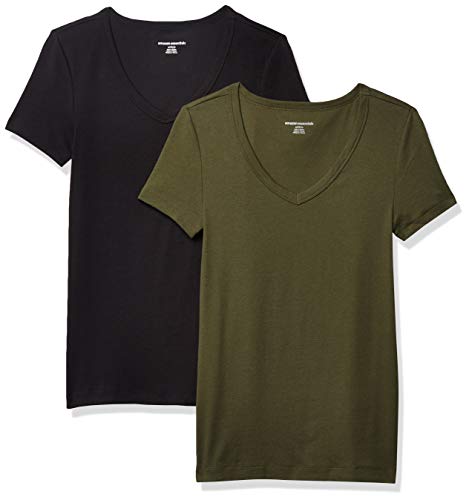
Prioritize Fabric Composition and Breathability
The most critical decision factor for boys' apparel is the material blend. For everyday wear, 100% cotton is often the gold standard because it is naturally breathable and hypoallergenic, making it ideal for boys with sensitive skin or those prone to overheating during physical activity. However, pure cotton can sometimes lose its shape or shrink significantly if not cared for properly. If you are looking for something with a bit more 'give' and wrinkle resistance, look for cotton-polyester blends. The polyester adds structural integrity and helps the shirt retain its color, while the cotton ensures it doesn't feel overly synthetic or scratchy. For high-intensity sports or summer heat, moisture-wicking synthetic blends are worth considering, as they pull sweat away from the body more effectively than traditional knits.
Understanding Fit and Sizing Longevity
Boys grow at unpredictable rates, which makes the 'fit' conversation a strategic one. You generally have two directions to go: a slim fit for a polished look or a classic/regular fit for versatility. For school uniforms or layering under sweaters, a classic fit is usually superior because it allows for air circulation and doesn't restrict movement. When selecting sizes, consider the 'growth margin.' A shirt that is slightly loose in the shoulders and chest might be uncomfortable, but a shirt that is skin-tight will be outgrown in weeks. Look for crew necks with reinforced ribbed collars. A flimsy collar is the first sign of a low-quality shirt, as it will inevitably sag and become 'bacon-necked' after a few washes. A sturdy collar keeps the shirt looking neat even as the boy grows.
Durability and Construction Details
To ensure these shirts don't become 'sleep shirts' after three washes, inspect the construction details. Pay close attention to the stitching, particularly at the shoulder seams and the hem. Double-needle stitching is a hallmark of a durable garment that can withstand the tugging and pulling inherent in childhood. Furthermore, check the weight of the fabric. A 'heavyweight' cotton tee will feel more substantial and resist tearing, whereas a 'lightweight' tee is better for layering but may be more prone to developing small holes over time. If the budget allows, opting for pre-shrunk fabrics is a massive time-saver, as it minimizes the frustration of a shirt turning into a crop top after the first trip to the dryer.
Color Selection and Maintenance
Finally, consider the practicalities of color. While bright colors and graphic prints are fun, a foundation of neutrals—navy, heather grey, black, and white—offers the most utility for mixing and matching outfits. If you are buying in bulk, dark colors are excellent for hiding stains, but be wary of low-quality dyes that might bleed in the wash. To extend the life of your purchase, always wash t-shirts in similar colors and avoid high-heat drying whenever possible. Air-drying or using a low-heat setting will keep the fibers intact and prevent the dreaded shrinkage that plagues many budget-friendly basics.