Understanding Rotor Design: Drilled vs. Slotted
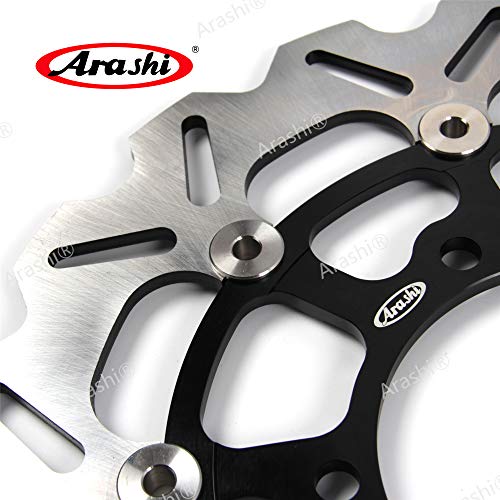
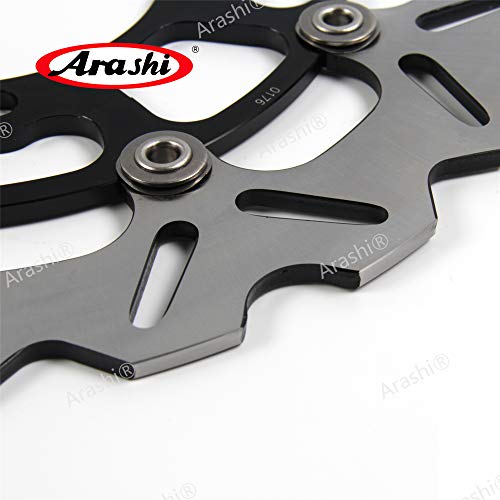
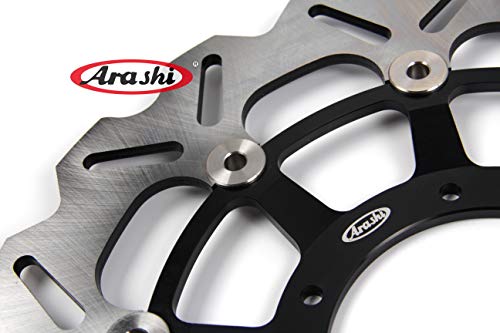
The most immediate decision you will face is choosing between drilled, slotted, or combination patterns. Arashi is well-known for its distinctive drilled patterns, which serve two primary purposes: heat dissipation and weight reduction. The holes allow gases and heat to escape from between the pad and the rotor, preventing 'brake fade' during aggressive driving. However, drilled rotors can sometimes be prone to stress cracking under extreme racing conditions. If your goal is spirited street driving or a stylish aesthetic upgrade, drilled rotors are an excellent choice. If you are heading to a dedicated track day, you might lean toward slotted rotors. Slotted designs provide the benefit of 'sweeping' the brake pads to clear away debris and gas without the potential structural vulnerability of drilled holes, offering a more consistent bite in high-heat scenarios.
Material Composition and Thermal Stability
Not all steel is created equal. When evaluating performance rotors, you must consider the metallurgy involved. High-quality rotors are typically made from High-Carbon Cast Iron. The carbon content is crucial because it improves the rotor's ability to handle thermal shock—the rapid heating and cooling that occurs during heavy braking. Arashi rotors are engineered to maintain dimensional stability, meaning they are less likely to warp when they get hot. Look for rotors that feature specialized coatings on the hub and vanes. These coatings are not just for looks. They prevent corrosion and oxidation, which can otherwise cause uneven braking surfaces and unsightly rust buildup on the non-contact areas of the disc.
Weight Reduction and Unsprung Mass
One of the hidden benefits of upgrading to performance-oriented rotors is the reduction of unsprung mass. Unsprung mass refers to the weight of components not supported by the vehicle's suspension, such as wheels, tires, and brakes. By choosing lighter, high-performance rotors, you allow your suspension to react more quickly to road imperfections, improving both handling and ride quality. While the weight savings might seem incremental per wheel, the cumulative effect on vehicle dynamics is noticeable during cornering and rapid direction changes. When selecting your set, consider if the weight-to-strength ratio aligns with your performance goals.
Matching Rotors to Your Brake Pads
A common mistake is selecting premium rotors but pairing them with low-grade, organic brake pads. To get the most out of your investment, your pad selection must complement the rotor surface. For example, if you choose a drilled rotor, you should use a high-quality semi-metallic or ceramic pad that can handle the increased airflow and temperature fluctuations. Using soft, budget pads with high-performance rotors can lead to uneven pad wear and may fail to take full advantage of the rotor's thermal management capabilities. Always aim for a balanced ecosystem of braking components to ensure longevity and maximum stopping power.