Understanding Veil Lengths and Proportions
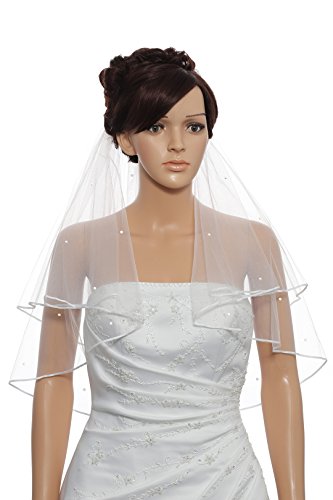
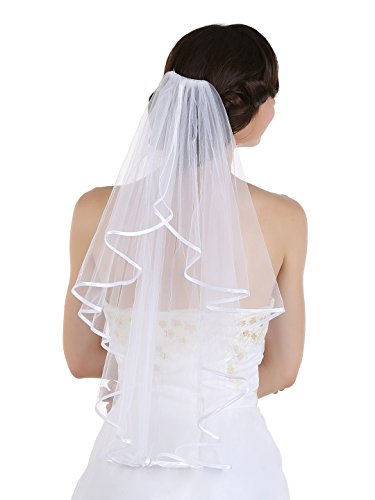
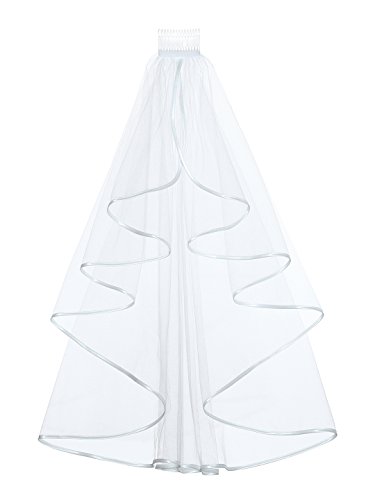
The most critical factor in your selection is the length of the veil relative to your gown. Length dictates the formality and the 'vibe' of your wedding ceremony. A Birdcage or Shoulder-length veil offers a retro, playful feel that works exceptionally well for civil ceremonies or reception changes. If you want something subtle that doesn't compete with an intricate lace bodice, a Fingertip length is the gold standard—it provides a graceful flow without obscuring the details of your dress.
For those seeking maximum impact, Chapel and Cathedral lengths are the premier choices. A Chapel veil typically extends past the train, while a Cathedral veil is significantly longer, trailing several feet behind you. These are ideal for grand, traditional venues with long aisles. However, keep in mind that longer veils require more movement management and can occasionally become a tripping hazard if not paired with a well-structured gown train.
Fabric Choice: Tulle, Lace, and Sheer Textures
The material of your veil determines how it catches the light and how it drapes against your body. Most high-quality veils utilize various grades of tulle. Soft silk tulle offers a cloud-like, romantic drape that flows effortlessly with every step, making it perfect for bohemian or whimsical weddings. In contrast, stiffer nylon tulle holds its shape better, which is useful if you want the veil to create a specific architectural volume around your head.
If your gown is a simple crepe or satin, consider a veil with embroidery or lace edging to add texture and visual interest. Conversely, if your dress is heavily embellished with beads or lace, a plain, sheer veil is often the smarter choice to avoid a cluttered, overwhelming appearance. The goal is balance: let the veil complement the gown, not compete with it.
Compatibility with Hair and Necklines
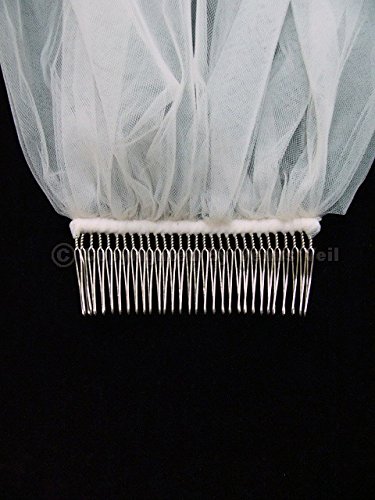
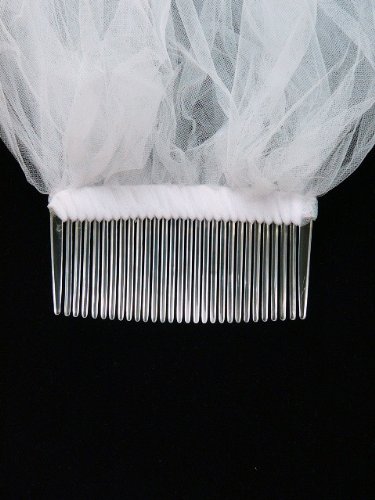
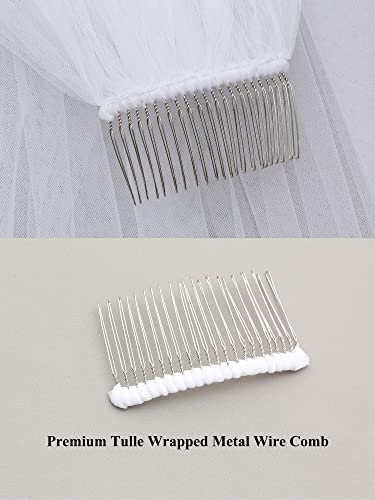
A veil does not exist in a vacuum. It must integrate with your hairstyle and dress neckline. If you are planning an intricate updo with decorative pins or flowers, a single-point comb veil is best, as it sits securely atop the bun. If you are wearing your hair down in loose waves, a blusher (a section of the veil that can be pulled over the face) can add a sense of mystery and tradition during the processional.
Pay close attention to your neckline. High necks or halter styles often pair best with longer, flowing veils that start from the back of the head to avoid crowding the neck area. Deep V-necks or strapless gowns provide a 'blank canvas,' allowing you to experiment with more voluminous or heavily decorated veils that draw the eye downward toward the waistline.
Key Decision Logic for Your Purchase
When making your final decision, use this hierarchy of needs: First, match the formality of the venue to the length. Second, match the texture of the veil to the complexity of the dress. Third, ensure the attachment method (comb, headband, or hairpins) is compatible with your intended hairstyle. A well-chosen veil should feel like an extension of your gown, enhancing your silhouette rather than acting as a separate, disconnected accessory.