Assess Your Part Granularity
The first decision in selecting a bucket organizer is determining the size of the items you intend to store. Not all hardware is created equal. A box of heavy-duty masonry nails requires a different structural approach than a collection of delicate brass washers. Look for organizers that offer a variety of bin sizes within a single unit. If you are storing varied items like screws, nuts, bolts, and washers, a multi-compartment layout is essential. However, if you are primarily storing one specific type of fastener, a single-compartment deep bin might be more space-efficient. High-density organizers with many small cells are excellent for precision hardware, while larger, deeper compartments are better suited for bulkier items like wall anchors or drill bits.
Material Durability and Impact Resistance
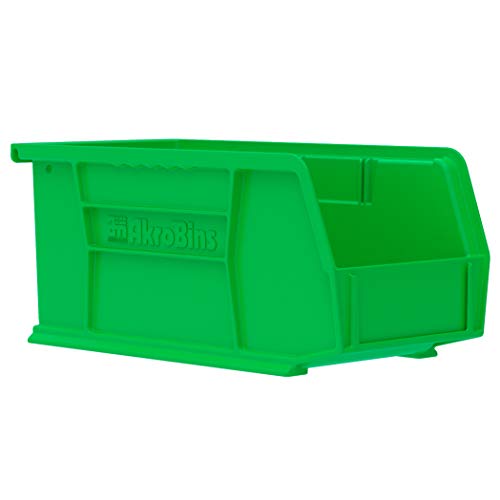
Because these organizers are intended for use in buckets—which are often tossed into truck beds, dragged across concrete floors, or stacked in damp environments—material integrity is paramount. You should look for high-impact polypropylene construction. This type of plastic provides the necessary rigidity to prevent the bins from cracking when subjected to the weight of heavy metal hardware. Furthermore, check the thickness of the bin walls. Thinner plastic tends to bow or warp under the weight of heavy steel bolts, which can make the organizer difficult to remove from the bucket. A premium organizer will maintain its shape even when filled to capacity.
Stackability and Nesting Capabilities
One of the primary advantages of using a bucket-based system is the ability to create a vertical inventory. When selecting your organizers, consider how they interact with one another. Do they nest tightly to save space when empty? More importantly, can they be stacked within the bucket without the top layer becoming unstable? Some designs feature a lip or a recessed base that allows multiple organizers to lock together, creating a stable tower of sorted parts. This is particularly useful for mobile workstations where vibration from movement could otherwise cause your organized bins to shift or spill.
Visibility and Accessibility
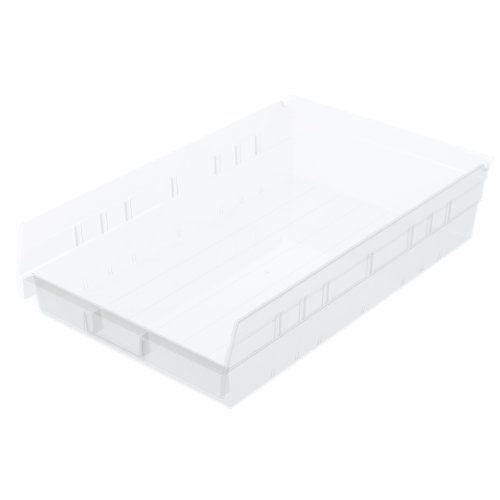
A storage system is only effective if you can find what you need at a glance. Clear or translucent bins are highly desirable if you need to identify contents without removing the organizer from the bucket. However, in heavy-duty industrial settings, solid-colored, high-contrast bins are often preferred for their sheer toughness. If you opt for solid bins, look for designs that feature easy-grip edges or finger cutouts. These small ergonomic details make it significantly easier to lift a bin out of a deep bucket, especially if you are wearing work gloves or if your hands are greasy from a project.
Recommendation Logic: How to Choose
To make the final selection, follow this logic: If your goal is maximum organization for small, diverse parts, prioritize a multi-cell organizer with varying compartment sizes. If your goal is heavy-duty bulk storage, prioritize deep, single-cell bins with thick walls. If you are working in a mobile environment (like a service van), prioritize organizers that feature interlocking or nesting capabilities to ensure nothing shifts during transit. By matching the bin geometry to your specific inventory, you transform a standard bucket into a professional-grade mobile warehouse.