Prioritize Material Integrity and Construction
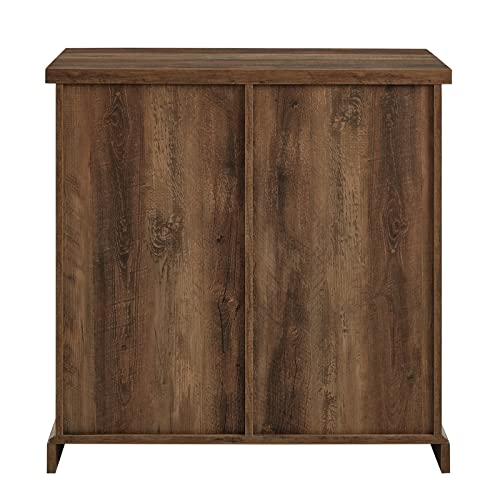
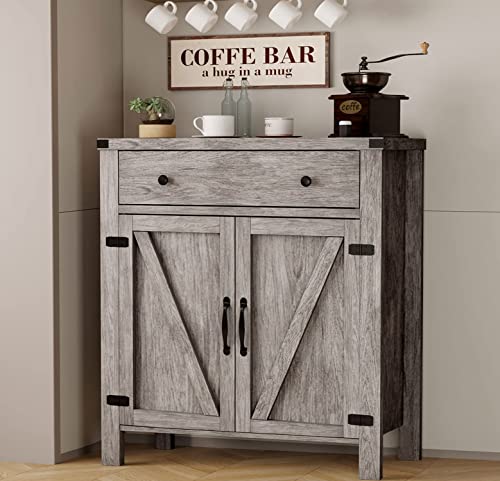
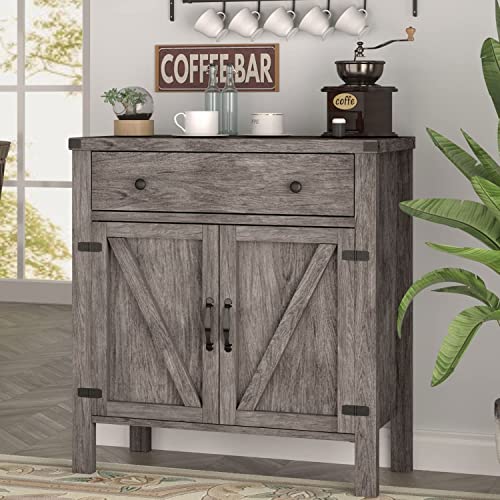
The longevity of a sideboard is dictated by the quality of its build. When evaluating options, look closely at the primary materials. Solid wood offers unmatched durability and a timeless warmth, making it ideal for traditional or farmhouse aesthetics. However, many modern designs utilize high-grade engineered woods with premium veneers. These can be excellent for achieving sleek, contemporary looks without the high price tag of solid timber, provided they are finished with a moisture-resistant coating. Pay attention to the weight of the unit. A substantial, heavy piece often indicates denser materials and more robust joinery, which is essential if you plan to use the top surface for heavy serving platters or large centerpiece arrangements.
Assess Storage Configuration and Versatility
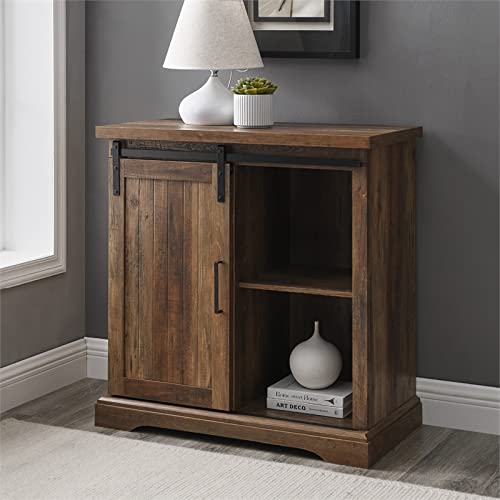
Not all sideboards are created equal in terms of internal organization. Before purchasing, visualize exactly what you intend to store. If you are housing fine china, look for units with adjustable shelving to accommodate varying plate heights. If your goal is to create a bar area, prioritize units with deep drawers for bottle storage and perhaps integrated wine racks. A mix of closed cabinetry and open shelving can offer a hybrid approach, allowing you to hide cluttered essentials while displaying curated decor. Consider the door mechanisms as well—sliding doors are excellent for tight spaces where a swinging door might obstruct a walkway, whereas classic hinged doors offer easier access to the full width of the interior.
Scale, Proportion, and Spatial Flow
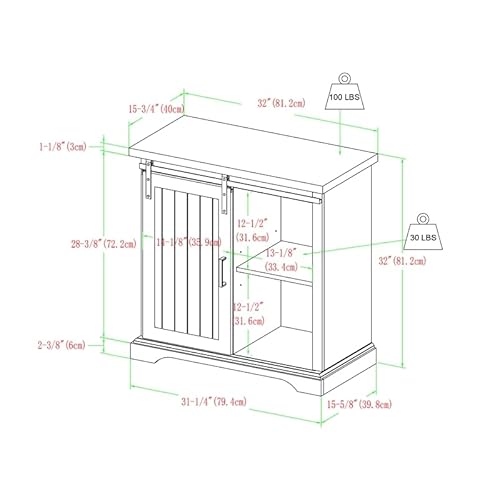
A common mistake in furniture shopping is selecting a piece that overwhelms or disappears within a room. A sideboard should feel proportional to your dining table and the surrounding walls. Measure your space not just for the footprint of the unit, but for the 'clearance zone.' You need enough room to pull out chairs and walk around the piece comfortably. If you have a large, expansive dining room, a long, low-profile sideboard can help ground the space. Conversely, in a smaller apartment, a more compact, mid-height buffet prevents the room from feeling cramped. Always consider the height of the unit in relation to your wall decor. The sideboard acts as a visual pedestal for lamps, art, or mirrors.
Style Cohesion and Functional Finishes
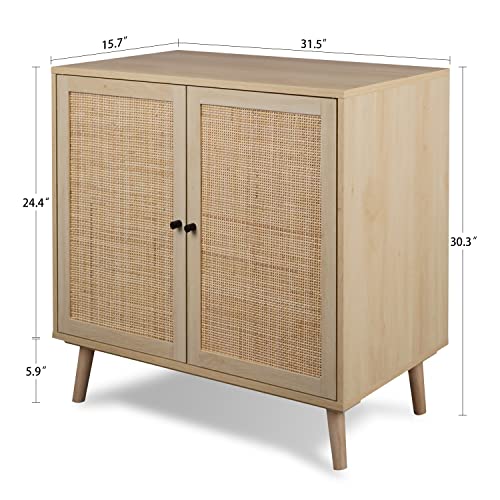
Your choice should bridge the gap between your existing decor and your desired atmosphere. Mid-century modern sideboards often feature tapered legs and clean lines, perfect for an airy, retro feel. Industrial styles might incorporate metal accents and darker wood tones, while transitional pieces offer a blend of traditional silhouettes with modern, simplified details. Beyond aesthetics, consider the finish's practicality. In high-traffic dining areas, a matte or satin finish is often more forgiving regarding fingerprints and light scratches than a high-gloss surface. Ensure the finish is durable enough to withstand the occasional spill or the heat from a serving tray.