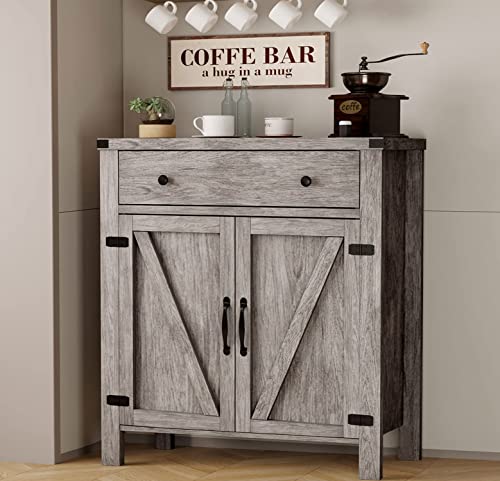
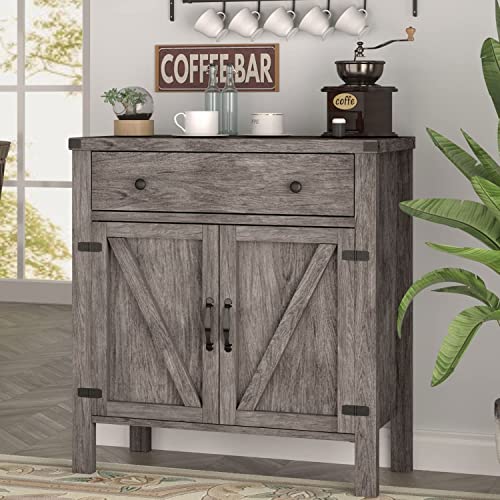
Define Your Primary Function
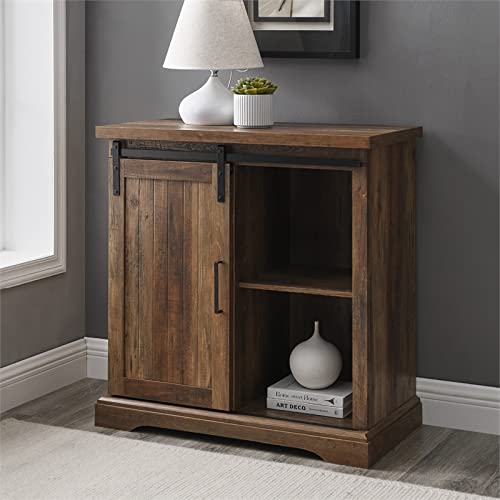
Before browsing styles, determine exactly how the piece will serve your lifestyle. Are you looking for a 'serving station' to hold platters during large holiday dinners, or a 'storage hub' to hide away linens and seasonal decor? If your goal is serving, look for a sideboard with a durable, heat-resistant top surface that can withstand warm dishes. If your goal is storage, prioritize internal configurations. Sideboards with adjustable shelving are superior for accommodating tall pitchers or deep serving bowls, while those with specialized drawers are better suited for silverware, napkins, and table runners.
Material Durability and Maintenance
The material of your sideboard will determine its longevity and how much effort you spend on upkeep. Solid wood constructions offer unmatched durability and a timeless warmth, making them ideal for high-traffic dining rooms. However, they may require periodic polishing. Engineered wood with high-quality veneers can provide a similar aesthetic at a more accessible price point but may be more sensitive to moisture spills. For those who host frequent, messy dinners, consider surfaces like stone, quartz, or high-pressure laminates which offer superior resistance to stains and scratches from plates and glassware.
Scale, Proportion, and Spatial Flow
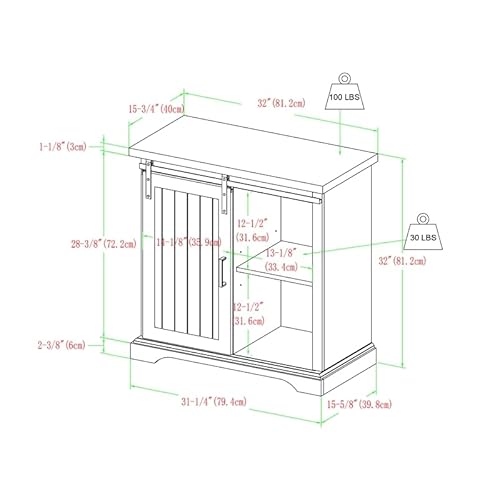
One of the most common mistakes in dining room design is choosing a sideboard that overwhelms the room or, conversely, looks lost against a large wall. A sideboard should be proportional to your dining table. A general rule of thumb is that the buffet should be roughly two-thirds to three-quarters the length of the table to maintain visual balance. Furthermore, consider the 'clearance zone.' You need enough space between the edge of the sideboard and the dining chairs to allow guests to pull their seats out comfortably without feeling cramped against the furniture.
Storage Configuration and Accessibility
Examine the internal architecture of the piece. A well-designed sideboard often utilizes a hybrid approach: cabinets for bulky items and drawers for smaller essentials. Look for soft-close mechanisms on both doors and drawers. This prevents the jarring noise of slamming wood during a quiet dinner party and protects the integrity of the hardware over time. If you plan to use the sideboard as a bar, check for integrated wine racks or dedicated compartments for spirits and glassware to maximize the utility of the footprint.
Style Integration
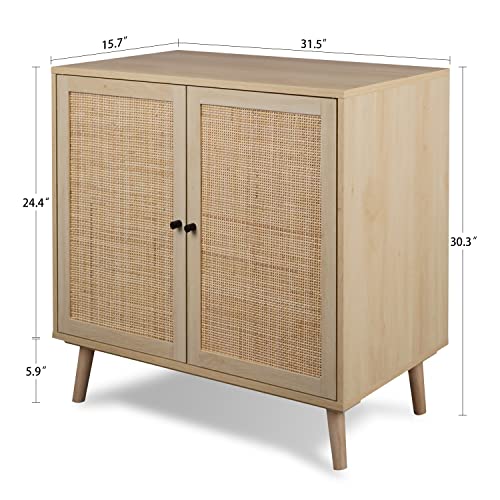
Finally, ensure the piece complements your existing decor. A mid-century modern sideboard with tapered legs will provide a light, airy feel, making a small room appear larger. In contrast, a heavy, traditional sideboard with ornate carvings and dark finishes creates a sense of formality and permanence. Consider the hardware—brass, matte black, or brushed nickel—as these small details often act as the 'jewelry' of the piece and should coordinate with your dining room lighting and other metal accents.