Understanding Color Temperature (Kelvin)
The most critical decision you will make when selecting Simba bulbs is the Kelvin (K) rating. This measurement determines the 'color' of the light. If you choose a bulb with a low Kelvin rating (2700K to 3000K), you are opting for 'Warm White.' This produces a soft, yellowish glow that mimics traditional incandescent bulbs, making it ideal for bedrooms, living rooms, and dining areas where relaxation is the priority. Conversely, a higher Kelvin rating (4000K to 5000K) falls into the 'Cool White' or 'Daylight' category. These bulbs emit a crisp, bluish-white light that enhances focus and color accuracy, making them the superior choice for kitchens, home offices, and bathrooms where task-oriented lighting is required.
Brightness vs. Wattage: The Lumen Factor
One of the most common mistakes in bulb shopping is relying on wattage to determine brightness. In the era of LED technology, wattage now primarily measures how much energy a bulb consumes, rather than how much light it emits. To find the right brightness, you must look at the Lumens. If you are replacing an old 60W incandescent bulb, you should look for a Simba LED bulb that provides approximately 800 lumens. For high-ceilinged rooms or large open-plan spaces, you will want bulbs with higher lumen counts to ensure light reaches every corner without creating dark spots. Always calculate the total lumens needed for a room to avoid under-lighting or creating an overly clinical, harsh environment.
Base Type and Physical Fit
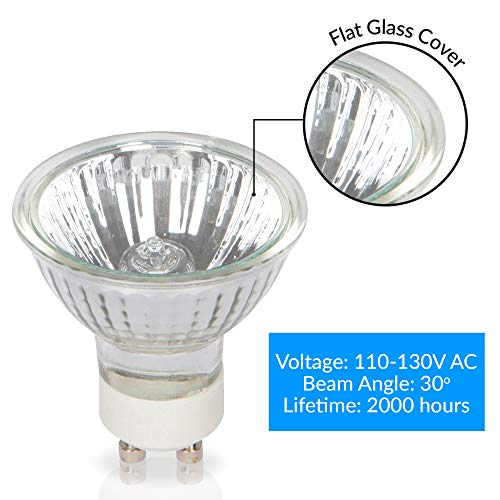
Before finalizing your purchase, you must verify the base type of your existing fixtures. Most standard household lamps and ceiling fixtures use an E27 (large screw) or an E14 (small screw) base. Simba offers various configurations, but a mismatch here will render the bulb useless. Additionally, consider the shape of the bulb. While the classic 'A60' pear shape is the standard for most lamps, you may encounter specialty fixtures that require 'G' series (globe) bulbs for decorative effect or 'GU' series pins for recessed spotlights. Pay close attention to the dimensions of the bulb; some high-output LEDs are slightly larger than traditional bulbs and may not fit inside enclosed glass shades or tight decorative housings.
Dimming Capabilities and Smart Integration
If your home features dimmer switches, you must ensure that the specific Simba bulb you select is labeled as 'Dimmable.' Not all LED bulbs are compatible with traditional wall dimmers; using a non-dimmable bulb on a dimming circuit can cause flickering, buzzing, or premature hardware failure. If you are looking to modernize your home, consider whether you want a standalone bulb or one that integrates with smart home ecosystems. While standard bulbs provide consistent, reliable light, smart-capable options allow you to adjust brightness and color temperature via voice commands or mobile apps, providing a level of customization that standard bulbs simply cannot match.
Energy Efficiency and Longevity
The primary advantage of choosing Simba lighting is the long-term cost savings. When comparing options, look for the energy rating. LEDs are significantly more efficient than halogen or incandescent alternatives, meaning they convert more electricity into visible light rather than wasted heat. This efficiency also translates to longevity. A high-quality LED bulb can last tens of thousands of hours, reducing the frequency of replacements and the hassle of climbing ladders to change bulbs in high ceilings. Investing in a slightly higher-quality bulb upfront often pays for itself through reduced electricity bills and decreased maintenance over the lifespan of the product.