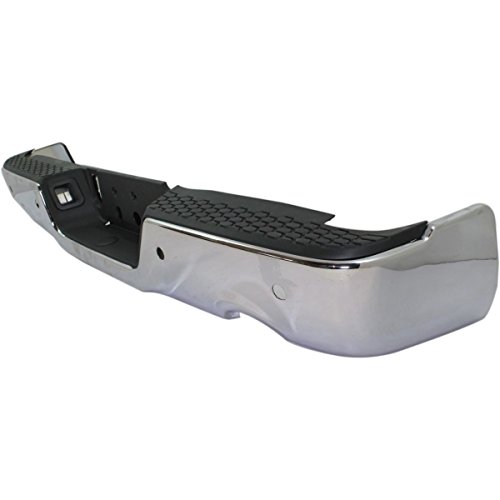
Material Composition and Durability
When evaluating bumper covers, the first thing to consider is the substrate material. Most high-quality aftermarket covers, including those from MBI Auto, are manufactured from high-grade TPO (Thermoplastic Olefin) or similar flexible polymers. Unlike cheaper, brittle plastics that may crack under temperature fluctuations or minor impacts, TPO provides a balance of flexibility and impact resistance. When shopping, look for descriptions that emphasize 'OE-style' material properties. This ensures that the bumper can withstand the natural vibrations of the road and the expansion/contraction caused by extreme weather without warping or losing its structural integrity.
Fitment Precision and OEM Compatibility
The biggest risk with aftermarket bumper covers is the 'fitment gap.' A poorly manufactured cover will leave uneven spaces between the bumper and the fenders, or it may fail to align perfectly with the grille and headlight housings. To avoid this, prioritize covers that are engineered using original equipment manufacturer (OEM) specifications. MBI Auto focuses on replicating the exact dimensions and mounting points of the original part. When reading reviews or product descriptions, look for mentions of 'direct fit' or 'bolt-on installation.' This indicates that you won't need to perform extensive trimming, drilling, or custom bracket fabrication to get the cover to sit flush against your vehicle's chassis.
Surface Preparation and Paintability
It is important to understand that most bumper covers are shipped in a 'primed' state or as raw, unpainted plastic. They are rarely ready for immediate installation right out of the box. A key decision factor is the quality of the primer application. A high-quality primer base is essential for ensuring that the final paint job adheres correctly and does not flake off due to road debris or moisture. If you are planning to have a professional body shop handle the painting, confirm that the cover is 'paint-ready.' If you are painting it yourself, ensure you have the proper adhesion promoters to bridge the gap between the plastic substrate and the automotive paint.
Cost vs. Long-Term Value
While it is tempting to opt for the absolute lowest price point, the 'hidden costs' of a cheap bumper cover can be significant. A low-quality cover that requires hours of extra labor to align or requires expensive modifications to fit the sensors and fog lights will quickly negate any initial savings. The goal is to find a balance where the cost of the part is offset by its ease of installation and its longevity. Investing in a reputable brand like MBI Auto ensures that you are paying for a part that mimics the original equipment's performance, reducing the likelihood of having to purchase a second cover due to warping or poor fitment.
Sensor and Trim Integration
Modern vehicles are equipped with complex technology, including parking sensors, blind-spot monitors, and adaptive cruise control radar. When selecting your cover, verify that the pre-drilled holes and mounting points for these electronic components are present and accurately placed. A cover that lacks the correct cutouts for your specific trim level (such as fog light housings or sensor mounts) will turn a simple replacement into a complex engineering project. Always double-check your vehicle's specific trim and sensor configuration before finalizing your purchase.