Materiality and Craftsmanship
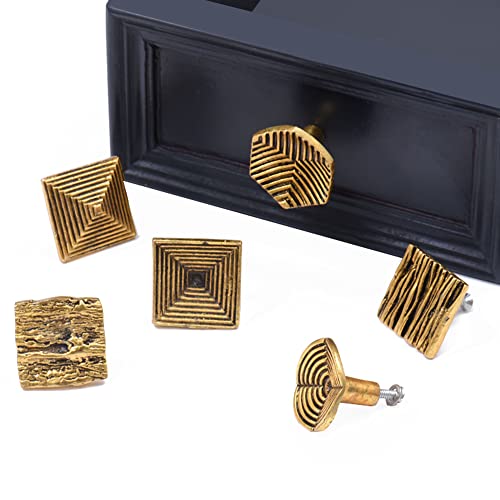
The soul of an Indian-style knob lies in its material. Unlike mass-produced plastic or standard zinc alloy hardware, authentic Indian-inspired knobs often utilize brass, copper, or bronze. Brass is the gold standard for this category because it allows for high-detail casting of traditional motifs like lotus flowers, peacocks, or geometric mandala patterns. If you are seeking a rustic, antique look, look for hand-hammered finishes where the surface is slightly uneven, reflecting the work of a metalsmith. For a more refined, luxury aesthetic, polished brass or antique copper provides a sophisticated sheen that complements dark wood grains beautifully.
Scale, Proportion, and Ergonomics
A common mistake in cabinet hardware selection is ignoring the scale of the knob relative to the drawer or door. For large, heavy pantry doors or wide sideboard drawers, a larger, more substantial knob (often referred to as a 'pull-style' knob) provides the necessary leverage and visual weight. Conversely, for small spice shelves or delicate jewelry cabinets, miniature knobs with intricate filigree work are more appropriate. Beyond aesthetics, consider the ergonomics: a knob with sharp, protruding edges might look beautiful but can be uncomfortable for daily use. Look for designs that offer a comfortable grip area, ensuring that the artistry does not compromise functionality.
Matching Finishes to Wood Tones
The interaction between the knob's metal and the cabinet's wood is critical. Indian furniture is traditionally made from rich, dark woods like Sheesham, Teak, or Rosewood. To create a high-contrast, regal look, opt for bright, polished brass or gold-toned hardware. If you prefer a more muted, integrated appearance, antique bronze or weathered copper finishes blend seamlessly into the shadows of dark wood, highlighting the texture of the carving rather than the shine of the metal. If your cabinetry is a lighter, modern wood, aged brass can provide a necessary 'anchor' to prevent the piece from looking washed out.
Installation and Mounting Requirements
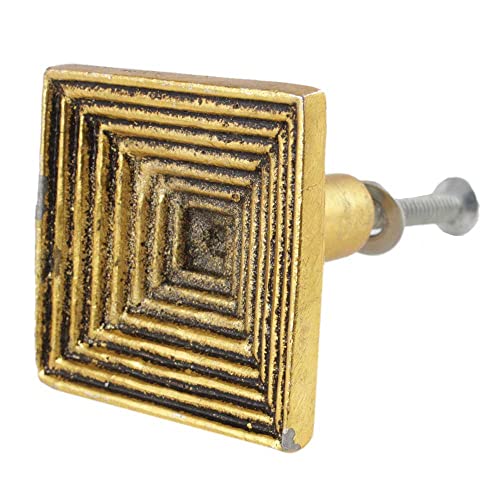
Before finalizing your purchase, always verify the mounting style. Most Indian-style knobs are designed for a single-bolt installation through the back of the cabinet door. Check the 'projection'—this is how far the knob sticks out from the surface. If you have shallow drawers or are installing them in a tight corner, a low-profile knob is essential to prevent snagging clothing. Additionally, ensure the hardware includes the necessary mounting screws or specify if you need to purchase them separately, as thread sizes can vary between artisanal manufacturers.
Style Archetypes: Traditional vs. Fusion
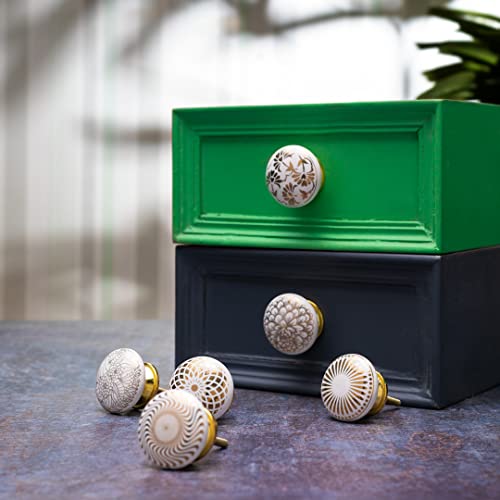
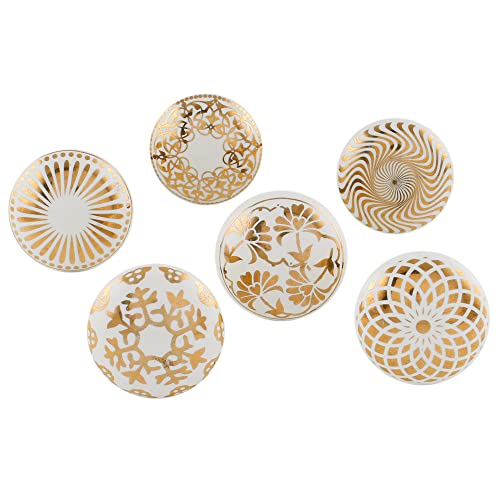
Decide whether you want the hardware to be the centerpiece or a subtle accent. Traditional Indian knobs often feature heavy embossing and mythological or floral imagery, making them ideal for 'maximalist' decor. If your home follows a more modern or 'Boho-Chic' aesthetic, look for 'Fusion' designs. These take traditional Indian motifs—such as the paisley or the mandala—and simplify them into clean, geometric silhouettes that work perfectly in minimalist or mid-century modern settings.