Determine Your Mounting Style: Center-to-Center vs. Overall Length
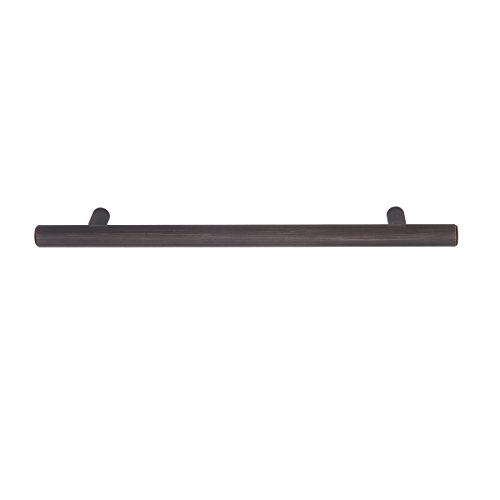
The most common mistake in hardware shopping is focusing solely on how the pull looks while ignoring how it fits. When replacing existing hardware, you must measure the 'center-to-center' distance—this is the measurement from the center of one screw hole to the center of the other. If you are replacing old pulls, matching this exact measurement allows for a seamless installation without the need to drill new holes in your cabinetry. If you are installing hardware on brand-new cabinets, you have more freedom, but you should still consider the scale of the pull relative to the drawer or door size.
Material and Finish Durability
Cabinet pulls are subject to constant contact with oils from skin, cleaning chemicals, and moisture, especially in bathrooms and kitchens. When selecting your hardware, consider the finish carefully. Brushed finishes, such as brushed nickel or brushed stainless steel, are excellent for high-traffic areas because they are highly effective at masking fingerprints and water spots. Conversely, polished finishes like chrome or polished brass offer a high-end, reflective look but require more frequent cleaning to maintain their luster. Ensure the material used is substantial enough to resist bending or tarnishing over time. A solid metal construction is always preferable to hollow or lightweight alloys.
Ergonomics and Grip
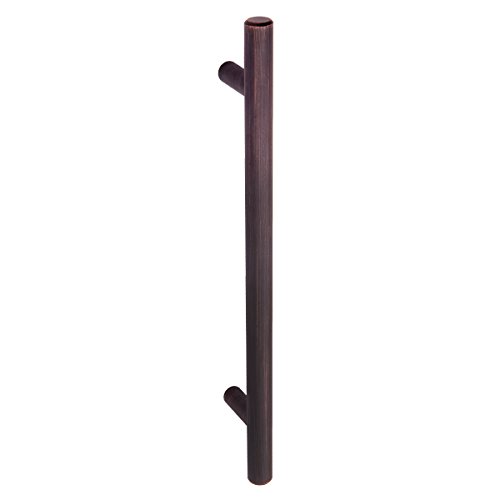
A pull is a functional tool as much as it is a decorative element. Consider the 'projection' of the pull, which is the distance the handle extends from the cabinet face. If a pull is too shallow, your fingers may scrape against the cabinet door when you pull, leading to discomfort. Look for pulls with a comfortable clearance that allows for a natural grip. Additionally, consider the shape. Slim, modern bar pulls offer a minimalist aesthetic, while more rounded or knurled textures can provide better tactile grip, which is particularly helpful for heavy kitchen drawers.
Aesthetic Integration and Design Language
Your choice of hardware should complement the existing architecture of your home. If your kitchen features Shaker-style cabinets, a clean-lined, straight bar pull maintains that classic, understated look. For more traditional or ornate cabinetry, you might opt for pulls with subtle curves or more intricate detailing. Mixing finishes is a growing trend—for example, using matte black pulls against light wood cabinets can create a striking contemporary contrast. However, for a cohesive, timeless feel, it is usually best to stick to a consistent metallic tone throughout the entire room.
Installation Considerations
Before finalizing your purchase, check whether the hardware includes the necessary mounting screws. Most standard pulls require specific screw lengths depending on the thickness of your cabinet doors. If you have extra-thick custom cabinetry, you may need to source longer screws separately. Always plan to install your pulls in a perfectly straight line. Even a slight tilt is immediately noticeable to the eye once the hardware is mounted across multiple doors.