Understanding Brass Finishes and Patinas
When shopping for Franklin brass pulls, the first decision is the specific finish. Brass is not a monolith. It exists on a spectrum from bright and reflective to dark and aged. Polished brass provides a high-shine, formal appearance that works exceptionally well in traditional or maximalist designs. However, if you prefer a more lived-in, historical feel, look for antique or unlacquered brass. Antique finishes often feature intentional darkening in the crevices to simulate age, adding depth to your cabinetry. If you want the warmth of brass without the high maintenance, brushed or satin brass offers a contemporary, muted look that hides fingerprints more effectively than polished surfaces.
Material Integrity: Solid Brass vs. Plated Options
Not all brass hardware is created equal. To ensure longevity, prioritize solid brass construction over zinc alloy or brass-plated steel. Solid brass is a heavy, dense material that resists corrosion—a critical factor if you are installing these pulls in a high-moisture environment like a bathroom or near a kitchen sink. Plated hardware may look identical in a showroom, but over time, the thin layer of brass can wear away, exposing the base metal underneath and leading to unsightly spotting. Investing in solid brass ensures that the luster remains consistent and the weight of the pull feels substantial and premium in your hand.
Proportion and Scale: The Golden Rules of Cabinetry
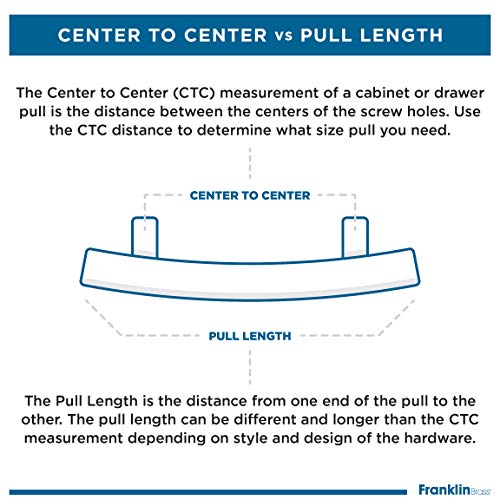
A common mistake in hardware selection is choosing a pull that is either too diminutive or overwhelming for the drawer or door it serves. For standard kitchen base cabinets, a pull length of 3 to 5 inches is often the sweet spot. For larger drawers, you should aim for a pull that spans at least one-third of the drawer width to maintain visual balance. Consider the 'visual weight' of the design: a chunky, heavy-duty Franklin pull will look best on solid wood shaker cabinets, whereas a slimmer, more delicate profile might suit more modern, lightweight cabinetry. Always measure your existing hole spacing if you are performing a replacement to ensure the new hardware aligns perfectly with the pre-drilled holes.
Ergonomics and Grip Style
Beyond how a pull looks, you must consider how it feels. Cabinet pulls come in various shapes: cylindrical, square, or tapered. A tapered pull often provides a more ergonomic grip, allowing your fingers to wrap naturally around the metal. If you have a high-traffic kitchen, avoid pulls with sharp, geometric edges that might feel uncomfortable during repetitive use. Instead, look for rounded edges and a smooth underside. The 'projection'—how far the pull sticks out from the cabinet face—is also vital. You want enough clearance to fit your fingers comfortably without the hardware feeling obstructive to your movement in the kitchen.
Style Cohesion and Hardware Mixing
While it is tempting to match every single piece of hardware in your home, modern design often embraces 'mixed metals.' You can pair Franklin brass pulls with a matte black faucet or stainless steel appliances to create a curated, designer look. However, if you choose to mix, ensure there is a common thread, such as a shared design language (e.g., all pieces having a soft, rounded edge) to prevent the space from feeling disjointed.