Material and Durability
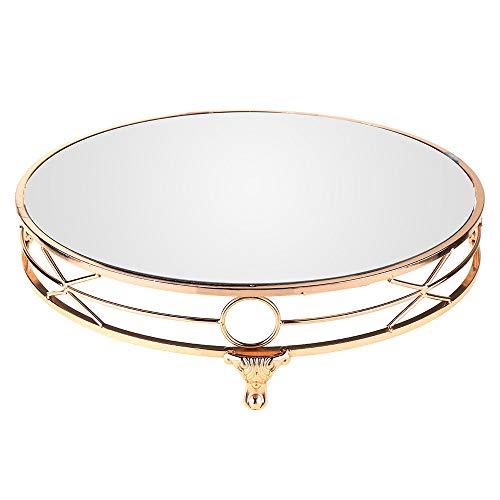
The first decision factor is the material, as this dictates both the aesthetic vibe and the practical longevity of the stand. Ceramic and porcelain stands offer a classic, heavy-duty feel that is perfect for formal settings. They provide a smooth, non-porous surface that is easy to clean and resists staining from fruit glazes or chocolate ganache. If you are looking for a more modern or industrial look, glass or acrylic stands are excellent choices. Glass adds a touch of transparency that prevents the table from looking cluttered, while acrylic offers a lightweight, contemporary alternative that works well for bright, colorful cupcakes. For those leaning toward a vintage or farmhouse aesthetic, metal or wooden stands provide warmth and texture, though you should ensure wooden varieties are treated with food-safe finishes to prevent moisture absorption.
Stability and Base Design
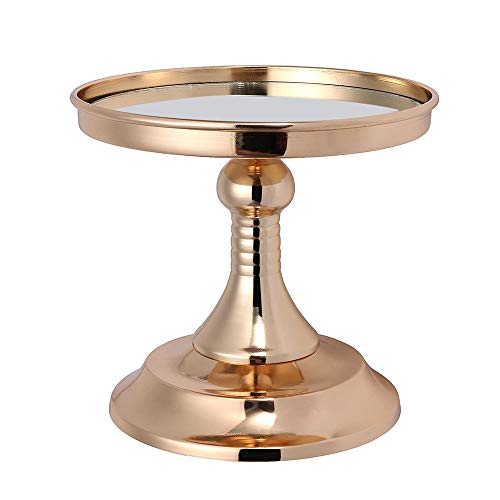
Nothing ruins a celebration faster than a leaning cake. When evaluating a stand, pay close attention to the weight distribution. A high-quality stand should have a wide, sturdy base that prevents wobbling, especially if you are planning to display heavy multi-layered cakes or dense cheesecakes. Look for stands that feature a weighted pedestal or a flared foot. If the stand is intended for multi-tiered displays, ensure the central pillar is thick enough to support the vertical load without bending. For tiered stands specifically, check the stability of the connection points between the levels. They should feel secure and flush, ensuring that the top tier doesn't tilt under the weight of delicate macarons or scones.
Surface Diameter and Capacity
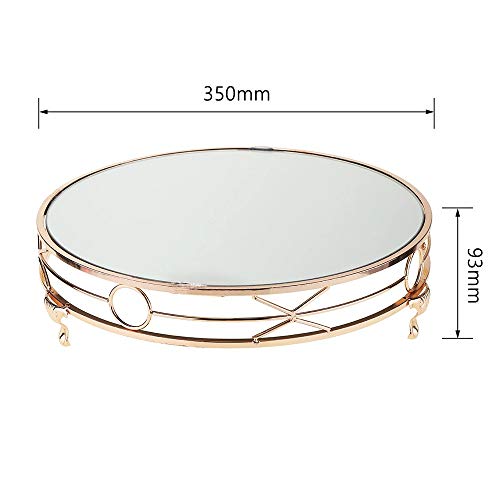
Before purchasing, you must match the stand's dimensions to your typical baking output. A standard 8-inch cake requires a stand with at least a 10-inch diameter to allow for decorative frosting borders and easy handling. If you primarily bake smaller items like tartlets or cupcakes, a smaller, more compact stand might be more efficient for space management. Conversely, if you are a professional or frequent host of large gatherings, a wide-diameter pedestal can act as a communal platter, allowing guests to serve themselves from a single, impressive focal point. Consider the 'edge clearance'—the distance from the edge of your cake to the edge of the stand—to ensure the presentation looks intentional rather than cramped.
Style and Occasion Versatility
Think about how the stand will integrate into your existing kitchenware and your future hosting needs. A minimalist glass stand is highly versatile, fitting in at both a casual brunch and a sophisticated wedding. A highly ornate, gold-rimmed ceramic stand is a statement piece that excels in formal settings but might feel out of place at a backyard barbecue. If you want the best return on investment, opt for a neutral color palette—such as white, clear, or natural wood—which allows you to change the 'mood' of your table simply by swapping out linens and floral arrangements. Always consider if the stand is stackable or easy to store, as decorative pieces can often take up significant cupboard real estate.