Prioritizing Fitment and Clearance
The most critical factor when shopping for caliper covers is ensuring they fit your specific vehicle's braking architecture. Unlike universal accessories, caliper covers are highly dependent on the physical dimensions of your OEM (Original Equipment Manufacturer) calipers. A cover that is too tight can put undue stress on the caliper housing, while a cover that is too loose may rattle or shift during cornering. When evaluating options, look for kits that are specifically engineered for your vehicle's make, model, and year. Pay close attention to wheel clearance. Some larger, more aggressive cover designs can sit closer to the inner barrel of your rims, which might cause interference if you are running low-profile tires or aftermarket wheels with specific offset characteristics.
Material Composition and Heat Dissipation
Caliper covers sit in one of the most thermally volatile areas of your vehicle. As you drive, friction generates significant heat within the brake assembly. Therefore, the material used in the construction of the cover is paramount. High-quality covers are typically manufactured from heavy-duty aluminum alloys. Aluminum is preferred because it is lightweight, resistant to corrosion, and possesses decent thermal conductivity. While the primary purpose of the cover is aesthetic, you want a material that won't warp or degrade under the repeated heat cycles of urban driving or spirited canyon runs. Avoid cheap plastic alternatives that may discolor or melt over time due to proximity to the brake rotors.
Installation Method: Clip-on vs. Bolt-on
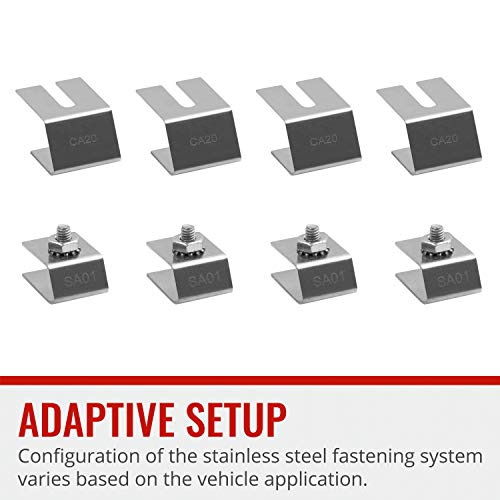
How a cover attaches to your caliper dictates both the ease of installation and the long-term stability of the product. Most premium covers utilize a specialized clip-on mechanism designed to grip the edges of the factory caliper securely. This method is ideal for enthusiasts who want a non-destructive upgrade that can be reversed if they decide to sell the vehicle. However, ensure the locking mechanism is robust. If you prefer a more permanent, 'set-it-and-forget-it' approach, some designs may require minor hardware adjustments. Always read user feedback regarding installation difficulty. Some kits are truly 'plug-and-play,' while others may require specialized tools or even the temporary removal of the caliper to ensure a flush fit.
Aesthetic Versatility and Finish Quality
Since the primary driver for purchasing these covers is visual impact, the quality of the finish is a major decision factor. Look for powder-coated finishes rather than simple spray paint. Powder coating provides a much thicker, more durable layer that is resistant to chipping from road debris and fading from UV exposure. If you are aiming for a 'race-ready' look, consider finishes like bright red, electric blue, or even brushed metallic. If your vehicle has a more understated or luxury aesthetic, matte black or gunmetal finishes can provide a subtle, high-end appearance that complements the factory components without looking out of place.
Maintenance and Longevity
Finally, consider how much maintenance you are willing to perform. Because caliper covers add more surface area to the wheel well, they can act as collectors for brake dust and road grime. When selecting a product, consider how easy it will be to clean the crevices of the cover. A design with smoother transitions and fewer deep recesses will be much easier to maintain during a standard car wash, ensuring your brakes always look as sharp as the day they were installed.