Determine the Crushing Mechanism
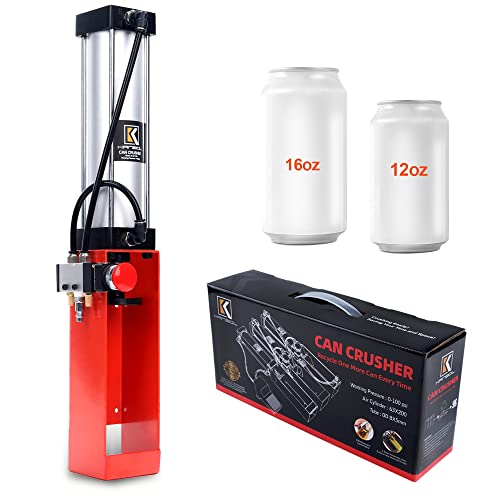
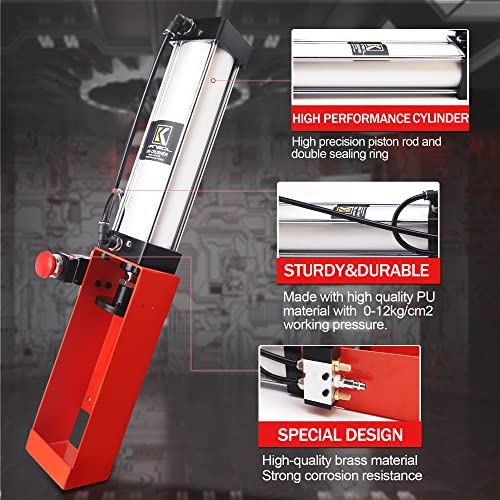
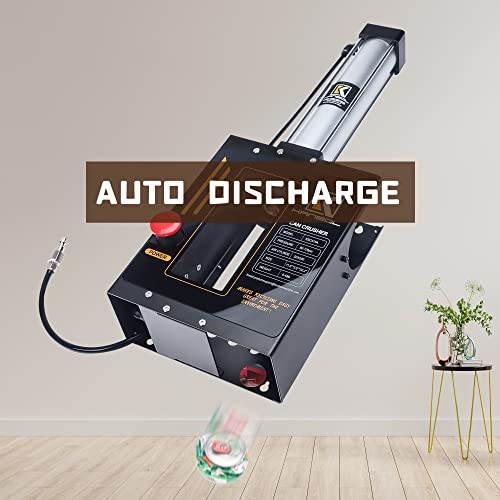
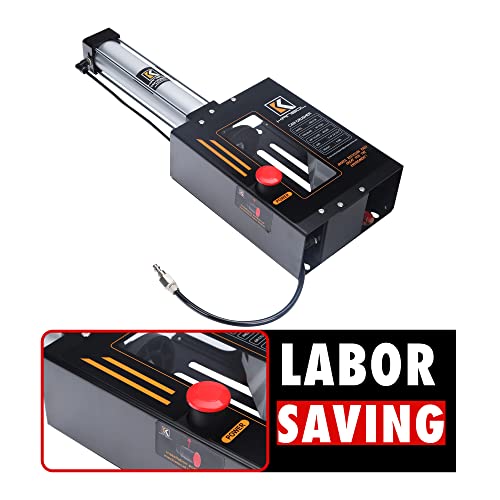
The first decision you must make is between manual and semi-automatic operation. Manual crushers are typically wall-mounted and rely on a lever-action system. These are incredibly reliable because they have fewer moving parts, but they require a consistent physical effort to operate. If you are crushing cans frequently, the repetitive motion can become tiring. On the other hand, semi-automatic or motorized models offer a much higher level of convenience. These units often use a motorized piston or a more advanced geared system that does the heavy lifting for you. If accessibility is a concern or if you prioritize speed over cost, a motorized option is the superior choice.
Mounting and Installation Requirements
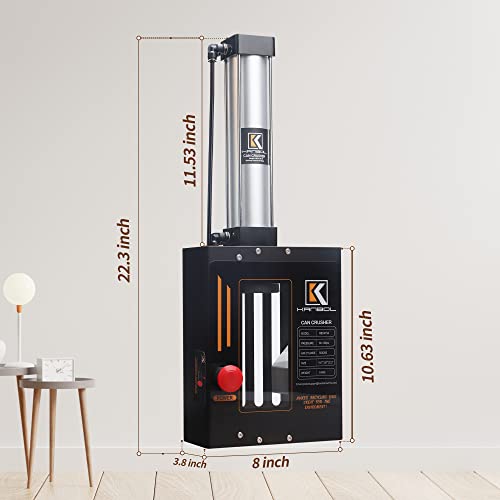
Where you plan to store your crusher dictates the type of hardware you need. Most high-efficiency crushers are designed for wall mounting to save floor space. Before purchasing, check the mounting style. Some models use heavy-duty screws for permanent installation into studs or masonry, which is ideal for high-frequency use. Others might offer more flexible mounting options. You must also consider the 'swing radius' or the clearance required for the lever. A crusher that looks compact on paper might actually require a large amount of vertical or horizontal clearance to function properly, potentially interfering with nearby cabinets or appliances.
Durability and Material Composition
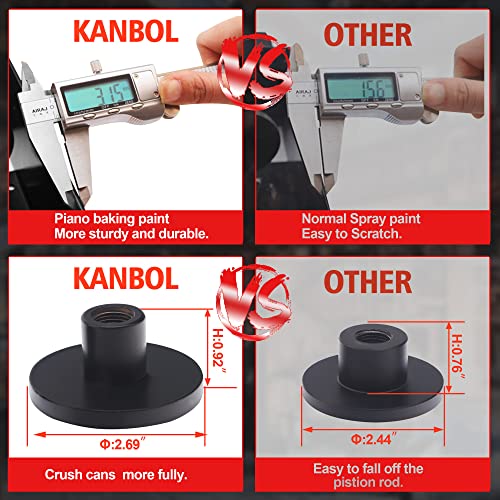
Since these devices are subjected to repeated mechanical stress and potential exposure to moisture from leftover liquids in cans, material quality is paramount. Look for crushers constructed from reinforced steel or high-grade aluminum alloys. Avoid units that rely heavily on thin plastics for the structural frame, as these are prone to cracking under the pressure required to flatten a thick aluminum can. Additionally, pay attention to the finish. A powder-coated or rust-resistant finish is highly recommended to ensure the device doesn't degrade in a garage, basement, or kitchen environment where humidity might be present.
Capacity and Throughput
Not all crushers are built for the same volume. If you are a casual recycler, a basic single-can lever crusher is sufficient. However, if you are managing waste for a business or a large household, you should look for 'multi-can' capabilities or high-speed cycling. Some advanced models allow you to feed cans into a hopper, whereas entry-level models require you to manually place each can into the crushing chamber. Consider the 'crush ratio' as well—the goal is to achieve the flattest possible disc to maximize the space saved in your recycling bin.
Ease of Maintenance and Cleaning
A frequently overlooked factor is how easy it is to clean the unit. When you crush a can, small amounts of residual liquid often spill out. A design that allows for easy access to the crushing chamber or one that features a drip tray will save you significant time and prevent unpleasant odors. Look for models with simple, accessible parts that can be wiped down easily without requiring specialized tools.