Material Composition: Silicone vs. Hard Plastic
The most critical decision you will make is choosing the material. For the vast majority of candy making, food-grade silicone is the gold standard. Silicone is prized for its flexibility, which is essential for 'demolding'—the process of removing the candy from the mold. A flexible mold ensures that you can gently peel the sides away without snapping off delicate edges or breaking your chocolate shells. Furthermore, silicone is generally heat-resistant, making it suitable for melting chocolate or even baking certain dough-based treats. Hard plastic molds, while excellent for providing extremely sharp, crisp edges for professional confectionery, are much more difficult to use for beginners because they lack the give required to release the candy without damage. If you are working with delicate gummies or tempered chocolate, lean heavily toward high-quality, non-toxic silicone.
Complexity of Detail and Surface Texture
When browsing different designs, look closely at the depth and intricacy of the mold's patterns. A mold with shallow, simple grooves will produce a smooth candy that is easy to eat but lacks visual impact. Conversely, a mold with deep, intricate filigree or highly detailed character faces will produce a stunning centerpiece. However, there is a trade-off: the more detailed the mold, the more care you must take during the setting process. If you are making chocolate, you must ensure the chocolate is perfectly tempered to capture these details. If you are making gummies, you may need to allow for a longer setting time to ensure the liquid reaches every crevice. Always check user feedback or visual samples to see if the mold's edges are sharp enough to replicate the intended design.
Size and Capacity Considerations
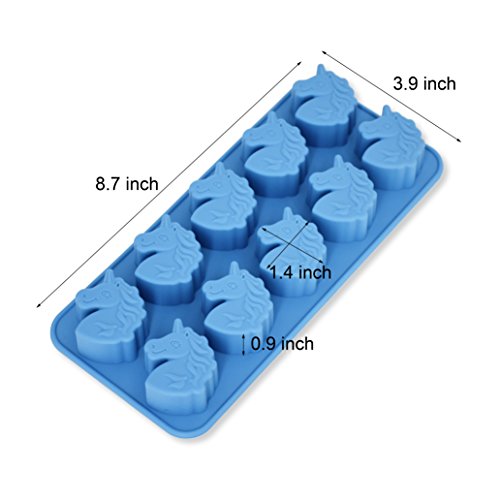
Before purchasing, consider the scale of your production. Small, bite-sized molds are ideal for truffles, bonbons, and gourmet chocolates where a single piece is meant to be an indulgent experience. Larger molds are better suited for gummy bears, large ice cubes, or even cake-style candies. Additionally, pay attention to the 'cavity count.' A mold with 10 large cavities might be better for a single batch of large treats, whereas a mold with 100 tiny cavities is much more efficient for high-volume production like party favors or candy buffets. Matching the mold size to your intended use will prevent wasted ingredients and ensure consistent portion control.
Ease of Cleaning and Maintenance
Candy making can be a messy endeavor, often involving melted fats, sugars, and dyes. Look for molds that are dishwasher safe, though hand-washing with warm, soapy water is generally recommended to extend the life of silicone. Avoid molds with overly complex exterior shapes that might trap debris or become difficult to dry. A smooth, seamless exterior makes for a much easier cleanup and ensures that your kitchen hygiene remains top-tier. High-quality silicone should also be non-porous, meaning it won't absorb the scents or colors of previous batches, preventing your next batch of vanilla chocolate from tasting like strawberry gummies.