Material Matters: Silicone vs. Hard Plastic
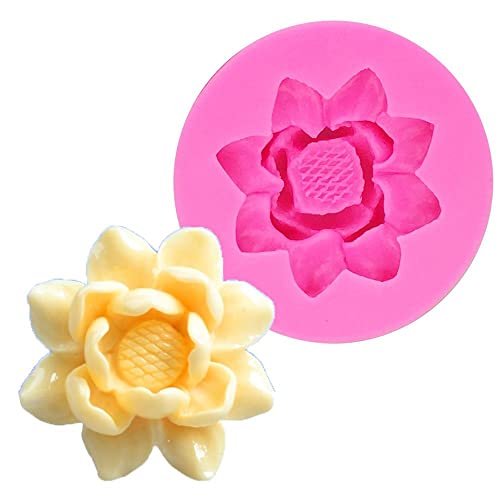
The most critical decision you will make is choosing the material. For the vast majority of candy makers, high-grade food-safe silicone is the gold standard. Silicone is flexible, which is essential for 'demolding'—the process of popping the candy out of the mold. If a mold is too rigid, you risk cracking your chocolate or tearing your gummies just to get them out. Silicone also handles temperature fluctuations well, making it suitable for both melting chocolate and setting boiled sugar solutions.
Hard plastic molds, often used for ice or specific shaped chocolates, offer much higher detail and sharper edges. However, they are unforgiving. If your candy shrinks slightly during cooling, it might pop out easily. If it expands or sticks, you will likely destroy the shape when trying to pry it loose. Only opt for hard plastic if you are experienced with release agents like cocoa butter or specialized sprays.
Detail and Surface Smoothness
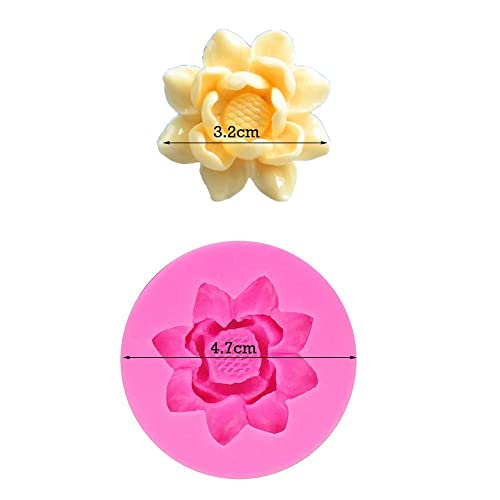
When evaluating a mold, look closely at the interior cavities. A high-quality mold should have smooth, seamless walls. Any tiny ridges, bumps, or imperfections in the mold itself will be mirrored in your candy. This is especially true for tempered chocolate, where a micro-scratch on the mold can result in a dull, matte finish rather than a glossy, professional sheen. If you are looking to create intricate designs—such as floral patterns or complex geometric shapes—prioritize molds that feature high-definition sculpting. The deeper and more defined the cavity, the more impressive the final confection will look.
Food Safety and Durability
Because you are working with ingredients that are often heated, food safety is non-negotiable. Ensure that any mold you purchase is explicitly labeled as food-grade and BPA-free. Some cheaper silicone molds may contain fillers that can leach into your food or degrade when exposed to high temperatures. Look for 'platinum-cured' silicone if possible, as this is the highest standard for stability and safety. Furthermore, consider how easy the mold is to clean. Candy making can be a sticky business. Molds with deep, narrow crevices can be difficult to sanitize properly, so choose designs that allow for thorough washing.
Size and Capacity Considerations
Before purchasing, consider your production volume. If you are making small party favors, a tray with dozens of tiny cavities is more efficient than a single large mold. Conversely, if you are making artisanal truffles, you may want larger, individual molds that allow for more control over the filling-to-shell ratio. Pay attention to the 'depth' of the mold as well. Shallow molds are excellent for thin chocolate decorations, while deeper molds are necessary for gummy candies or molded fudge that requires a substantial bite.
Summary Recommendation Logic
To make your final choice, follow this logic: If you are a beginner or working with gummies, go with a flexible, platinum-cured silicone mold with medium-depth cavities. If you are an advanced chocolatier seeking high-gloss finishes, look for high-definition silicone with sharp interior corners. Avoid any mold that feels overly stiff or shows visible seams in the casting, as these will inevitably lead to frustration during the demolding process.