Material Composition and Durability
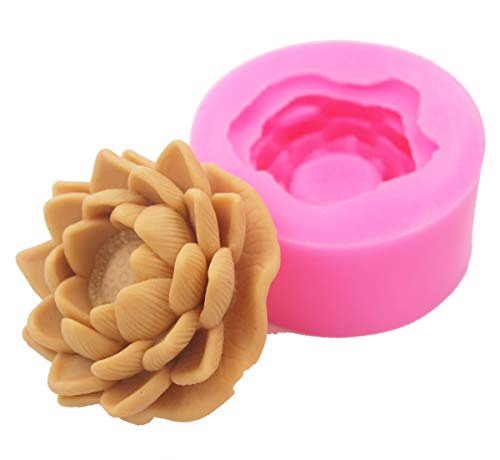
The most critical decision when selecting a candy mold is the material. Most high-quality molds fall into two categories: food-grade silicone and hard plastic. Silicone is the gold standard for home enthusiasts and professionals alike because of its non-stick properties and flexibility. A high-quality silicone mold will allow you to 'pop' the candy out by gently peeling the sides, which is essential for intricate geometric patterns or delicate floral shapes. Look for platinum-cured silicone, as it is more stable, resists odors, and maintains its shape better over repeated uses. Hard plastic molds, while excellent for high-definition detail and mass production, often require a release agent (like cocoa butter or oil) to prevent the candy from sticking, which can add an extra step to your workflow.
Detail Precision and Complexity
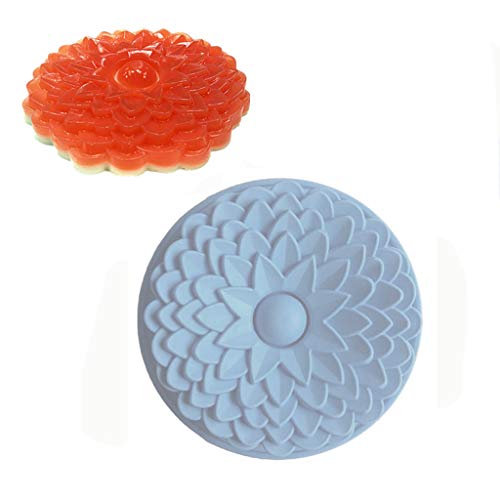
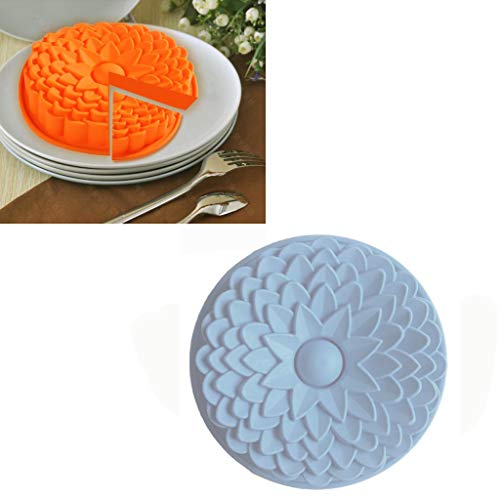
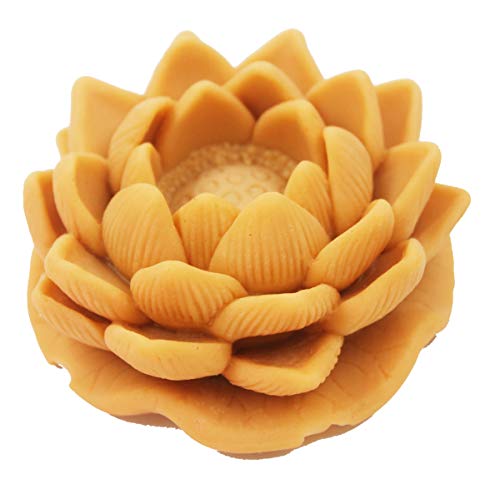
Longzang molds are often sought after for their ability to capture minute details. When evaluating a mold, inspect the depth and the sharpness of the interior edges. If you are making chocolates with embossed patterns, the mold must have high definition to ensure the design transfers perfectly to the tempered chocolate. For gummy candies, which are more viscous, avoid molds with excessively narrow crevices that might trap air bubbles. A good rule of thumb is to check the 'wall thickness' of the mold. If the silicone is too thin, the mold may warp under the weight of the mixture or when being handled, leading to uneven candy thickness.
Ease of Cleaning and Food Safety
Candy making can be a messy endeavor, especially when working with melted sugar or fats. Prioritize molds that are dishwasher safe, though hand-washing is generally recommended to extend the life of silicone. Ensure that any mold you purchase is explicitly labeled as BPA-free and food-grade. Because candy molds are often used with hot liquids (like melted chocolate or boiling sugar syrup), the material must be heat-resistant. Check the temperature range specifications. A mold that can withstand temperatures up to 450°F is ideal, providing you with the versatility to use it for both cold confectionery and warm baking applications.
Size and Capacity Considerations
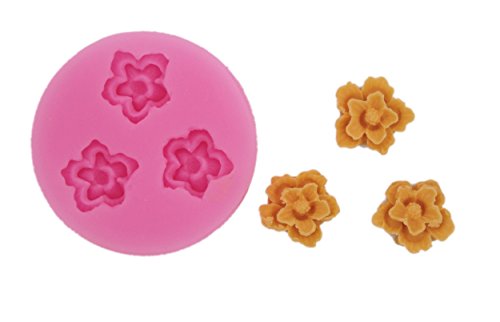
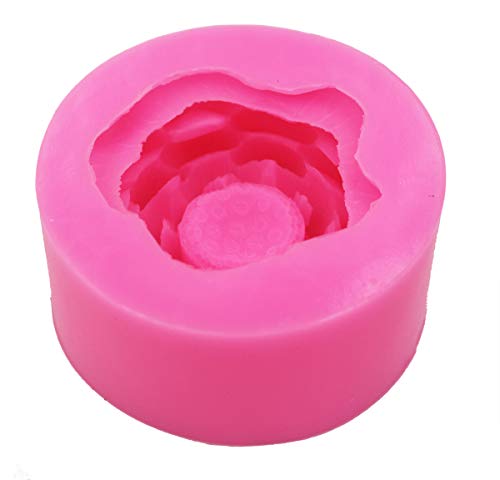
Before purchasing, consider your production volume. Small, single-cavity molds are excellent for testing new recipes or creating highly specialized artisanal pieces. However, if you are preparing gifts or hosting an event, multi-cavity trays are far more efficient. Pay attention to the individual cavity size. A mold with large cavities will yield substantial treats, while smaller, micro-molds are better suited for decorative garnishes or 'bite-sized' luxury chocolates. Matching the mold size to your intended use will prevent wasted ingredients and ensure a professional presentation.