Understanding Pad Compound Chemistry
The heart of any brake kit is the friction material used in the pads. Power Stop offers several distinct tiers that cater to different needs. For those seeking a quiet, low-dust experience for a commuter sedan, ceramic pads are the gold standard. They operate at lower temperatures and won't coat your wheels in black soot. However, if you drive a heavy truck or a performance vehicle that sees high-speed deceleration, you should look toward semi-metallic compounds. These offer higher thermal stability and better 'bite,' though they may produce more noise and dust. The key decision factor here is your heat threshold: if you frequently descend mountain passes or tow trailers, the higher heat resistance of semi-metallic or specialized carbon-fiber blends is non-negotiable.
Rotors: Drilled, Slotted, or Blank?
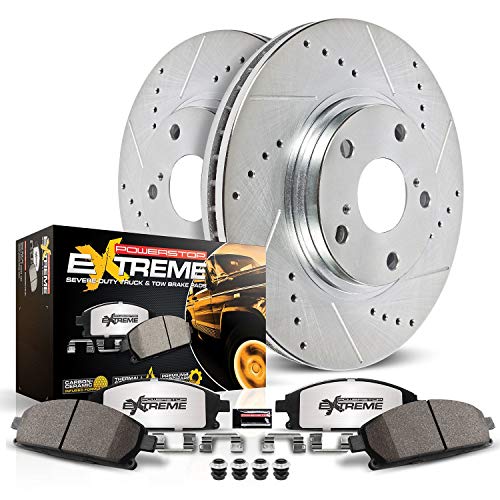
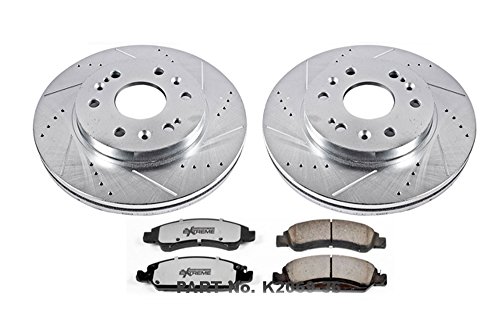
The rotor design dictates how heat and gas are managed during braking. A 'blank' or smooth rotor is perfectly adequate for standard street driving and provides the most surface area for consistent contact. However, many Power Stop kits feature drilled or slotted rotors. Drilled rotors feature holes that help dissipate heat and vent gases, which is excellent for preventing brake fade during spirited driving. Slotted rotors, on the other hand, use grooves to 'sweep' the pad surface, cleaning off debris and gases to maintain a consistent friction coefficient. For heavy-duty applications, look for kits that feature high-carbon rotors. These are manufactured to resist warping and thermal cracking under extreme stress.
Matching the Kit to Your Driving Profile
To make an informed purchase, you must categorize your driving style into one of three profiles:
- The Daily Commuter: Focus on comfort. Look for kits that prioritize low noise (NVH - Noise, Vibration, Harshness) and low dust. Ceramic pads paired with high-quality blank rotors will keep your car feeling smooth and your wheels looking clean.
- The Performance Enthusiast: Focus on responsiveness. You want kits that include drilled and slotted rotors to manage the heat generated by aggressive cornering and rapid deceleration.
- The Towing/Heavy Duty User: Focus on thermal capacity. You need kits with heavy-duty semi-metallic pads and reinforced rotors designed to handle the massive kinetic energy of a loaded vehicle without fading.
Hardware and Compatibility Factors
A common mistake is overlooking the small details. Ensure your chosen kit includes all necessary hardware, such as stainless steel clips and shim kits. These components are vital for preventing the 'squeal' that often plagues aftermarket installs. Furthermore, always verify that the kit is specifically engineered for your vehicle's weight class. A kit designed for a compact car will fail catastrophically if installed on a full-size SUV, regardless of how high the 'performance' rating of the pads may be. Always prioritize kits that offer a complete solution, ensuring the rotor and pad pairing has been tested for thermal harmony.