Verify Compatibility and Fitment Precision
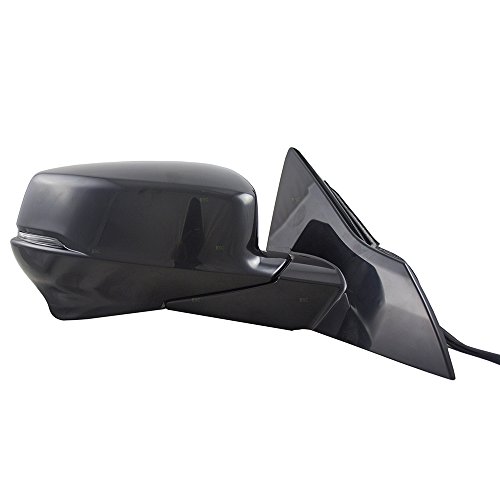
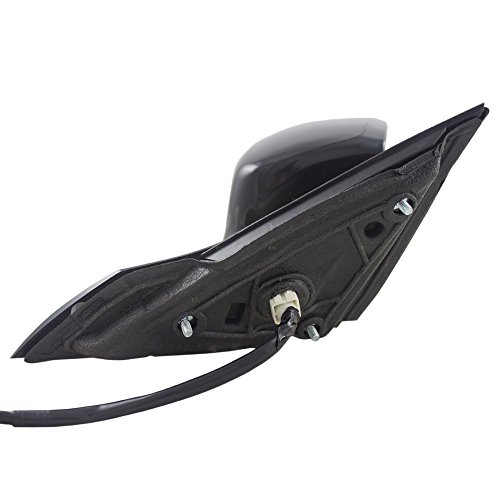
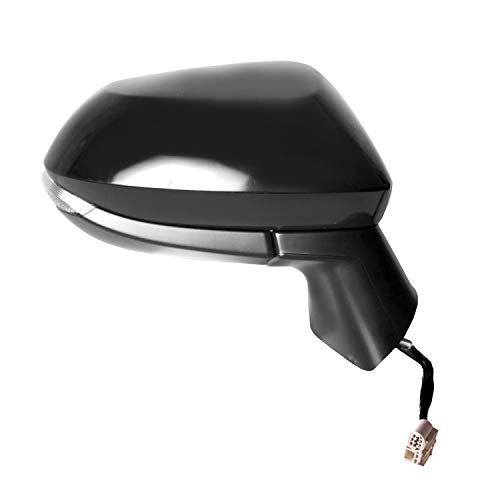
The most common mistake in purchasing exterior mirrors is overlooking the granular details of vehicle compatibility. A mirror that looks identical to your current one may still be incompatible due to subtle differences in mounting bracket geometry or electrical pin configurations. To ensure a seamless fit, you must match the mirror to your specific trim level and sub-model. For instance, a base model mirror might lack the internal motors required for power adjustments, whereas a premium trim mirror might include integrated turn signals, heating elements, or blind-spot monitoring sensors. Always verify that the mounting base matches your door's attachment points to avoid gaps that can allow wind noise or water intrusion into the cabin.
Understand Functional Features and Integrated Tech
Modern exterior mirrors are no longer simple pieces of glass. They are complex electronic modules. When selecting a replacement, you must decide whether you require a basic manual mirror or a fully integrated power assembly. Key features to consider include:
- Heated Glass: Essential for maintaining visibility in freezing climates by melting frost and fog.
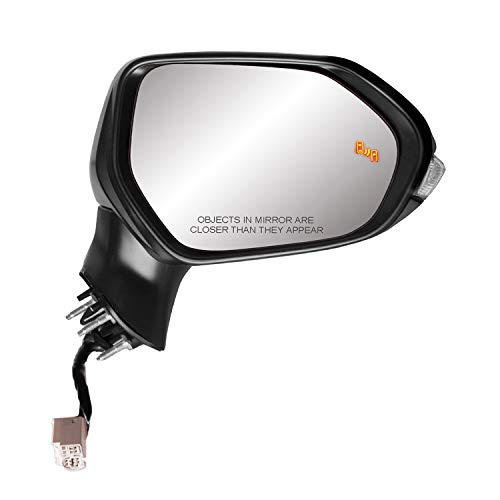
- Integrated Turn Signals: Many modern vehicles have indicators built directly into the mirror housing.
- Blind Spot Detection: If your vehicle is equipped with proximity sensors, your replacement mirror must have the necessary internal hardware to support these systems.
- Auto-Dimming Technology: Some high-end mirrors use electrochromic glass to reduce glare from trailing vehicles.
If you opt for a lower-spec mirror to save money, you may find yourself unable to restore the original safety features of your vehicle, which can impact both safety and resale value.
Glass Quality and Optical Clarity
The quality of the reflective surface is paramount. Low-cost aftermarket mirrors often use inferior glass that can suffer from 'ghosting' or slight distortions, making it difficult to judge the distance of approaching vehicles. Look for mirrors that utilize high-grade, tempered glass. Furthermore, consider the curvature of the lens. Many vehicles use an aspheric lens on the passenger side to widen the field of view and minimize blind spots. Ensure your replacement mirror replicates this specific curvature to maintain the intended safety profile of your car.
Ease of Installation and Housing Durability
When evaluating a mirror, consider the build quality of the plastic housing. The exterior mirror is constantly exposed to UV rays, road salt, and physical debris. A high-quality replacement should feature UV-resistant plastics that won't become brittle or fade over time. Additionally, check if the mirror comes as a 'complete assembly' (including the housing, motor, and glass) or just the glass itself. While buying just the glass is cheaper, a complete assembly is significantly easier to install, as it eliminates the need to pry old glass out of a potentially damaged housing, reducing the risk of breaking the mounting clips during the process.