Understand the Coating Hierarchy
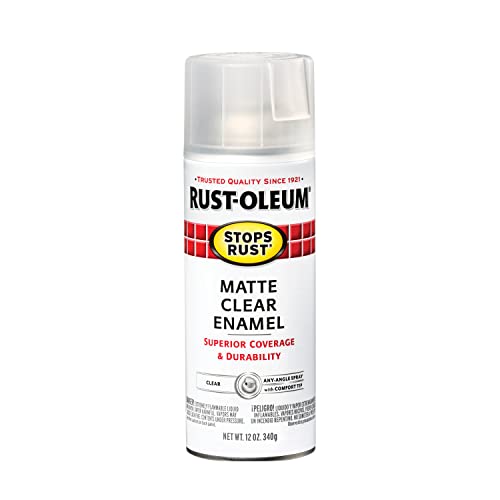
A common mistake among beginners is attempting to achieve a final look with a single type of spray. Professional automotive results require a multi-stage system. When browsing the selection, you should look for products categorized by their specific function: primers, basecoats, and clearcoats. A high-quality primer is essential for creating a 'tooth' that allows the paint to grip the metal or plastic. Following this, the basecoat provides the actual pigment and color. Finally, the clearcoat is the most critical component for automotive use. It provides the gloss, protects the color from oxidation, and shields the surface from gasoline spills and road debris. Never skip the clearcoat if you intend for the work to last more than a few months.
Surface Compatibility and Substrate Type
Not all automotive surfaces are created equal. If you are painting a metal bumper, you need a formula that prevents oxidation. If you are working on plastic trim or mirrors, you must look for specialized 'Plastic Primer' or formulations explicitly labeled for non-porous synthetic surfaces. Using a standard metal-specific paint on plastic often leads to delamination, where the paint flakes off in large sheets because it cannot bond with the material's molecular structure. Always check the label to ensure the chemistry matches your specific substrate.
Durability and Environmental Resistance
Automotive environments are harsh. Your vehicle is subjected to intense UV radiation from the sun, temperature fluctuations, and chemical exposure from road salt and oils. When choosing a paint, look for 'High Gloss' or 'UV-Resistant' designations. If you are painting parts that will be exposed to the elements, such as wheel wells or exterior trim, prioritize durability over sheer aesthetic shine. For high-traffic areas like rims, seek out coatings that boast high scratch and chip resistance to withstand the impact of small stones and debris.
Application Method and Spray Pattern
The quality of your finish is heavily dependent on the delivery system of the can. Some professional-grade automotive sprays feature specialized nozzles designed to provide a finer, more consistent mist, which helps prevent 'orange peel'—that bumpy, textured look that plagues amateur jobs. When evaluating your options, consider whether the product is designed for thin, even layering. It is always better to choose a paint that encourages multiple light coats rather than one heavy, dripping coat. A paint that flows easily and dries quickly is generally preferred, as it allows you to build up layers without the risk of solvent entrapment or sagging.
Recommendation Logic: Matching the Project to the Product
To make the right decision, categorize your project first. For minor scratches on a door, a specialized touch-up pen or a small aerosol with a precision nozzle is sufficient. For a full wheel restoration, invest in a heavy-duty enamel designed for high-impact areas. For aesthetic trim pieces, look for a matte or satin finish that mimics factory-standard plastics. By matching the technical specifications of the paint—specifically its adhesion properties and hardness—to the physical demands of the vehicle part, you ensure a finish that looks professional and stands the test of time.