Matching Color Accuracy and Finish
The most critical factor in selecting a touch-up spray is color matching. Automotive paint is not universal. Even within the same year and make, different manufacturers use unique pigment blends. When shopping, look for products that offer specific color coding based on the manufacturer's original paint code. This code is typically found on a sticker inside the driver-side door jamb or under the hood. Beyond the base color, you must consider the finish. If your car has a metallic or pearl effect, a standard solid color spray will look flat and dull. You will need a multi-stage system that includes a base coat with metallic flakes and a high-gloss clear coat to replicate the depth and shimmer of the original factory finish.
Understanding the Delivery System
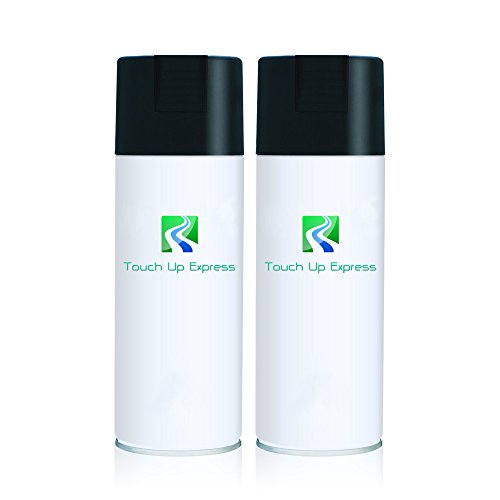
Touch-up express paints generally come in two formats: aerosol cans for larger areas and precision spray pens or small bottles for micro-scratches. If you are repairing a large area, such as a scraped bumper or a door edge, a high-pressure aerosol can is superior because it allows for a more even, wide-pattern distribution that prevents 'pooling' or thick drips. For tiny stone chips, a precision applicator is better to avoid overspray on surrounding panels. Check the nozzle design of the aerosol. Some premium brands offer adjustable spray patterns that allow you to toggle between a wide mist for blending and a concentrated stream for targeted application.
Durability and Chemical Resistance
A car's exterior is a hostile environment. Your chosen paint must be able to survive car washes, road salt, gasoline splashes, and intense sunlight. When evaluating products, look for mentions of 'UV inhibitors' in the description. These additives prevent the new paint from fading or turning yellow over time. Furthermore, ensure the product includes or is compatible with a dedicated automotive clear coat. The clear coat is the sacrificial layer that provides the scratch resistance and the high-gloss shine. A touch-up paint that lacks a robust clear coat component will likely peel or dull within a few months of exposure to the elements.
Ease of Application and Drying Time
For the DIYer, the 'express' aspect of the product is vital. Look for fast-drying formulas that reduce the risk of dust particles settling into the wet paint. A product that dries too slowly can lead to sagging, where the paint runs down the side of the vehicle due to gravity. Additionally, consider the compatibility of the paint with existing finishes. Some high-end touch-up kits are designed to be 'self-leveling,' meaning the paint flows smoothly to fill the scratch and flattens out naturally, minimizing the need for extensive sanding and buffing after the paint has cured.
Recommendation Logic
When making your final decision, follow this hierarchy: First, prioritize color code accuracy above all else. Second, choose a multi-stage kit (Base + Clear) if your vehicle has a metallic or pearlescent finish. Third, select an aerosol format for any damage larger than a fingernail to ensure a professional blend. If you are working on a budget, focus on getting the color right first. A slightly cheaper brand with a perfect color match will always look better than an expensive brand that is the wrong shade of silver.