Prioritize Volume and Capacity
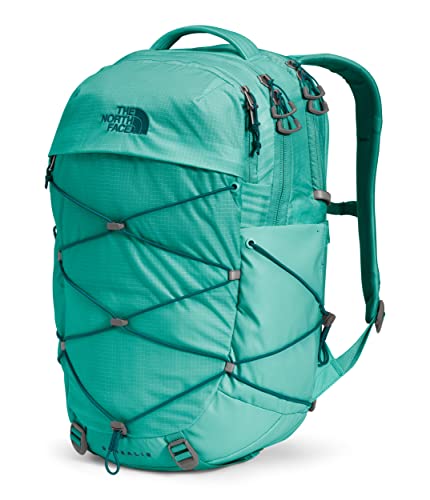
The first decision you must make is how much space you actually need. Casual daypacks typically fall into three volume tiers. Small packs, usually under 20 liters, are ideal for minimalist commuters who only need to carry a tablet, a light sweater, and a water bottle. Mid-range packs, sitting between 22 and 28 liters, are the 'sweet spot' for most users; they offer enough room for a laptop, notebooks, a lunch container, and extra layers. If you tend to carry more gear—such as gym clothes or a larger tech kit—look toward the higher end of the spectrum. Always consider the 'bulk factor'; a larger capacity pack is great for utility, but it may feel cumbersome in crowded subways or tight lecture halls if it exceeds your body's natural proportions.
Evaluate Organization and Tech Protection
A premium casual daypack should do more than just act as a fabric sack. Since many users utilize these packs for work or school, the internal organization is a critical decision factor. Look for dedicated, padded compartments specifically designed to suspend a laptop or tablet. A high-quality design will ensure your device doesn't hit the ground when you set the bag down. Beyond tech, pay attention to the 'small goods' organization. Look for zippered mesh pockets, internal organizers for pens and chargers, and quick-access external pockets for items like keys, transit cards, or sunglasses. The goal is to minimize the time you spend digging through the main compartment for a single item.
Comfort and Ergonomics for All-Day Wear
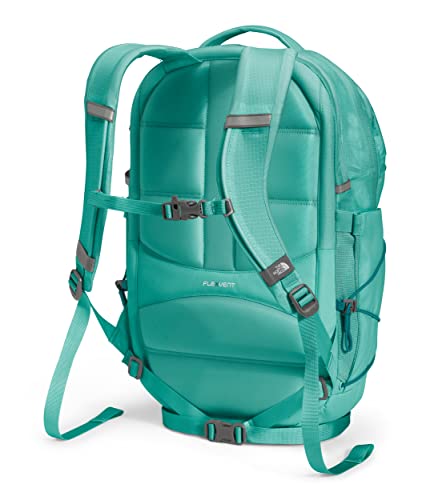
Even if you aren't climbing mountains, a poorly designed shoulder strap can lead to fatigue and discomfort. The North Face is known for its ergonomic strap designs, but you should specifically look for contoured or S-curve straps that follow the natural shape of your torso. If you plan on walking long distances, check for a padded back panel that promotes airflow; this prevents the 'sweaty back' phenomenon common with cheaper, flat-panel bags. Additionally, consider the presence of a sternum strap. While often associated with hiking, a lightweight sternum strap on a casual daypack helps stabilize the load and distributes weight more evenly across your chest, preventing the pack from swaying while you walk.
Material Durability and Weather Resistance
Casual daypacks face a unique set of stresses: being tossed onto cafe floors, shoved under bus seats, and exposed to unexpected rain. Look for high-denier nylon or polyester fabrics that offer abrasion resistance. While most casual packs are not fully waterproof, you should look for 'water-resistant' finishes or DWR (Durable Water Repellent) coatings. This provides a crucial layer of protection against light drizzle or accidental spills. If you live in a climate with frequent heavy rain, prioritize models that feature more robust zippers or integrated rain covers to ensure your electronics remain dry.
The Recommendation Logic
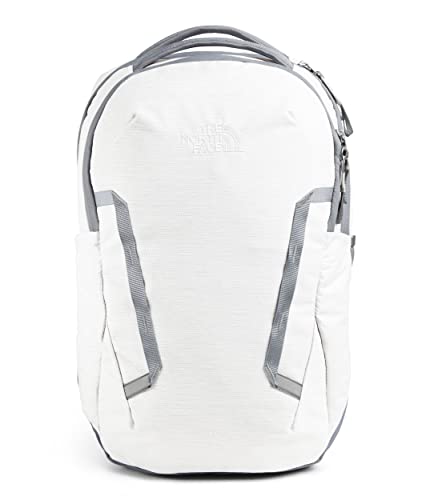
To make your final choice, match the pack to your primary lifestyle persona. For the Urban Commuter, prioritize sleek silhouettes, slim profiles, and high-end laptop protection. For the Student, focus on volume and internal organization to manage heavy textbooks and tech. For the Weekend Adventurer, look for the hybrid models that offer more robust back ventilation and water-resistant materials, ensuring your pack can handle a sudden change in terrain or weather.