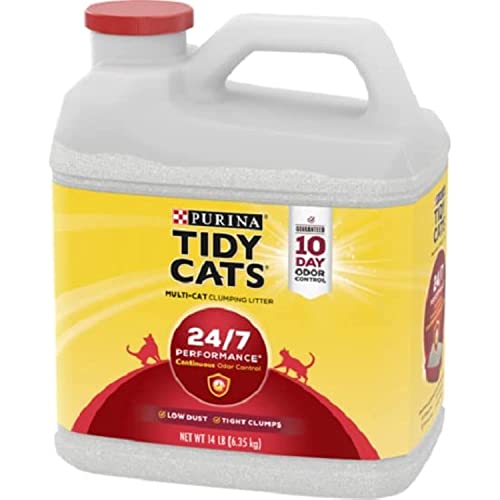
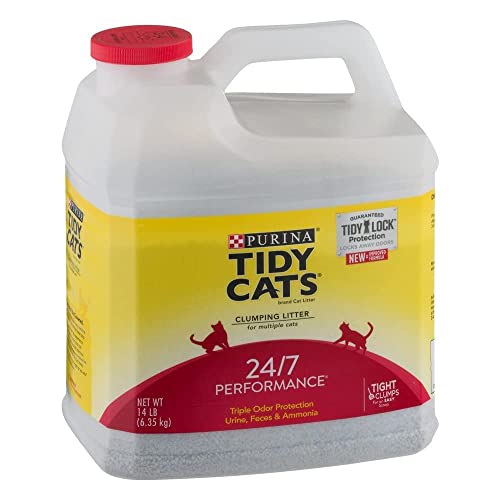
The first major decision point in your selection process is the physical behavior of the litter when it meets moisture. Purina offers high-performance clumping varieties that are engineered to bind immediately upon contact with liquid. This is vital for owners who prefer to scoop daily, as tight clumps prevent the rest of the litter box from becoming contaminated by urine. Non-clumping options, while often more budget-friendly, tend to require more frequent complete changes because moisture spreads through the entire substrate. If you prioritize hygiene and ease of maintenance, a high-quality clumping formula is almost always the superior investment.
Odor Control Technologies and Scent Profiles
Cat litter is ultimately a tool for odor management. Purina utilizes various odor-neutralizing technologies, often incorporating specialized minerals or subtle fragrances to mask the sharp scent of ammonia. When selecting a product, consider your own sensitivity to perfumes. Some users prefer 'unscented' versions that rely purely on chemical neutralization, while others find that a light, fresh scent helps mask the litter box area in open-concept homes. Be wary of overly heavy scents, as cats have a sense of smell significantly more acute than humans. A scent that smells 'clean' to you might be overwhelming and stressful for your pet.
Dust Levels and Respiratory Health
One of the most overlooked aspects of litter selection is particulate matter. Low-dust formulas are not just a convenience for cleaning. They are a health necessity. Cats spend a significant amount of time with their noses close to the litter, and inhaling fine dust can lead to chronic respiratory irritation or feline asthma. Look for products that specify low-dust or dust-free manufacturing processes. This ensures that when your cat digs or scratches, you aren't dealing with a cloud of fine particles settling on your furniture and, more importantly, in your pet's lungs.
Texture and Paw Sensitivity
The tactile experience of the litter matters as much to the cat as it does to the owner. Some cats are highly selective and may refuse to use a litter box if the texture feels too coarse or abrasive on their paw pads. Purina offers various grain sizes, ranging from fine sands to larger granules. If you have a senior cat or a breed known for being fastidious, a softer, finer texture is often more inviting. Conversely, larger granules can sometimes offer better moisture absorption and less tracking (the tendency for litter to stick to paws and travel throughout the house).
Decision Logic: Matching Litter to Lifestyle
To make the final selection, use the following logic: If you have a single cat and a small litter box, prioritize maximum clumping strength and odor neutralization. If you manage a multi-cat household, focus on high-capacity bags and formulations that prevent 'tracking' to keep the house clean. If your cat has known sensitivities, bypass scented options entirely and focus on the 'low-dust' certification. By aligning the specific technical benefits of the litter with your cat's biological needs and your home's cleanliness requirements, you ensure a sustainable and sanitary environment.