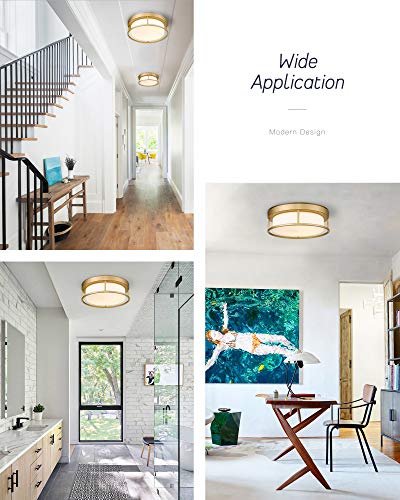
Understanding Light Distribution and Fixture Types
The first step in your selection process is determining how much light you actually need and how it should be spread across the space. Ceiling lights generally fall into three functional categories: flush mounts, semi-flush mounts, and chandeliers. Flush mounts are ideal for rooms with lower ceilings, such as hallways, bathrooms, or small bedrooms, as they sit tight against the ceiling and prevent a cramped feeling. Semi-flush mounts offer a middle ground, providing a bit of decorative depth while still maintaining a low profile. If you are looking to make a statement in a dining room or a grand entryway, a chandelier-style fixture provides downward and upward light, creating a much more layered and dramatic atmosphere.
Materiality and Finish Consistency
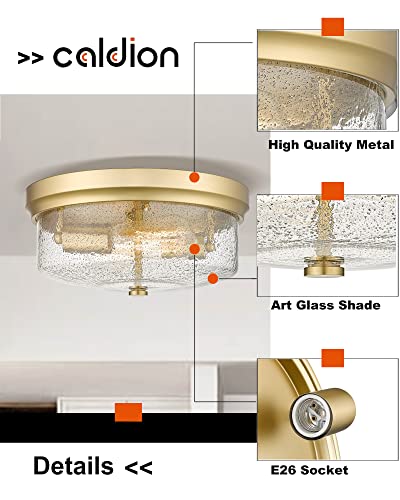
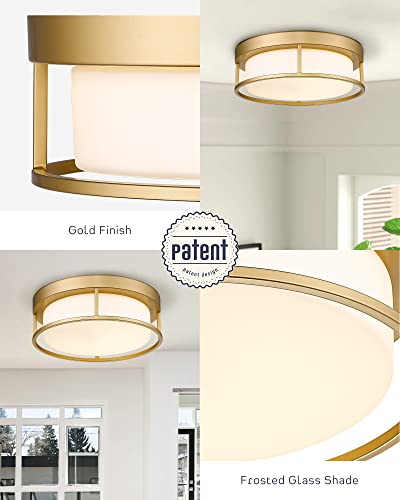
Savoy House-style lighting often emphasizes high-quality finishes that can withstand the test of time. When browsing, pay close attention to the metalwork. Brushed nickel, matte black, and aged brass are popular choices that dictate the 'era' of your room. If you are designing a cohesive home, try to match the finish of your ceiling fixtures with your door hardware and cabinet pulls. Beyond the metal, consider the shade material. Glass globes offer a clean, diffused light that works well in kitchens, while fabric shades can provide a softer, warmer glow more suitable for living areas. Ensure the glass is high-clarity to avoid distorted shadows when the light is switched on.
Scale, Proportion, and Ceiling Height
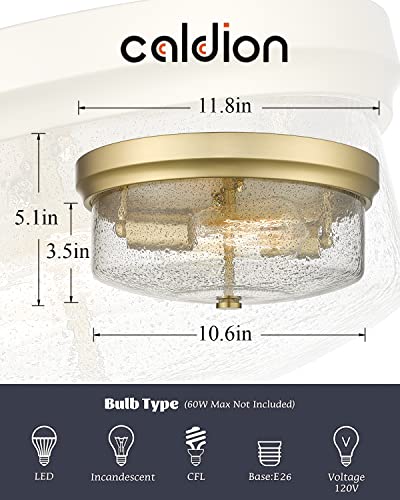
One of the most common mistakes in lighting design is choosing a fixture that is either too diminutive or overwhelmingly large for the room. A small light in a large room looks like an afterthought, while a massive fixture in a tight space feels claustrophobic. A good rule of thumb is to measure the room's dimensions to determine the diameter of the fixture. Additionally, consider your ceiling height. In rooms with standard 8-foot ceilings, stick to flush or semi-flush designs to maintain head clearance. For vaulted or high ceilings, you have the luxury of using hanging pendants or multi-tier fixtures that draw the eye upward and fill the vertical void.
Technical Specifications: Lumens and Color Temperature
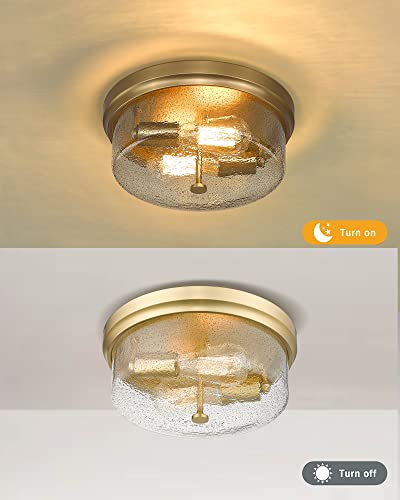
The aesthetic of a fixture is only half the battle. The actual light output determines the mood. Look for fixtures that are compatible with dimmable LED bulbs. This allows you to transition from bright, functional task lighting during the day to a soft, ambient glow in the evening. When selecting bulbs, pay attention to the Kelvin scale. For a cozy, inviting atmosphere in a bedroom or lounge, aim for 'warm white' (around 2700K to 3000K). For task-oriented areas like a laundry room or a workspace, a 'cool white' or 'daylight' temperature (4000K+) will provide better visibility and clarity.
Maintenance and Installation Considerations
Finally, consider the ease of cleaning and the complexity of installation. Glass-heavy fixtures look stunning but require regular dusting and wiping to prevent streaks. If you have children or pets, avoid fixtures with delicate, protruding crystal elements that could be easily damaged. From an installation standpoint, ensure the fixture's weight is compatible with your existing ceiling junction box, especially if you are opting for a heavier, more ornate metal centerpiece.