#TOP1

Introducing children to the world of computing and digital literacy is no longer just about teaching them how to use a mouse. It is about fostering computational thinking, logic, and creativity. Children's technology books serve as the bridge between passive screen consumption and active digital creation. Whether you are looking for a foundational guide to coding, a deep dive into how hardware works, or an engaging narrative about the history of internet pioneers, selecting the right book requires balancing technical accuracy with age-appropriate pedagogy. This guide is designed to help parents and educators navigate the diverse landscape of STEM literature to find resources that spark lifelong curiosity rather than frustration.
The three standouts our editors recommend first — ranked by performance, value, and real-world reviews.


Computer Decoder: Dorothy Vaughan, Computer Scientist (Picture Book Biography)
| SELLER | SELLER SCORE | AMAZON FULFILLED | PRIME | FREE SHIPPING |
|---|---|---|---|---|
| Amazon.com | 9.68 | Yes | Yes | Yes |
Most children's biographies settle for surface-level facts, but this Nomad Press title dives deep into the actual brilliance of a mathematical pioneer. Dorothy Vaughan, Computer Scientist isn't just another story. It is an essential window into the life of a woman who decoded the complexities of early computing. As a picture book biography, it manages to balance historical significance with an engaging narrative style that keeps young readers hooked. I found the storytelling to be particularly effective at making high-level concepts accessible without stripping away the gravity of her achievements. At under ten dollars, it serves as an affordable yet profound tool for sparking interest in STEM and history simultaneously.


Oh, No ... Hacked Again!: A Story About Online Safety
| SELLER | SELLER SCORE | AMAZON FULFILLED | PRIME | FREE SHIPPING |
|---|---|---|---|---|
| Amazon.com | 9.68 | Yes | Yes | Yes |
A sudden sense of digital vulnerability is the core theme of this engaging children's book. Splins has crafted a narrative that tackles the intimidating world of cybersecurity through a lens that is actually digestible for younger readers. Instead of dry technical manuals, this story uses a relatable plot to illustrate the importance of online safety. It is the kind of resource parents reach for when they realize their kids are spending more time on tablets and need a gentle, story-driven introduction to digital boundaries. At a price point, it serves as a practical tool for modern families trying to navigate the complexities of the internet safely.
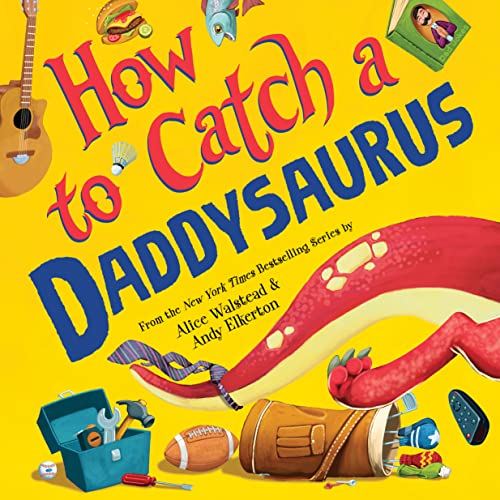


How to Catch a Daddysaurus
| SELLER | SELLER SCORE | AMAZON FULFILLED | PRIME | FREE SHIPPING |
|---|---|---|---|---|
| Amazon.com | 9.68 | Yes | Yes | Yes |
Bedtime becomes a much more playful adventure when you pull How to Catch a Daddysaurus from the bookshelf. Instead of the usual struggle to settle down, this story introduces a whimsical concept that immediately captures a child's imagination. At just under eight dollars, it serves as an affordable way to inject some humor into your nightly reading routine. The title alone promises a sense of mischief and fun that keeps little ones engaged from the first page to the last. It is a charming addition to any toddler's library, especially for parents looking to bond through laughter rather than just quiet instruction. While it is a simple read, the imaginative premise makes it a standout choice for quick, engaging storytelling sessions.

Hello World!: A complete Python-based computer programming tutorial with fun illustrations, examples, and hand-on exercises.
| SELLER | SELLER SCORE | AMAZON FULFILLED | PRIME | FREE SHIPPING |
|---|---|---|---|---|
| Amazon.com | 9.68 | Yes | Yes | Yes |
Most programming manuals feel like reading a dry technical manual, but Hello World! breaks that mold by treating code like a creative journey. Manning Publications has crafted something that feels less like a lecture and more like a guided workshop. Instead of overwhelming you with dense blocks of syntax, this tutorial uses fun illustrations to bridge the gap between abstract logic and practical application. I found the hands-on exercises particularly effective because they force you to actually type out the code rather than just passively observing the examples. It is a refreshing approach for anyone trying to demystify Python without the typical academic fatigue. Whether you are a complete novice or just looking for a more visual way to learn, this book makes the initial hurdles of computer programming feel surprisingly approachable.

Mitzi and the Big Bad Nosy Wolf: A Digital Citizenship Story
| SELLER | SELLER SCORE | AMAZON FULFILLED | PRIME | FREE SHIPPING |
|---|---|---|---|---|
| Amazon.com | 9.68 | Yes | Yes | Yes |
Modern parents and educators desperately need a relatable way to explain internet safety without sounding like a lecture. Mitzi and the Big Bad Nosy Wolf approaches the complex topic of digital citizenship through a narrative lens that actually captures a child's imagination. Instead of just listing rules, this story uses a character-driven plot to navigate the nuances of online behavior and privacy. It serves as a practical tool for starting much-needed conversations about how kids interact with the digital world. It is a smart, timely addition to any classroom library or home reading nook for those looking to bridge the gap between technology and safety.

Parenting in the Age of Attention Snatchers: A Step-by-Step Guide to Balancing Your Child's Use of Technology
| SELLER | SELLER SCORE | AMAZON FULFILLED | PRIME | FREE SHIPPING |
|---|---|---|---|---|
| Amazon.com | 9.68 | Yes | Yes | Yes |
Your child is staring blankly at a tablet screen while the dinner you spent an hour preparing grows cold on the table. This specific brand of modern parental guilt is exactly what Shambhala aims to address in Parenting in the Age of Attention Snatchers. Rather than preaching a total digital blackout, this guide offers a pragmatic, step-by-step roadmap for navigating the constant tug-of-war between screen time and real-world connection. I found the approach refreshing because it treats technology as a tool to be managed rather than an enemy to be defeated. It provides actionable strategies that help you reclaim your family's focus without turning every device into a battlefield. It is a vital resource for any parent feeling overwhelmed by the digital noise.

How are Movies Made? Technology Book for Kids Children's Computers & Technology Books
| SELLER | SELLER SCORE | AMAZON FULFILLED | PRIME | FREE SHIPPING |
|---|---|---|---|---|
| Amazon.com | 9.68 | Yes | Yes | Yes |
How are Movies Made? by Baby Professor is a fascinating deep dive into the cinematic process designed specifically for young, tech-curious minds. Instead of just watching the screen, this book invites children to peek behind the curtain to understand the complex machinery and computer technology that brings stories to life. It bridges the gap between entertainment and education, making the intimidating world of film production feel accessible and exciting. For any kid who constantly asks how special effects work or how cameras capture magic, this title serves as an engaging introductory guide. It turns passive viewers into informed enthusiasts by explaining the technical backbone of the film industry in a way that sticks.

The most critical factor in selecting a technology book is ensuring the reading level and conceptual depth align with the child's developmental stage. For early learners (ages 5-7), look for books that focus on 'unplugged' concepts. These books use physical metaphors—like sorting blocks or following recipes—to explain logic and algorithms without requiring a screen. For middle-grade readers (ages 8-12), the focus should shift toward visual programming languages and step-by-step project guides. At this stage, the book should provide immediate gratification through small, achievable wins, such as making a character move on a screen. For teenagers, you can transition into text-based syntax and more abstract computer science theories.
Technology is inherently visual, and the books that teach it effectively should reflect that. Avoid dense walls of text that can intimidate a young reader. Instead, prioritize books that utilize high-quality diagrams, color-coded syntax highlighting, and heavy use of infographics. A good technology book for children should function like a map: the reader should be able to glance at a page and immediately understand the relationship between a piece of code and its visual output. Look for 'call-out' boxes that explain tricky terms in simple language and sidebars that offer 'challenge tasks' to keep the reader engaged.
Decide whether you want a book that teaches the 'how' or the 'why.' Project-based books are excellent for children who are motivated by results. These books walk the reader through building a specific game, website, or robot. They are highly engaging but can sometimes leave gaps in fundamental understanding. Theoretical books, on the other hand, explain the mechanics of the internet, the history of computing, or the logic of binary. For a well-rounded digital education, a combination of both is ideal. If your child is a hands-on learner, start with a project book to build confidence, then supplement it with a theory-based book to deepen their comprehension.
Modern technology books should do more than teach technical skills. They should cultivate digital citizenship. When browsing, look for titles that include sections on internet safety, privacy, and the ethical implications of artificial intelligence or social media. A high-quality contemporary technology book doesn't just teach a child how to build a tool. It teaches them how to use that tool responsibly within a global community.
Quick answers about Childrens Computers Technology Books before you buy.
Share of top-ranked products by brand, from our editorial analysis.
We've carried out a comprehensive analysis of 486 reviews on Childrens Computers Technology Books, using our selection criteria to identify the best options in the children's books. Our findings reveal that most customers typically select Childrens Computers Technology Books priced around $16.81, with top brands including sourcebooks wonderland, celebrate your father and son bond with this heartwarming picture book!, new paige press, nomad press (vt), baby professor, shambhala and splins and manning publications.
Our team of expert editors reviewed these high-quality items and handpicked the top 7 Childrens Computers Technology Books for your consideration. We've also done extensive research on numerous sellers, identifying the best ones in the children's books category — including and amazon.com.
We are dedicated to assisting our users in finding the right books Products based on their needs, saving them considerable time when choosing which Childrens Computers Technology Books to buy. We take pride in the number of satisfied users we've helped through our thorough and insightful reviews.
Compare the top 7 picks at a glance — select a column to sort.


