Material Composition and Durability
The primary decision in choosing a clawfoot tub is the material. Traditional high-end models often utilize cast iron coated with a thick layer of porcelain enamel. Cast iron is the gold standard for luxury because of its incredible heat retention. It keeps bathwater warm for significantly longer durations than acrylic alternatives. It is also exceptionally heavy and durable, making it resistant to scratches and chips. However, its weight requires a reinforced floor.
If you are working with a second-story bathroom or a space with structural limitations, high-grade acrylic or lightweight composites are viable alternatives. These materials are easier to install and more affordable, but they lack the thermal mass of iron and can feel less substantial underfoot. When evaluating materials, always consider the 'feel' of the finish—porcelain-coated iron offers a glass-like smoothness that is difficult to replicate in resin.
Dimensions and Ergonomics
A common mistake is selecting a tub based solely on its visual silhouette without considering the actual bathing experience. Clawfoot tubs come in various lengths, typically ranging from 54 inches for compact spaces to over 72 inches for deep soaking. Because clawfoot tubs are often freestanding, you must account for the 'clearance zone'—the space required to walk around the tub and access the faucet.
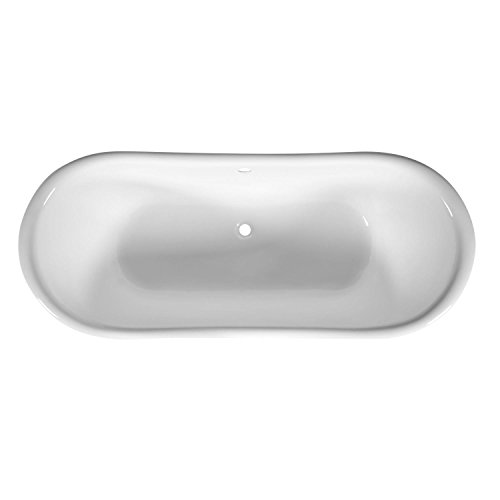
Pay close attention to the depth and the slope of the backrest. A tub designed for 'soaking' will have higher sides and a deeper basin, whereas a 'decorative' clawfoot might be shallower. Look for an ergonomic interior slope that supports your lumbar region. A tub that is too flat will result in a cramped, uncomfortable experience, while one that is too steep may make getting in and out difficult.
Leg Style and Aesthetic Cohesion
The 'claw' in clawfoot tub is what provides the signature silhouette. The legs are a major design element that can shift the entire mood of the room. Ornate, scrolled feet evoke a classic, antique aesthetic suitable for traditional or farmhouse designs. Conversely, more streamlined, tapered, or geometric legs can bridge the gap between vintage charm and contemporary minimalism. Ensure the finish of the tub feet (such as polished nickel, brushed bronze, or matte black) complements your existing hardware, such as towel bars and sink faucets, to create a unified visual language.
Plumbing and Installation Logistics
One of the most overlooked aspects of purchasing a clawfoot tub is the plumbing configuration. Since these tubs are freestanding, you cannot use standard wall-mounted faucets. You will need to budget for a floor-mounted tub filler, which requires professional plumbing to run lines through the floor. Additionally, consider the drain placement. Most clawfoot tubs feature an end-drain or a center-drain configuration. Ensure your floor's plumbing layout aligns with your chosen tub's drain location to avoid expensive retrofitting during installation. Finally, always verify the weight of the tub when filled with water. A cast iron tub can easily exceed 500 pounds, necessitating a structural assessment of your bathroom floor.