Understanding the Kinetic Element
The hallmark of a premium Infinity Instruments clock is movement. Unlike standard quartz wall clocks that rely on a simple ticking hand, many pieces in this category utilize gravity, magnetism, or complex gear trains to create visual interest. When shopping, first determine if you want a 'passive' timepiece—one that provides a steady, reliable reading of time—or an 'active' kinetic sculpture. Active pieces are designed to draw the eye through repetitive, mesmerizing motions. If you choose a kinetic model, consider the 'noise' of the movement. Some high-end mechanical clocks have a rhythmic, soothing cadence, while others are designed to be near-silent. Match the energy of the movement to the room's purpose: a silent, minimalist piece is ideal for a study, whereas a more rhythmic, visible movement can breathe life into a foyer or living area.
Materiality and Build Quality
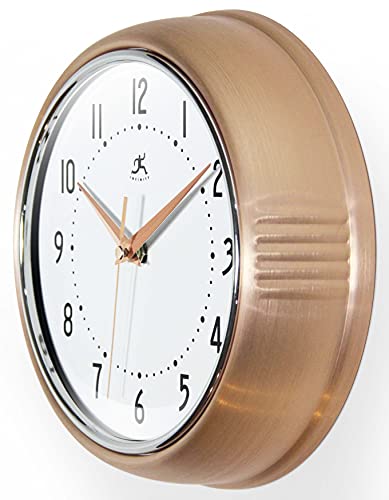
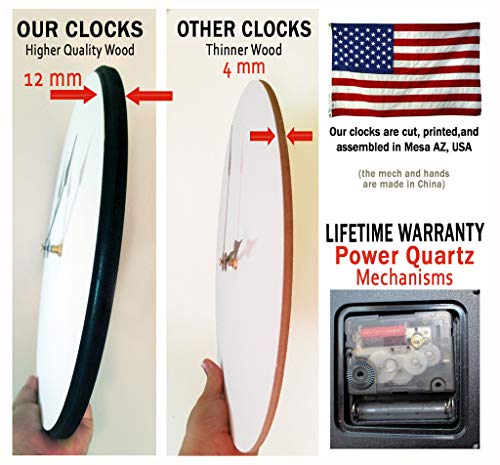
Because these clocks are often treated as luxury decor, the materials used are paramount. You will encounter a variety of finishes, from brushed metals and polished chrome to high-grade woods and glass. Pay close attention to the weight and density of the materials. A clock that feels substantial often indicates better internal dampening and higher-quality components. If you are placing the clock in a room with significant natural light, consider how the reflective surfaces—such as glass or polished steel—will interact with the environment. A highly reflective clock can act as a mirror, adding depth to a room, but it can also create distracting glare if placed directly opposite a window.
Mechanical vs. Battery-Operated Precision
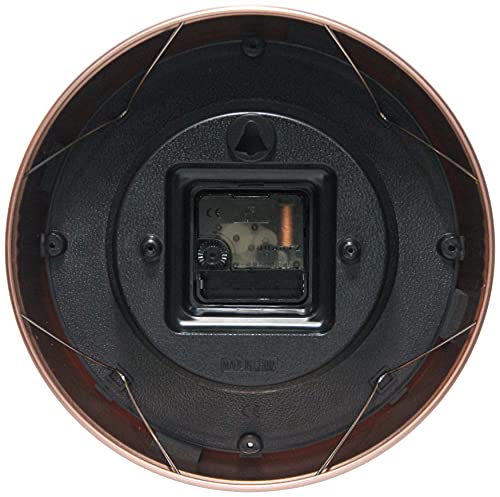
A critical decision factor is the power source and the internal mechanism. Infinity Instruments often provides options that cater to different levels of maintenance. Mechanical or pendulum-driven clocks offer a sense of tradition and craftsmanship that battery-operated models cannot replicate, but they may require occasional winding or calibration to maintain perfect accuracy. On the other hand, high-end quartz movements offer 'set it and forget it' convenience with extreme precision. If you are a collector who appreciates the ritual of horology, lean toward the mechanical. If you need a reliable timekeeper for a high-traffic area where maintenance isn't feasible, a precision quartz movement is the smarter choice.
Scale and Spatial Integration
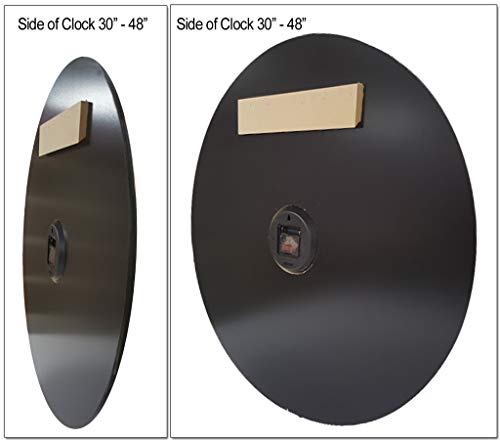
Finally, consider the scale of the clock relative to your wall space. A common mistake is selecting a clock that is either too small, making it look like an afterthought, or too large, making the room feel cluttered. An Infinity Instruments clock is a statement piece. To make it work, treat it like a painting. It needs 'breathing room'—negative space around the edges of the frame—to allow its design and movement to be fully appreciated. Measure your intended mounting surface and consider the height of the viewer. A pendulum clock, in particular, benefits from being hung at eye level to maximize the visual impact of its swing.