Evaluate the Mounting Style: Flush vs. Semi-Flush
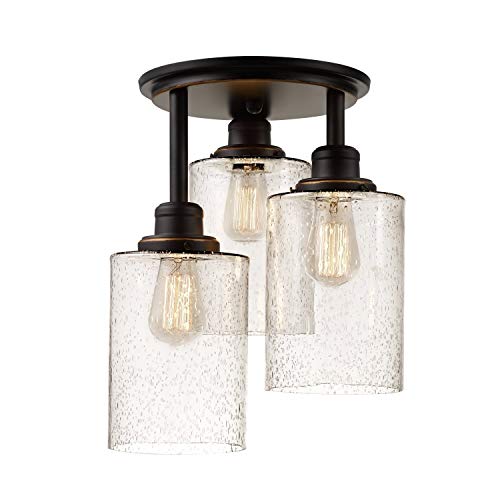
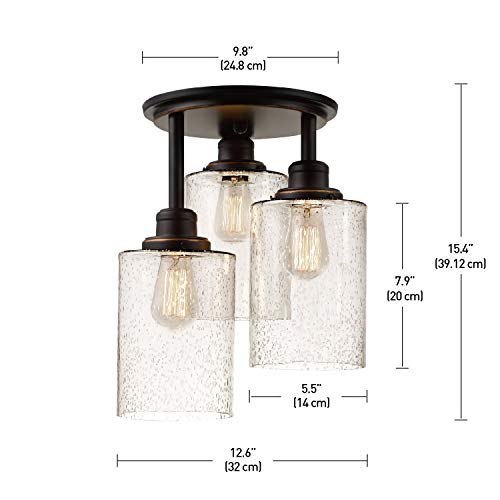
The first decision you must make is how much clearance you actually have. A true flush mount sits directly against the ceiling, making it the ideal choice for extremely low ceilings or narrow corridors where a protruding fixture might be bumped. If you have a few extra inches of clearance, a semi-flush mount is often the superior choice. Semi-flush mounts feature a small stem or gap between the ceiling canopy and the light source, which allows light to escape upward. This creates a softer, more ambient glow and prevents the 'flat' lighting effect that can sometimes occur with tight flush mounts.
Consider Material and Aesthetic Integration
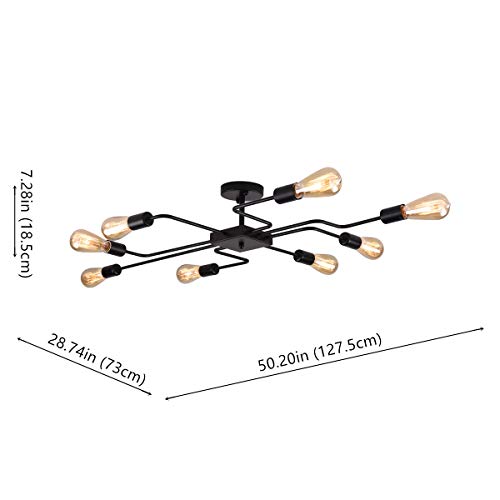
Close-to-ceiling fixtures serve as a focal point for the ceiling itself, so the material choice is critical. For a modern or industrial look, seek out matte black metal finishes or geometric glass enclosures. If you are aiming for a transitional or traditional aesthetic, brushed nickel, brass, or frosted glass shades provide a timeless elegance. Pay close attention to the diffuser—the part that covers the bulb. Etched or frosted glass helps to soften the light and hide the harsh glare of the bulb, whereas clear glass allows you to showcase decorative Edison-style bulbs, which can act as a piece of art in their own right.
Prioritize Light Output and Color Temperature
Because these fixtures are positioned closer to your head and eyes than a hanging chandelier, glare management is paramount. Look for fixtures that utilize diffusers to spread light evenly. When calculating brightness, consider the 'lumen' count rather than just wattage. For a bathroom or entryway, you want bright, functional light. For a bedroom, you want something more subdued. Additionally, consider the color temperature. Warm white tones (around 2700K) are excellent for creating a cozy atmosphere in living areas, while cool white tones (4000K+) are better suited for task-oriented spaces like kitchens or laundry rooms.
Assess Installation Complexity and Dimming Compatibility
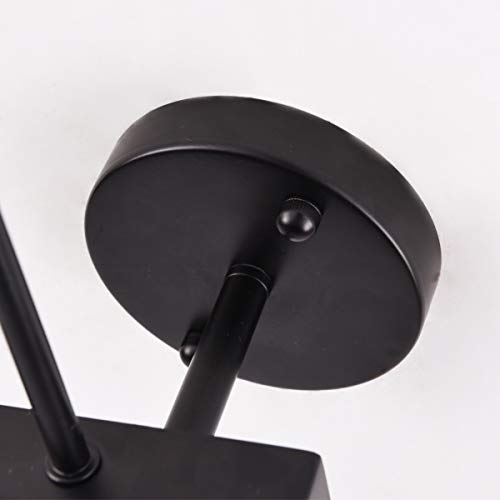
Before purchasing, check if the fixture is dimmable. Since close-to-ceiling lights often provide the primary light source for a small room, having the ability to adjust the intensity is vital for setting the mood. Ensure that the fixture is compatible with LED bulbs if you plan on upgrading for energy efficiency. Furthermore, check the dimensions of the ceiling canopy—the part that attaches to the electrical box. A wider canopy provides a more stable, high-end appearance and helps hide any imperfections in your ceiling paint or drywall during installation.
Final Recommendation Logic
When making your final selection, use this hierarchy: First, confirm the fixture fits your ceiling height (Flush for low, Semi-flush for medium). Second, select a finish that complements your existing hardware (faucets, door handles, etc.). Third, choose a shade material that matches your desired light quality (frosted for soft, clear for decorative). By following this logic, you ensure the fixture is not just a functional light source, but a cohesive part of your interior design.