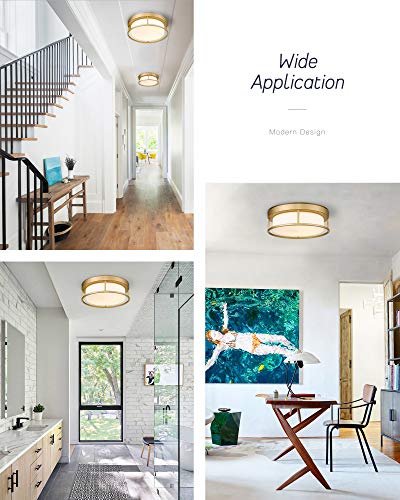
Prioritize the Mounting Style and Ceiling Clearance
The primary reason to choose a close-to-ceiling fixture is to maximize vertical space. However, not all 'close' fixtures are created equal. You must distinguish between true flush mounts, which sit directly against the ceiling, and semi-flush mounts, which feature a short stem or canopy that allows the light to hang slightly below the surface. If you have exceptionally low ceilings, a flush mount is your best bet to prevent a claustrophobic feeling. If you have a bit more breathing room, a semi-flush mount can add architectural depth and allow for better light dispersion against the ceiling, which helps soften shadows in the room.
Evaluate Materiality and Finish Longevity
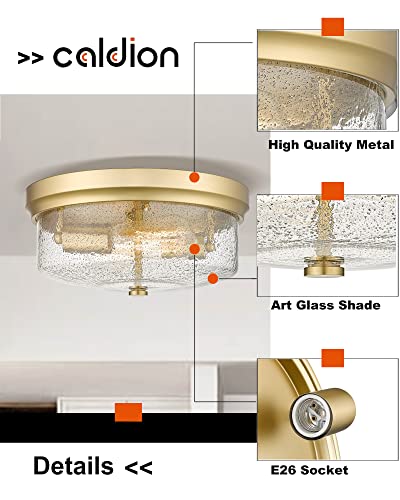
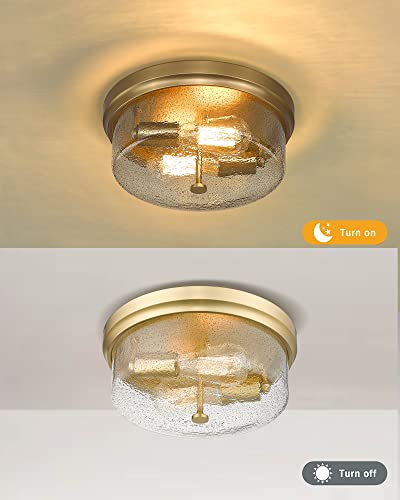
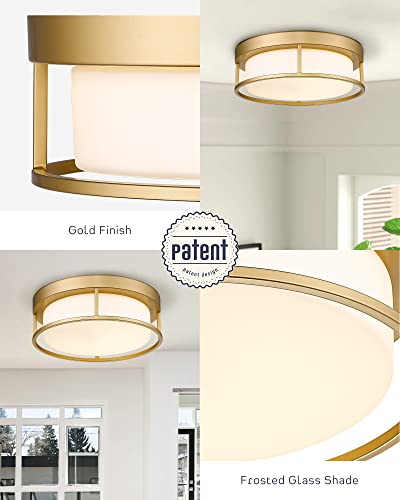
Savoy-style fixtures often lean into classic or transitional aesthetics, meaning the materials used will dictate how well the light ages. Look for high-quality metal finishes such as brushed nickel, oil-rubbed bronze, or matte black. These finishes are more resistant to fingerprints and the subtle tarnishing that occurs in high-humidity areas like bathrooms. If the fixture includes glass elements, check the quality of the glazing. Clear glass provides a modern, crisp look that maximizes brightness, while frosted or seeded glass can diffuse light more softly, creating a warmer, more ambient atmosphere that hides dust and smudges more effectively.
Assess Light Distribution and Lumens
A common mistake in selecting ceiling fixtures is focusing solely on the silhouette while ignoring the light quality. Because these fixtures are positioned closer to the occupants, the direction of the light is critical. An upward-facing semi-flush mount will bounce light off the ceiling, providing indirect, glare-free illumination ideal for living areas. Conversely, a downward-facing fixture acts more like a task light, making it superior for entryways or workspaces. Always consider the lumen output. For a standard bedroom or hallway, you want a fixture that can support a high enough wattage (or LED equivalent) to ensure the room doesn't feel dim once the fixture is installed.
Consider the Ease of Maintenance
Since close-to-ceiling fixtures are often located in high-traffic areas or rooms where dust accumulates quickly, accessibility is a major factor. Avoid designs with overly intricate crystal droplets or complex tiered structures if you are not prepared to climb a ladder frequently for cleaning. Sleek, streamlined designs with smooth glass globes or simple metal cages are significantly easier to wipe down. Furthermore, ensure the fixture is compatible with dimmable LED bulbs, as this allows you to transition the fixture from a bright utility light to a soft evening accent with ease.
Matching the Scale to the Room Dimensions
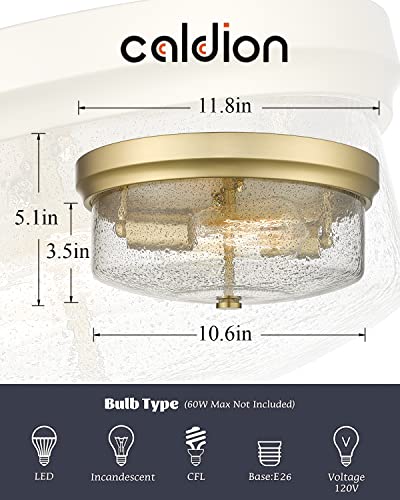
The final decision factor is scale. A fixture that is too small will look lost in a large room, appearing as a mere dot on the ceiling, while a fixture that is too large will make a small powder room feel cramped. A good rule of thumb is to measure the diameter of your room in feet and add those two numbers together. The resulting sum is the ideal diameter in inches for your light fixture. This ensures the Savoy house aesthetic complements your furniture rather than competing with it.