Material Composition and Durability
The most critical decision factor is the substrate material. If your labels are intended for indoor office organization, a standard paper-based label is cost-effective and easy to write on. However, for industrial or outdoor applications, you must prioritize synthetic materials like polyester or vinyl. Polyester labels are highly resistant to chemicals, oils, and moisture, making them ideal for laboratory settings where reagents might spill. If you are labeling electrical components or wires, look for heat-resistant materials that won't shrink or lose adhesion when components warm up during operation. Always consider the environment: a label that works in a climate-controlled warehouse will likely fail in a high-humidity manufacturing plant or a freezing cold storage unit.
Adhesive Strength and Removability
Not all adhesives are created equal, and choosing the wrong one can lead to either permanent damage or premature peeling. For permanent identification—such as marking heavy machinery or fixed storage bins—you require a high-tack, permanent adhesive that bonds aggressively to textured surfaces. Conversely, if you are color-coding files or temporary assets that move frequently, a removable adhesive is essential to prevent residue buildup and surface damage. In specialized fields like healthcare, look for 'clean-removal' options that allow for easy updates without leaving a sticky film on expensive equipment. Always check the compatibility between the adhesive and your specific surface (e.g., powder-coated metal, smooth plastic, or corrugated cardboard).
Color Accuracy and Visual Coding Standards
The utility of a color-coding system relies entirely on consistency. If your facility uses a specific standard—such as ANSI safety colors or ISO color schemes—ensure the labels provide high-saturation, true-to-standard hues. A 'red' label that leans toward orange can cause confusion in critical safety scenarios. Furthermore, consider the contrast levels. If you are printing text on top of the color, ensure the label material allows for high-contrast ink absorption. Some gloss-finish labels are excellent for vibrant colors but can cause ink to smudge if not dried properly. Matte finishes are often better for handwriting with permanent markers.
Size, Shape, and Application Method
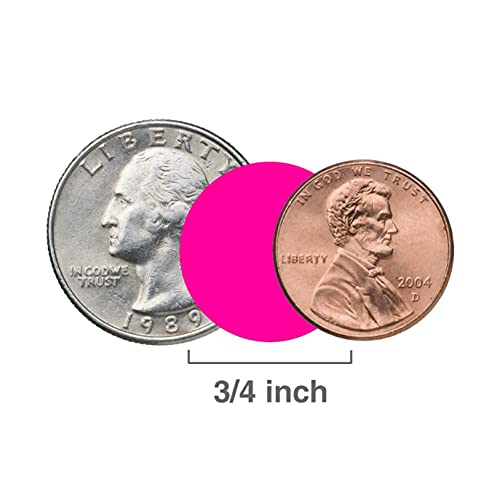
The physical dimensions of the label must match the surface area of the object being marked. For wiring, you will need narrow, wrap-around strips that can withstand the tension of bending. For bulk inventory, large, circular, or rectangular flags are more effective for visibility from a distance. Beyond size, consider how the labels will be applied. Pre-cut sheets are perfect for manual application, but if you are managing high-volume throughput, look for labels compatible with automated dispensing systems or thermal transfer printers to ensure uniform placement and speed.
Summary Recommendation Logic
To make your final selection, follow this logic: Start with the environment (Indoor vs. Harsh/Outdoor). If harsh, move to synthetic materials. Next, determine the lifecycle (Permanent vs. Temporary). This dictates your adhesive choice. Finally, match the specific application (Wire, Bin, or Document) to the label shape and size. By following this hierarchy, you ensure that your color-coding system is not just a visual aid, but a reliable component of your operational workflow.