Mounting and Installation Requirements
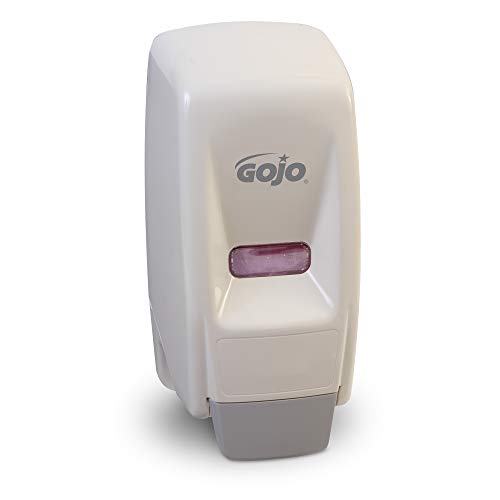
The first decision in selecting a dispenser is determining how it will be integrated into your space. Commercial environments typically fall into two categories: permanent installations and flexible setups. Wall-mounted dispensers are the gold standard for high-use areas like restrooms or breakrooms. They save counter space and prevent the accidental tipping that occurs with freestanding units. When choosing a wall-mounted system, consider whether you prefer a permanent screw-in installation—which offers the most stability in heavy-duty environments—or a high-strength adhesive mount for facilities where wall damage must be minimized. For mobile environments or temporary workstations, look for compact, tabletop models that offer stability without the need for hardware.
Dispensing Mechanism and Reliability
The mechanism is the heart of the dispenser. In a commercial setting, you must choose between manual and automated systems. Manual push-button or lever dispensers are incredibly durable and cost-effective, making them ideal for industrial settings where gloves might be worn or where simplicity is preferred. However, for medical or food-service environments where touchless hygiene is paramount, sensor-activated automatic dispensers are the superior choice. Automatic units reduce the risk of cross-contamination by eliminating physical contact with the device. If you opt for an automatic model, pay close attention to battery life and sensor responsiveness. A slow or glitchy sensor can lead to user frustration and wasted product.
Capacity and Refill Logistics
One of the most significant hidden costs in facility management is the labor required for refilling dispensers. To optimize your workflow, you must balance capacity with accessibility. Large-capacity bulk dispensers are excellent for high-traffic zones because they reduce the frequency of refills, but they require more effort to replace once empty. Conversely, smaller cartridges are easier to swap out quickly but require more frequent attention. When evaluating Gojo systems, look for 'easy-change' designs. High-quality commercial dispensers often use proprietary cartridges or specialized bags that snap into place, preventing spills and ensuring that the internal components remain clean and sanitary during the refill process.
Material Durability and Chemical Resistance
Commercial dispensers are subjected to harsh realities: frequent cleaning with heavy disinfectants, exposure to moisture, and the occasional impact from heavy equipment or carts. Avoid lightweight plastics that may crack or discolor over time. Instead, look for high-impact, UV-resistant polymers or stainless steel constructions. A premium dispenser should be able to withstand regular wipe-downs with industrial-strength cleaners without losing its structural integrity or aesthetic appeal. Furthermore, ensure the dispensing nozzle is designed to resist clogging, especially if you are using thicker, moisturizing lotions that can dry and harden around the aperture.
Compatibility and System Integration
A common mistake is purchasing a high-quality dispenser that is incompatible with your preferred lotion or sanitizer. Gojo systems are often designed around specific cartridge formats to ensure the precise flow rate and dosage required for their formulas. Before finalizing your purchase, confirm that the dispenser is specifically engineered for the viscosity of the product you intend to use. Using a lotion that is too thick for a standard pump can lead to motor failure in automatic units, while a product that is too thin may cause dripping in manual units. Selecting a closed-loop system—where the dispenser and the lotion are designed to work in tandem—is the best way to ensure long-term reliability and consistent product delivery.