Defining a 'Complete Set'
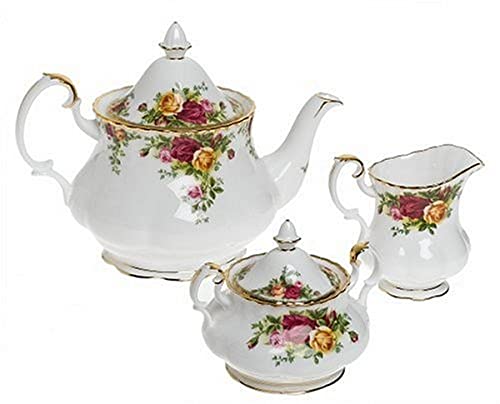
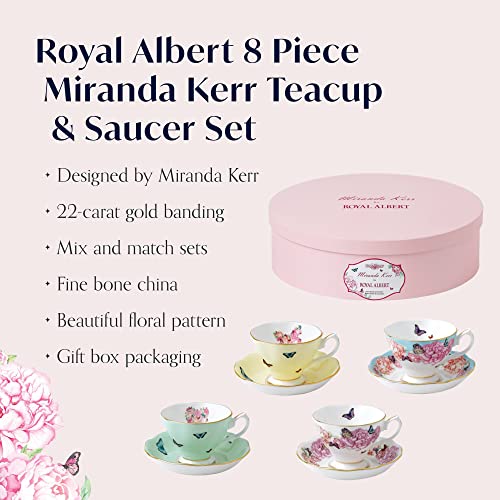
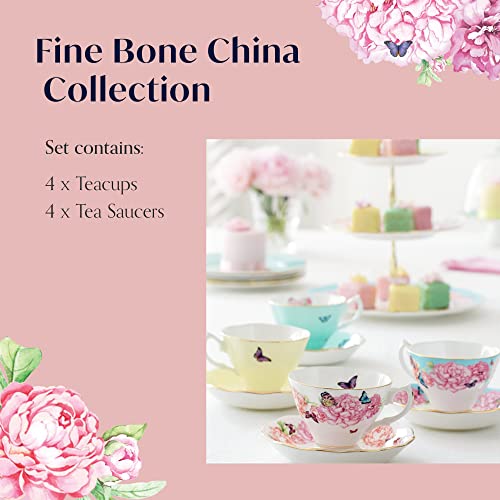
The term 'complete set' is subjective in the world of fine china. Before making a purchase, you must define your objective. Are you looking for a formal tea service, which typically includes a teapot, sugar bowl, cream jug, and several cups and saucers? Or are you seeking a full dinner service, which expands the collection to include plates of varying sizes, bowls, and potentially even serving platters? When browsing, always verify the specific piece count. A set might appear comprehensive in photos, but often lacks the essential creamer or a specific saucer size needed to match the pattern perfectly. For serious collectors, a 'complete set' implies that every piece was manufactured in the same era to ensure consistent color saturation and gilding thickness.
Pattern Identification and Aesthetic Cohesion
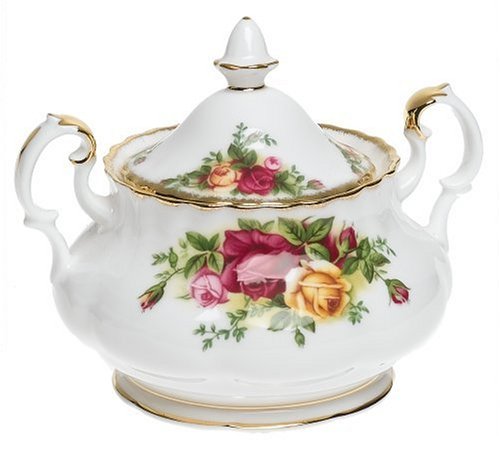
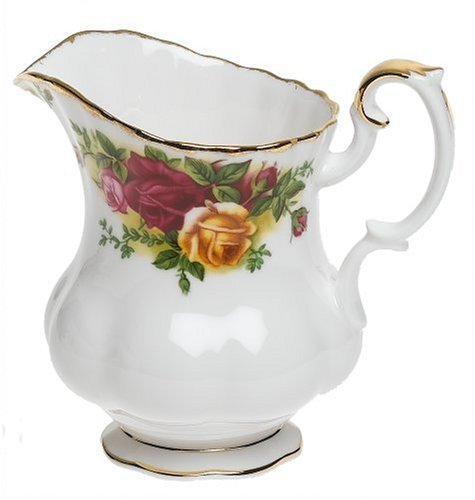
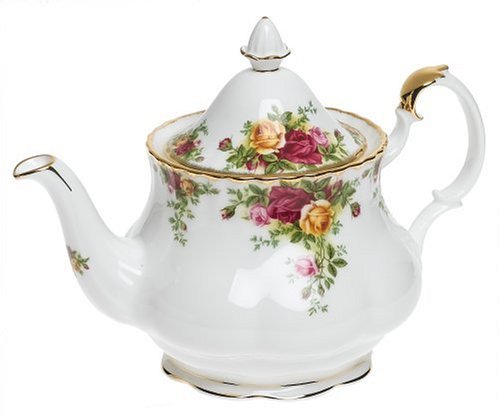
Royal Albert is synonymous with botanical elegance. Patterns like 'Old Country Roses' are iconic, characterized by lush, multi-colored blooms and heavy gold trim. Other patterns may lean toward more minimalist, pastel, or even geometric designs. When selecting a set, consider the visual weight of the pattern. Highly detailed, multi-colored floral patterns are stunning but can be visually overwhelming in a modern, minimalist dining room. Conversely, simpler patterns offer versatility. Crucially, pay attention to the 'hand-painted' versus 'transferware' aspect. While many patterns use high-quality transfers, the most prized sets often feature hand-applied accents that give the floral elements a lifelike depth and texture.
Assessing Condition and Provenance
Because many Royal Albert sets are vintage, condition is the most critical decision factor. You must inspect every piece for 'crazing'—the fine network of cracks in the glaze that can occur with age. While light crazing is common in older bone china, it can affect the structural integrity and hygiene of the piece. Furthermore, look for 'nibbles' (tiny chips on the rim) and 'flea bites' (microscopic imperfections). Gold gilding is also prone to wear. Check the edges of teacups and plates to ensure the gold hasn't been rubbed away by previous cleaning. A set with pristine gilding and no visible repairs will command a much higher value and provide a much better experience during use.
Practicality vs. Collectibility
Your final decision should balance beauty with utility. If you intend to use the set for actual dining, consider the weight and the fragility of the handles. Some vintage patterns feature very delicate, thin handles that may not withstand frequent handling. Additionally, be aware that most vintage Royal Albert sets are not dishwasher safe. If you require low-maintenance tableware, you may need to look for more contemporary iterations of classic patterns that are engineered for slightly more durability, though the 'gold standard' remains hand-washing only. For the investor, prioritize rare, discontinued patterns in mint condition, as these are the pieces most likely to appreciate in value over time.