Material Composition and Durability
The first decision factor in selecting premium cutters is the material. High-grade stainless steel is the gold standard for a reason. It provides the necessary rigidity to slice through chilled dough without bending, and it is resistant to rust and corrosion even after repeated trips through the dishwasher. When evaluating cutters, look for a thickness that feels substantial. Thinner, flimsy metals tend to warp under pressure, leading to uneven cookie heights and jagged edges. A thicker gauge of steel ensures that the shape remains true to the design, providing the structural integrity needed for complex or highly detailed silhouettes.
Edge Sharpness and Cutting Precision
A cookie cutter is only as good as its edge. For the best results, you want a cutter that features a sharp, tapered rim. A blunt edge requires more downward pressure, which can compress the dough and ruin the leavening process, resulting in flat, dense cookies. A sharp, precise edge allows you to glide through the dough with minimal effort, preserving the aeration of the dough and ensuring that the intricate details of the design are captured perfectly. If you are choosing cutters for highly detailed patterns—such as lace-like filigree or fine geometric shapes—pay close attention to how the interior lines are constructed to ensure they won't snag or pull the dough.
Design Complexity vs. Ease of Use
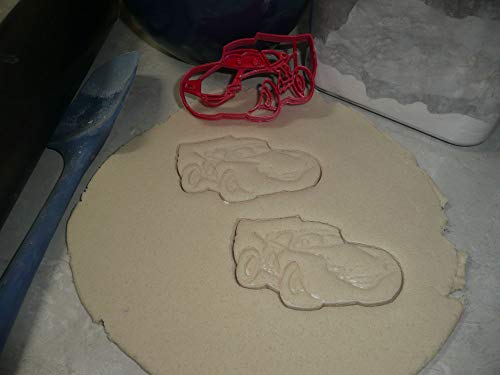
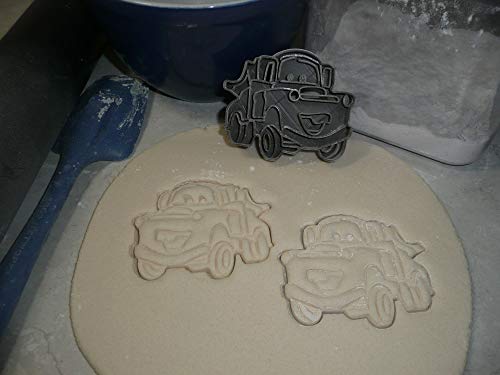
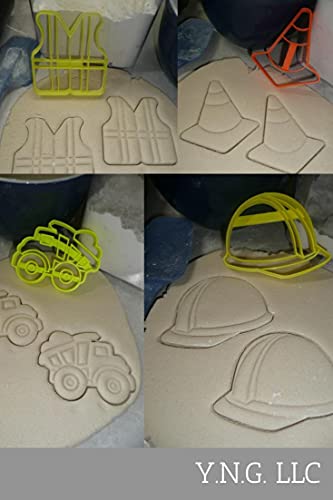
Specialized cutters often come in two varieties: simple outlines and detailed embossing sets. Outline cutters are best for classic sugar cookies where you intend to use royal icing to create your own designs. Embossing cutters, however, feature internal patterns that press a design directly into the dough. When choosing between these, consider your skill level and the time you want to invest. Embossing cutters are a massive time-saver and provide a consistent, professional look for every cookie, but they require a more even hand when pressing. If you are a beginner, starting with clean, well-defined outline cutters allows you to practice your decorating skills without the added complexity of pre-pressed patterns.
Maintenance and Longevity
To ensure your investment lasts for years of baking seasons, consider the ease of maintenance. Avoid cutters with overly complex crevices if you prefer hand-washing, as dough residue can become trapped in tiny gaps. However, if you prioritize convenience, ensure the material is explicitly rated as dishwasher safe. Regardless of the cleaning method, always dry your cutters immediately after washing to prevent any potential oxidation. A well-maintained set of high-quality cutters will remain as sharp and precise on its hundredth use as it was on its first.