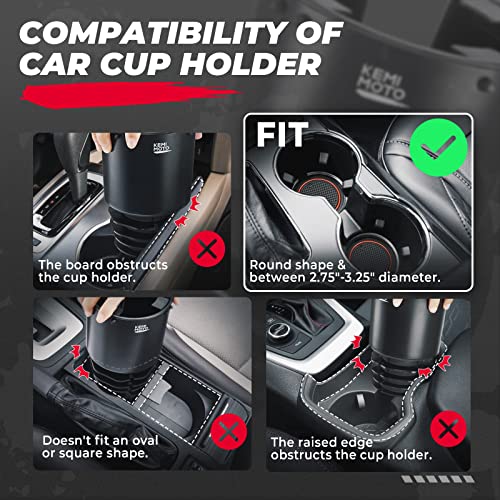
Understanding Compatibility and Base Diameter
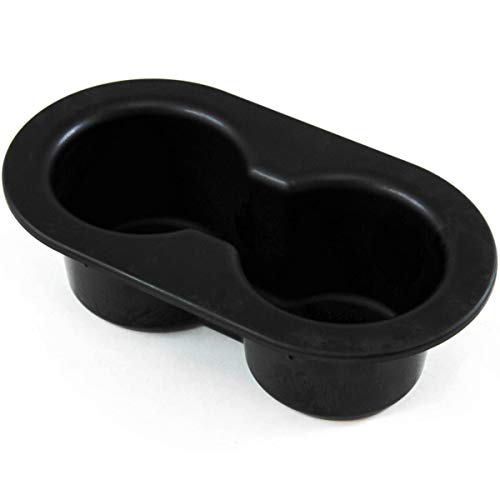
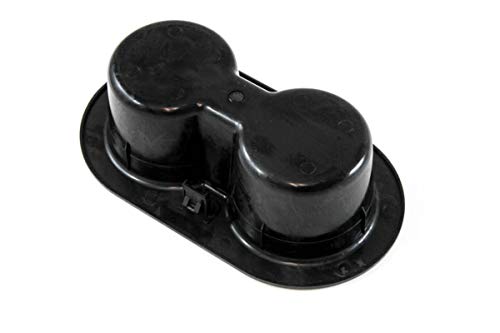
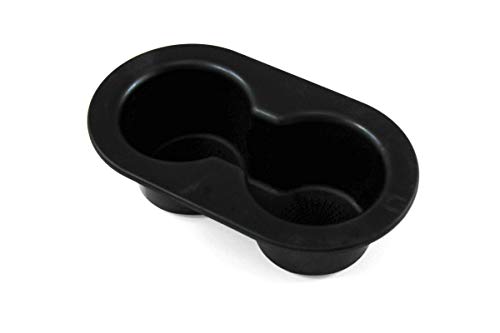
The most critical factor when selecting a Red Hound holder is the diameter of your vehicle's existing cup holder. Most automotive manufacturers use a standardized range, but there is significant variance between economy sedans and heavy-duty SUVs. Before purchasing, use a ruler or a caliper to measure the inner diameter of your current receptacle. A holder that is too narrow will wobble and eventually pop out of the slot, while one that is too wide will simply refuse to seat properly. Look for models that feature a stabilizing base or an expandable design that can grip the sides of your vehicle's original holder to prevent lateral movement.
Expansion Capabilities and Container Versatility
One of the primary reasons drivers turn to specialized holders is that modern beverage containers—such as large reusable water bottles, insulated tumblers, or oversized fast-food cups—often exceed the capacity of standard car slots. When evaluating a holder, look for 'expandable' or 'telescoping' features. High-quality designs allow the top ring of the holder to widen, accommodating a diverse range of diameters without requiring you to switch holders every time you change your drink. This versatility is essential for commuters who switch between a small espresso cup in the morning and a massive 40-ounce insulated flask in the afternoon.
Stability and Grip Mechanics
A cup holder is only as good as its ability to dampen vibration and resist centrifugal force. When browsing options, pay close attention to the materials used in the contact points. Rubberized grips, silicone linings, or non-slip pads are non-negotiable features. These materials serve two purposes: they prevent your expensive reusable bottle from scratching, and they create friction that keeps the holder locked into the vehicle's console. Avoid models that rely solely on hard plastic-on-plastic contact, as these are prone to sliding and making loud rattling noises while driving on uneven roads.
Height and Accessibility Considerations
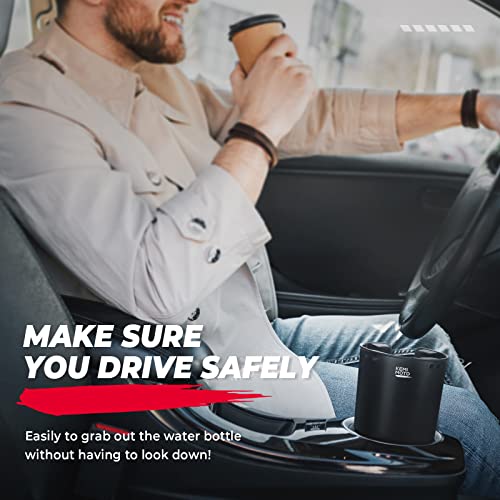
The vertical profile of the holder plays a major role in ergonomics. A holder that is too tall might interfere with your gear shifter or obstruct your view of the dashboard controls. Conversely, a holder that is too shallow might not provide enough center-of-gravity support for heavy, liquid-filled containers. Consider the 'reachability' factor. You want a holder that brings your beverage to a comfortable height for sipping without requiring you to take your eyes off the road or lean awkwardly out of your seat. If your vehicle has a deep console, a taller, more robust holder is ideal. If you have limited space, a low-profile, wide-base model is a better fit.
Material Durability and Heat Resistance
Automobiles are subject to extreme temperature fluctuations. A holder sitting in direct sunlight through a windshield can reach temperatures high enough to warp cheap plastics or degrade low-grade adhesives. Look for holders constructed from high-density polymers or reinforced materials designed to withstand heat without losing their structural integrity. Furthermore, since these holders are frequently exposed to condensation from cold drinks or accidental spills, ensure the material is easy to wipe down and resistant to mold or staining.