Understanding Fabric Weight and Light Control
The most critical decision factor when choosing Aquazolax panels is the opacity of the fabric. Because these panels are often utilized for their ability to alter the natural light entering a room, you must categorize your needs into three distinct buckets: blackout, room-darkening, or sheer. Blackout panels are engineered with high-density weaves or specialized linings designed to block nearly 100% of incoming sunlight, making them the gold standard for nurseries, media rooms, or bedrooms where sleep hygiene is a priority. Room-darkening options offer a middle ground, diffusing harsh glare while still allowing a soft, ambient glow to permeate the space. If your goal is purely decorative—such as layering over existing blinds to add texture—sheer panels are your best choice, as they provide privacy without sacrificing natural illumination.
Texture, Drape, and Material Composition
The 'hand' of the fabric—how it feels and how it hangs—dictates the formal or casual tone of your room. High-quality panels should exhibit a heavy, graceful drape that resists wrinkling. Look for textures that complement your existing furniture. Velvet-like textures provide a sense of opulence and superior thermal insulation, which is excellent for temperature regulation in colder months. Conversely, linen-look synthetic blends offer a more relaxed, coastal, or farmhouse aesthetic. When evaluating these panels, pay close attention to the weight of the hem. A well-constructed panel will have a substantial bottom hem that helps the fabric hang straight, preventing the 'fluttering' effect that can make inexpensive curtains look flimsy.
Header Styles and Installation Compatibility
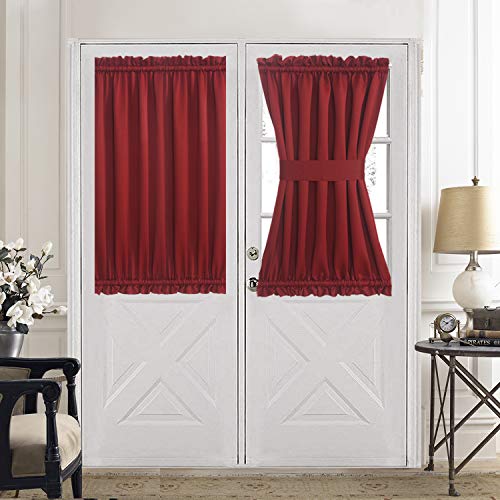
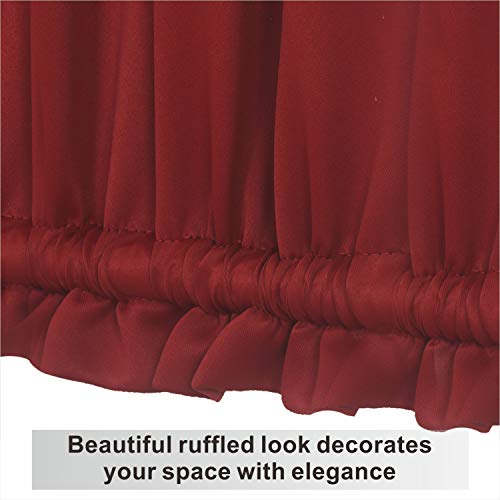
How a panel attaches to your curtain rod is just as important as the fabric itself. You will typically encounter three main styles: grommet top, rod pocket, and back tab. Grommet top panels are the most modern and easiest to slide across a rod, creating deep, uniform folds that add architectural interest to the window. Rod pocket panels offer a more traditional, gathered look but can be more difficult to pull open and closed frequently. Back tab panels provide a clean, minimalist appearance by hiding the rod behind the fabric, which is ideal for contemporary or mid-century modern interiors. Before purchasing, measure your existing hardware to ensure the header style you choose is compatible with your current rods or tracks.
Sizing for Visual Impact
A common mistake in window dressing is choosing panels that are too narrow or too short. For a professional, custom-look finish, follow the 'two-width rule': the combined width of your panels should be approximately two to two-and-a-half times the width of your window. This ensures that when the curtains are closed, they still maintain a beautiful, pleated volume rather than stretching flat across the glass. Regarding length, aim for the panels to either 'kiss' the floor or 'puddle' slightly. A panel that ends several inches above the floor can make a room feel smaller and visually unfinished. Always measure from your curtain rod to the floor, not just the window frame, to ensure a seamless vertical line.