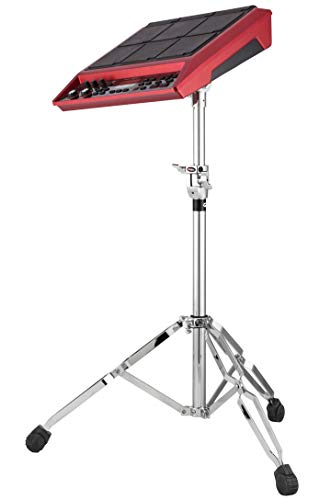
Understanding Stand Types: Boom vs. Straight
The first decision in your purchase journey is determining the geometry of your setup. Straight stands are the bedrock of a traditional kit. They are compact, incredibly stable, and offer a minimalist aesthetic. These are ideal for hi-hat stands or crash cymbals placed directly above the drums. However, if you need to position a cymbal over a tom or in a space where a vertical pole would obstruct your reach, you need a boom stand. Gibraltar offers various boom configurations, including traditional booms and telescopic booms. Traditional booms provide a fixed angle, whereas telescopic versions allow for much greater reach and versatility, making them essential for complex, multi-cymbal setups.
Weight Capacity and Build Material
Not all Gibraltar stands are created equal, and the distinction often lies in the thickness of the steel and the weight of the base. If you are a heavy hitter or play large, heavy rides, you must look for heavy-duty series stands. These feature thicker tubing that resists flexing under pressure. Conversely, if you are a touring drummer who prioritizes portability, you might opt for their lighter-weight series. However, be cautious: a stand that is too light for your playing style will suffer from 'creep,' where the cymbal slowly tilts or moves during a heavy groove. Always match the stand's weight rating to the heaviest cymbal in your arsenal.
Base Stability: Tripod vs. Round vs. Wheel
The base is the foundation of your cymbal's stability. Most Gibraltar stands utilize a tripod design, which is the industry standard for preventing tipping. Within the tripod category, you will find different leg configurations. Round-base stands are often preferred for their sleek look and ability to fit into tight spaces without the legs sticking out awkwardly, but they can be slightly less stable on uneven stages than traditional tripod legs. For drummers who frequently move their kits, certain heavy-duty models offer specialized base designs that provide a lower center of gravity, ensuring that even a massive crash cymbal won't cause the stand to wobble.
The Importance of the Tilter and Clutch
The hardware that actually holds the cymbal is where the 'feel' of the stand is determined. A high-quality tilter allows you to adjust the angle of the cymbal with precision. Look for Gibraltar models that feature ergonomic tilters with secure locking mechanisms. You want to be able to set your angle and have it stay there, regardless of how hard you hit the brass. Additionally, consider the cymbal clutch. A well-designed clutch should grip the cymbal firmly enough to prevent slipping, but not so tightly that it damages the metal. Many professional-grade Gibraltar stands feature improved clutch designs that offer a more controlled, smooth feel during play.
Recommendation Logic
When choosing, follow this hierarchy: First, define your space (Boom vs. Straight). Second, assess your playing intensity (Heavy-duty vs. Standard). Third, consider your mobility (Heavy base for studio vs. Lightweight for travel). If you are building a permanent studio rig, prioritize maximum weight and heavy-duty tubing. If you are a gigging drummer, prioritize a balance of boom versatility and weight-to-stability ratio.