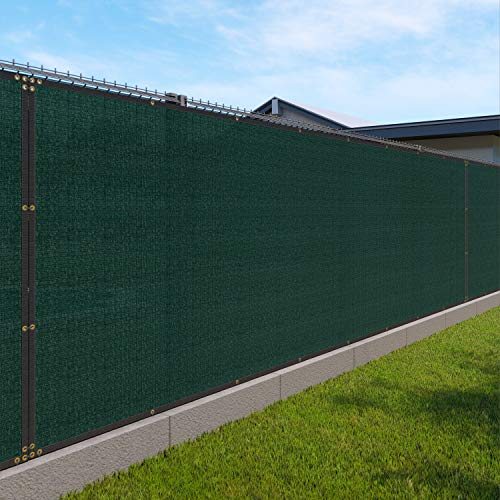
Prioritize Material Durability and Weather Resistance
The most critical factor in selecting a decorative fence is understanding the environmental stressors your specific location faces. Because these fences are often placed in exposed areas, they are subject to constant UV exposure, moisture, and temperature fluctuations. If you live in a coastal area, look for materials that are resistant to salt spray and corrosion. High-quality composite materials or treated metals are often superior to standard wood, which may warp or rot over time without intensive maintenance. When evaluating options, consider whether the material is 'fade-resistant.' A decorative fence loses its primary purpose if the color bleaches out after a single summer of intense sunlight.
Define the Primary Function: Privacy vs. Aesthetics
Before choosing a design, you must decide if the fence is meant to be a visual centerpiece or a functional screen. If your goal is to create a secluded sanctuary in a backyard, look for higher-density designs with narrower gaps between the decorative elements. These 'solid-view' fences provide the necessary opacity to block the gaze of neighbors. Conversely, if you are looking to define a flower bed or frame a walkway, a more open, lattice-style, or wrought-iron look is preferable. These open-work designs allow light and airflow to pass through, which is essential for maintaining healthy plant life behind or beneath the fence line.
Assess Installation Complexity and Versatility
Not all decorative fences are created equal when it comes to setup. Some models are designed as freestanding units that can be placed atop existing structures or around garden beds with minimal effort, making them ideal for renters or those who want a non-permanent solution. Others may require more robust anchoring, such as post-hole digging or heavy-duty mounting hardware, to withstand wind loads. If you are planning a DIY project, check the weight of the individual sections and the required tools. A fence that is easy to modularly expand is a significant advantage if you decide to enlarge your garden or extend your perimeter in the future.
Match the Style to Your Architectural Theme
A decorative fence should feel like an extension of your home, not an afterthought. For modern, minimalist landscapes, opt for sleek lines, geometric patterns, and dark, monochromatic finishes. For traditional or cottage-style gardens, look for intricate scrollwork, arched tops, or classic picket silhouettes. The 'weight' of the design matters here as well. A heavy, thick-framed fence can overwhelm a small patio, while a delicate, thin-profile fence might get lost against a large, imposing house. Use the fence to draw the eye toward specific focal points, such as a seating area or a specimen tree, rather than letting it act as a visual distraction.
Consider Maintenance Requirements
Finally, be realistic about how much time you want to spend on upkeep. While natural wood offers a timeless beauty, it requires regular staining or sealing to prevent cracking. Metal options may require occasional inspections for rust, and composite materials are often the 'set it and forget it' choice. When comparing products, weigh the initial cost against the long-term maintenance costs. A slightly more expensive, low-maintenance decorative fence often proves to be the smarter financial decision over a five-year period.