Material Composition and Longevity
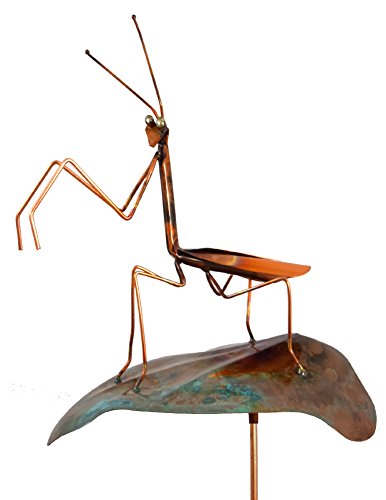
The most critical decision factor for any garden ornament is how it will react to moisture, UV exposure, and soil acidity. Artisan stakes are typically crafted from high-quality metals or ceramics, each offering a different visual and structural outcome. For a contemporary, minimalist look, powder-coated steel or wrought iron provides clean lines and structural rigidity. These materials are excellent for taller designs that need to withstand wind. If you prefer a more organic, rustic feel, hand-forged copper is a premier choice. Copper develops a natural patina over time, shifting from a bright penny hue to a soft verdigris green that blends seamlessly into lush foliage. For those seeking texture, glazed ceramic or stone stakes offer a heavy, grounded presence, though they are best suited for sheltered areas where frost won't cause cracking.
Design Language and Visual Scale
When selecting a stake, you must consider the 'visual weight' of the piece in relation to your plants. A delicate, thin-gauge brass dragonfly might look stunning in a bed of fine-textured lavender, but it will disappear entirely in a landscape dominated by large Hostas or ornamental grasses. Conversely, a heavy, geometric sculptural stake might overwhelm a small succulent arrangement. Look for designs that complement your garden's existing theme. Modern artisan styles often lean toward abstract silhouettes, mid-century geometric shapes, or botanical realism. If your garden is structured and formal, opt for symmetrical, architectural stakes. If your space is a wilder, cottage-style garden, look for asymmetrical, flowing forms that mimic the natural movement of wind and flora.
Installation and Soil Stability
A beautiful stake is useless if it leans precariously after the first rainstorm. High-quality artisan stakes feature thoughtful engineering in their base. Look for stakes with a significant insertion depth—at least six to eight inches—to ensure they remain upright in loose or sandy soil. Some premium designs feature a 'weighted' bottom or a flared base to increase stability. Additionally, consider the diameter of the stake. If you are placing the ornament in a heavy clay soil, a thicker gauge metal will be easier to drive into the ground without bending. For gardeners who frequently rotate their seasonal plantings, look for stakes with removable or modular components that allow for easy repositioning without damaging the primary structural element.
Artisanal Authenticity vs. Mass Production
To truly find an 'artisan' piece, look for indicators of hand-craftsmanship. This includes subtle irregularities in the metalwork, unique hammer marks on forged iron, or hand-painted glazes on ceramic pieces. These 'imperfections' are actually hallmarks of quality, ensuring that your garden features are unique rather than carbon copies of one another. Avoid stakes that utilize thin, hollow aluminum or plastic-coated metals, as these tend to rust at the joints or fade under intense sunlight, losing their artistic value within a single season.