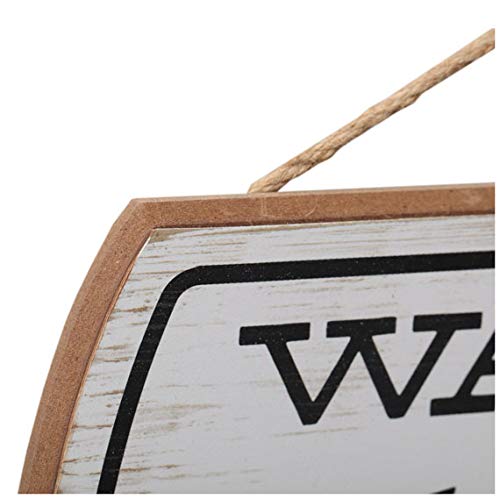
Evaluate Material Integrity and Texture
The first decision factor for any decorative plaque is the substrate. In the realm of open road decor, you will typically encounter three primary materials: wood, metal, and composite resins. Wood plaques offer a warm, organic feel that is essential for farmhouse or cabin-style aesthetics. When selecting wood, look for grain consistency and weight. A heavier plank often indicates higher-quality solid wood rather than thin veneer. Metal signs, particularly those mimicking weathered tin or distressed steel, are ideal for industrial or garage settings. These are highly durable and resist moisture better than wood, making them suitable for semi-outdoor spaces like patios or mudrooms. If you prefer high-definition imagery with a 3D effect, composite resin plaques can mimic the look of carved stone or heavy timber without the extreme weight, providing a versatile middle ground.
Consider the Visual Weight and Scale
A common mistake in home styling is selecting a sign that is either too diminutive for the wall or so massive that it overwhelms the room. Decorative plaques carry significant 'visual weight' based on their color saturation and frame thickness. A dark, heavy-framed wooden plaque will command much more attention than a light, thin metal sign. Before purchasing, measure your intended wall space and use painter's tape to outline the dimensions of the plaque on the wall. This helps you visualize the scale. For a gallery wall effect, multiple smaller plaques with a cohesive theme work best. For a singular focal point—such as above a mantle or a bar—a large, statement piece is more effective.
Analyze Mounting and Installation Requirements
How a plaque hangs is just as important as how it looks. Because many high-quality decorative plaques are made of dense materials, they can be surprisingly heavy. Check the back of the product to see if it comes with pre-installed sawtooth hangers, D-rings, or wire loops. If you are hanging a heavy metal sign in a rental property, you may need to look for options that allow for command-strip mounting or lightweight hanging hardware. Conversely, if you are installing a large wooden sign in a permanent home setting, ensure the mounting hardware is robust enough to support the weight to prevent wall damage or accidental falls.
Match the Aesthetic Theme to the Environment
The final step is ensuring the 'vibe' of the plaque aligns with your room's purpose. Open road brands often specialize in specific niches: vintage Americana, rugged wilderness, or retro automotive themes. A distressed, rusted metal sign might look spectacular in a workshop or a basement bar, but it could feel jarring in a formal dining room. For more versatile spaces, look for plaques with neutral color palettes or classic typography that can bridge the gap between different decor styles. Always consider the lighting in your room. Matte finishes are better for areas with heavy sunlight to avoid glare, while semi-gloss or metallic finishes can add a sophisticated shimmer to dimly lit lounges.