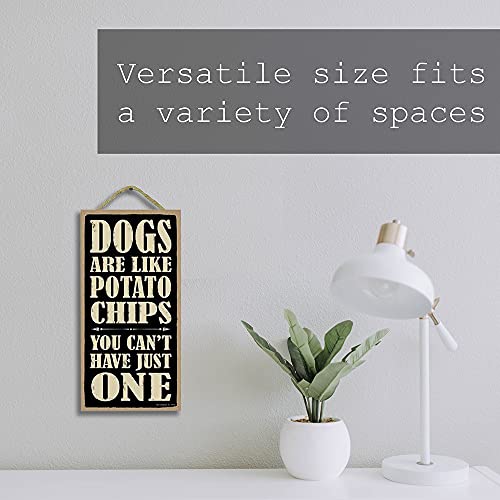
Evaluate Material Integrity and Texture
The most critical factor in selecting a decorative plaque is the substrate. Unlike mass-produced plastic alternatives, high-quality plaques rely on materials that offer tactile depth. When browsing this category, look for wood-based compositions that provide a natural grain or a smooth, polished finish suitable for formal settings. The weight of the plaque is often a reliable indicator of quality. A substantial feel usually suggests a more durable core that won't warp easily in varying humidity levels. If you are opting for a rustic aesthetic, seek out textures that mimic reclaimed wood or distressed finishes, as these add a layer of visual complexity to your walls.
Consider Typography and Legibility
A plaque is a medium for communication, whether that communication is a meaningful quote, a family name, or a seasonal greeting. Pay close attention to the engraving or printing technique used. High-quality plaques utilize deep etching or high-contrast lettering that remains legible even from a distance. Avoid designs where the font style clashes with the material—for example, ultra-modern, thin sans-serif fonts may look out of place on a heavy, rustic wooden plaque. Instead, look for a harmony between the 'voice' of the text and the 'personality' of the material.
Scale, Proportion, and Placement
One of the most common mistakes in home decor is selecting a plaque that is either swallowed by a large wall or overwhelms a small nook. Before purchasing, measure your intended mounting area. A plaque meant for a mantlepiece requires different proportions than one intended for a hallway or a door frame. Consider the 'visual weight' of the piece. A dark, heavy plaque will draw the eye immediately and act as a focal point, whereas a lighter, more minimalist design is better suited for blending into a larger collection of art. If you plan to hang the plaque alongside other items, ensure the frame thickness and color palette are compatible with your existing decor.
Durability and Mounting Requirements
Think about the environment where the plaque will live. A plaque intended for a high-traffic entryway needs to be more resilient to dust and occasional contact than one placed in a quiet study. Furthermore, check the mounting options. Some plaques come with integrated hanging hardware, while others require you to provide your own. For heavier, premium wood plaques, ensure you have the appropriate wall anchors or heavy-duty command strips to prevent damage to your walls. A well-made plaque should feel structurally sound, with no visible seams or loose edges in the construction.
Aesthetic Cohesion and Theme
Finally, define the theme of your space. Are you aiming for 'Modern Minimalist,' 'Traditional Elegance,' or 'Country Chic'? SJT Enterprises offers a variety of styles, but the key to a professional-looking home is cohesion. If your home features clean lines and neutral tones, avoid overly ornate or highly distressed plaques. Conversely, if you want to inject warmth into a sterile room, a textured, earth-toned plaque can serve as the perfect transitional piece. Match the era of the design to the era of your furniture to create a curated, intentional look.