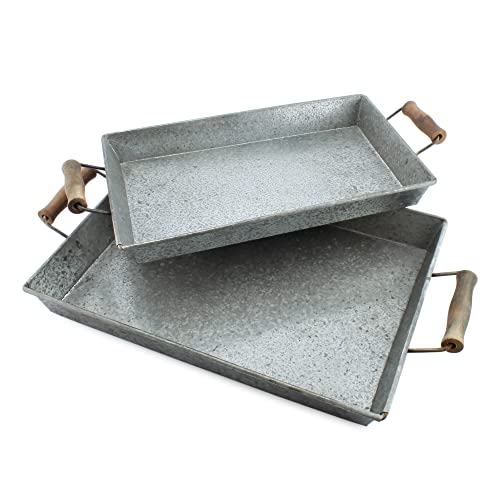
Define Your Functional Intent
Before selecting a design, determine where the tray will live. A tray intended for a coffee table serves a purely aesthetic purpose, acting as a centerpiece to organize decor. In this case, you can prioritize intricate textures, matte finishes, and unique silhouettes. However, if the tray is destined for an entryway console or a bathroom vanity, functionality becomes paramount. For an entryway, look for trays with slightly raised edges to prevent keys and mail from sliding off. For a bathroom, ensure the material is moisture-resistant to withstand the humidity of a spa-like environment. Understanding whether the tray is a 'display piece' or a 'utility piece' will dictate your choice of material and weight.
Materiality and Texture
The hallmark of high-end decorative trays is the tactile quality of the material. Auldhome designs often lean into organic textures that bring warmth to a space. If you are aiming for a minimalist or Scandinavian look, seek out smooth, light-toned woods or stone-effect finishes that provide a clean, calming foundation. If your decor leans toward maximalism or farmhouse chic, look for trays with more pronounced grain patterns, hammered metal details, or woven textures. Consider the 'visual weight' of the material: a heavy marble-style tray adds a sense of luxury and permanence to a room, while a lightweight wooden tray feels more casual and approachable.
Scale, Proportion, and Surface Area
One of the most common mistakes in home styling is selecting a tray that is either swallowed by the table it sits on or overwhelms the space. A tray should act as a frame for the objects placed within it. If you are styling a large dining table, a small tray will look lost. Instead, opt for an elongated rectangular shape that can span a significant portion of the table's width. Conversely, on a narrow side table, a circular tray can soften the sharp angles of the furniture and prevent the space from feeling cluttered. Always measure the 'footprint' of the items you intend to display—such as a large scented candle or a decorative bowl—to ensure the tray provides enough clearance to look intentional rather than cramped.
Color Palette and Cohesion
A decorative tray should either complement or intentionally contrast with your existing color scheme. Neutral tones like cream, charcoal, or natural oak are versatile 'safe bets' that integrate seamlessly into almost any interior. However, if your room feels monochromatic, using a tray in a contrasting tone or a subtle metallic finish can act as a focal point that draws the eye. Pay attention to the undertones. A tray with warm, honey-colored wood accents will pair beautifully with earth tones, while a cool-toned stone tray will elevate a modern, blue or grey-based color palette.
Maintenance and Longevity
Finally, consider the long-term care of your selection. Natural wood trays may require occasional oiling to prevent cracking, while stone or resin-based trays are generally much easier to wipe clean. If you plan to use the tray for serving food or drinks, ensure the finish is food-safe and non-porous. Selecting a high-quality tray is an investment in your home's atmosphere, so prioritizing durable construction ensures the piece remains a staple of your decor for years to come.