Define Your Aesthetic Context
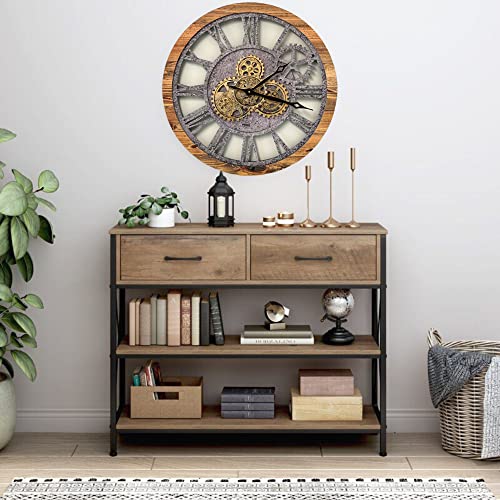
The first step in selecting a Nikky desk clock is determining where it will live. A desk clock is a visual anchor for a specific surface. If you are working in a modern, high-tech office, you should lean toward sleek lines, metallic finishes, or digital displays that offer a clean, unobtrusive look. Conversely, if your goal is to create a 'hygge' or cozy atmosphere in a bedroom or study, look for clocks with warmer textures, such as wood grain effects or soft-glow LED displays. A clock that clashes with your existing decor becomes a distraction rather than an asset. Aim for a piece that feels like an intentional part of your room's design language.
Digital vs. Analog Functionality
The most critical decision factor is the display type. Analog clocks provide a classic, sophisticated feel that is often preferred in traditional offices or living spaces. They offer a rhythmic, visual sense of time passing that can be quite calming. However, they require a quick glance to read the exact minute. Digital clocks, on the other hand, offer instant readability. For professionals who work under tight deadlines or manage complex schedules, a digital display provides the precision needed to manage time down to the second. Additionally, many digital models include extra features like temperature readouts or alarm functions, making them more versatile for multi-purpose spaces.
Visibility and Legibility
A clock is useless if you have to squint to see it. When evaluating a Nikky model, consider the contrast between the numbers and the background. High-contrast displays—such as white numbers on a dark face or black numbers on a light face—are essential for quick glances. If the clock is intended for a desk where you are often hunched over work, ensure the angle of the display is optimized for your line of sight. For bedside use, look for clocks with dimmable displays or 'auto-dim' features so the light doesn't disrupt your sleep cycle during the night.
Power Source and Reliability
Consider how much maintenance you want to perform. Battery-operated models offer the most flexibility, allowing you to place the clock anywhere without worrying about proximity to an outlet. However, you must be mindful of battery replacements. If you prefer a permanent fixture on a desk, look for models that offer USB power or AC adapter options. This ensures a consistent power supply, which is particularly important for digital clocks with alarm settings, as a dead battery can lead to missed appointments or late starts.
Desk real estate is precious. Before purchasing, measure your available space. A large, chunky clock might make a small writing desk feel cramped and disorganized. Conversely, a tiny clock might get lost on a large executive desk. Look for a 'Goldilocks' size: a piece that is substantial enough to be seen from a seated position but compact enough to leave room for your laptop, notebooks, and coffee mug. A slim profile is generally preferred for modern workspaces to maintain a sense of openness.