Material Integrity and Longevity
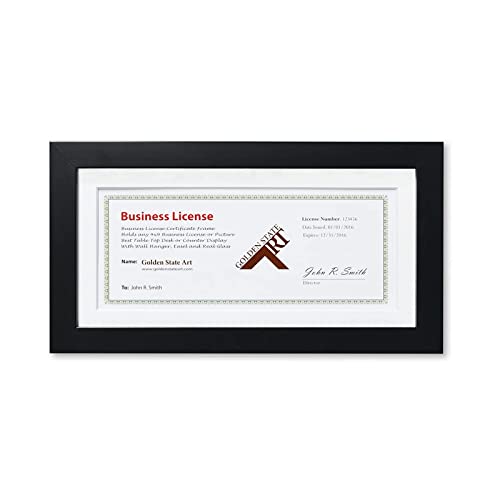
When selecting a frame for art documents, the material dictates both the visual weight and the longevity of the piece. Solid wood frames—such as oak, walnut, or maple—offer a timeless, organic feel that complements historical documents or naturalistic art. Wood provides a sturdy structure that resists warping over time, which is critical for maintaining the flatness of delicate paper. If you are looking for a more modern, minimalist aesthetic, high-quality metal frames in brushed gold or matte black can provide a sleek silhouette. Avoid low-grade plastic or composite materials if the document has significant historical or sentimental value, as these can sometimes off-gas or lack the structural rigidity needed to prevent the glass from pressing too firmly against the art.
The Importance of Archival Protection
The most critical decision factor for document framing is the preservation aspect. Art documents are highly susceptible to UV damage and acid degradation. Look for frames that include UV-protective glass or acrylic. This layer acts as a shield against sunlight, preventing the ink from fading and the paper from yellowing. Furthermore, ensure the frame utilizes acid-free matting. A standard, non-archival mat can actually transfer acidity to the edges of your document, creating permanent brown stains known as 'mat burn.' A premium frame will feature a spacer or an acid-free mounting system that ensures the document does not touch the glazing directly, allowing for air circulation and preventing moisture buildup.
Matting and Visual Depth
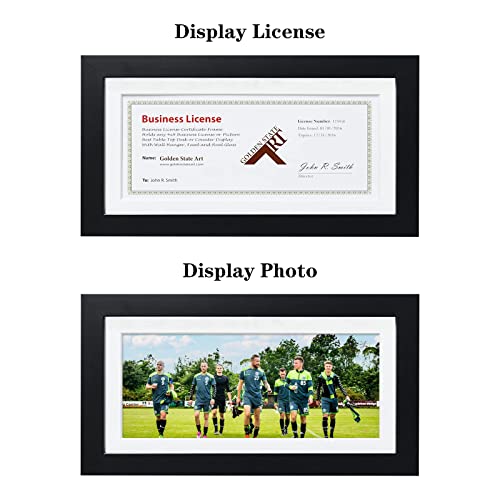
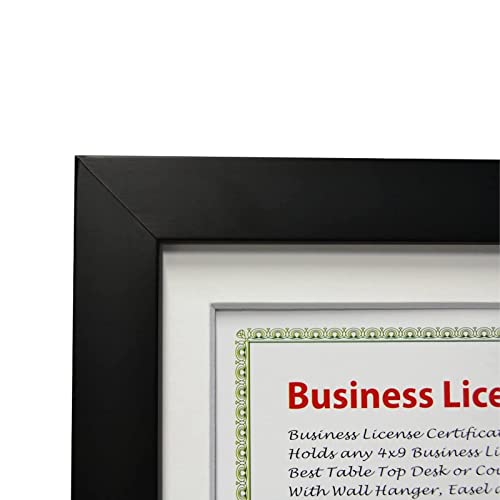
The mat is the bridge between the frame and the art. For Golden State themed documents—which often feature rich colors or intricate calligraphy—a multi-layered matting approach can add incredible depth. A single, wide mat can make a small certificate feel more substantial and authoritative. If the document is highly detailed, a neutral-toned mat (such as cream, off-white, or light grey) prevents the frame from competing with the artwork. Conversely, if you are framing a piece of art with a lot of negative space, a darker, more dramatic mat can draw the eye inward. Consider the 'window' size carefully. You want enough of a border to protect the edges of the document while ensuring the focal point remains centered.
Aesthetic Cohesion and Display Style
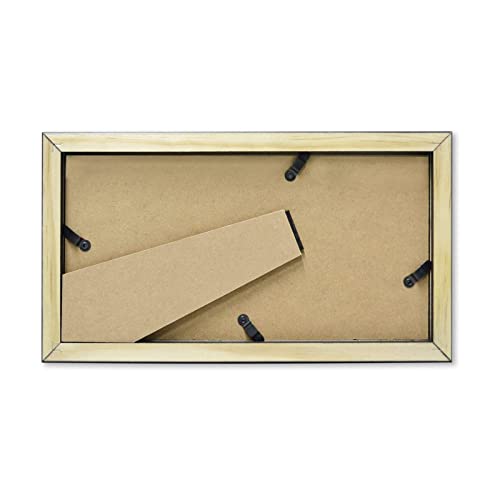
Finally, consider the intended environment. For a professional law office or a corporate boardroom, a heavy, dark wood frame with a gold inner lip provides an air of established authority. For a coastal home or a more relaxed setting, lighter woods or thin metallic frames can mimic the breezy, sun-drenched aesthetic often associated with the region. Pay attention to the hanging hardware as well. Heavy-duty, integrated hanging systems are preferable for larger document frames to ensure they hang perfectly level and securely on the wall over long periods.