Prioritize Fabric Density and Thermal Properties
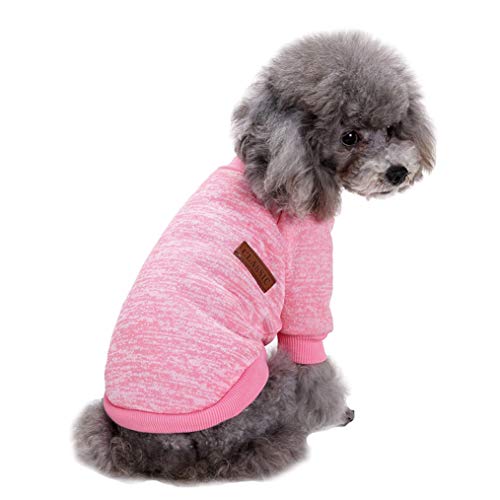
The primary purpose of a Jecikelon sweater is insulation. When evaluating these garments, look closely at the knit pattern. A tighter, denser knit provides better wind resistance and traps more body heat, which is ideal for outdoor excursions in brisk weather. However, if you are looking for an indoor 'lounging' sweater, a slightly loftier, softer yarn might be more comfortable for long periods of rest. Avoid sweaters that feel overly thin or 'see-through' when stretched, as these will lack the structural integrity to provide genuine warmth. You want a material that offers a balance of softness against the skin and enough thickness to act as a thermal barrier.
Focus on the 'Cut' and Mobility
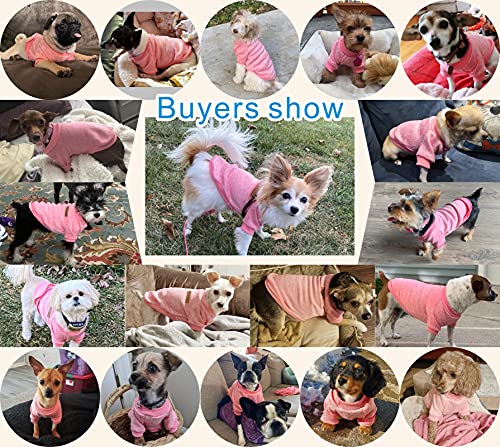
One of the most common mistakes in dog apparel is choosing a sweater based solely on weight rather than body shape. Jecikelon designs often cater to various breeds, but you must match the sweater's architecture to your dog's specific anatomy. For deep-chested breeds like Greyhounds or Dobermans, look for sweaters with a longer torso to prevent the fabric from riding up. For stockier breeds like French Bulldogs, ensure the sweater has enough circumference around the chest and shoulders to prevent chafing. A well-designed sweater should allow for a full range of motion in the front legs. If the armholes are too tight, your dog may struggle to walk naturally or may experience discomfort during play.
Ease of Dressing and Hardware Quality
Consider how much effort it will take to put the sweater on your pet every single day. Some styles utilize a simple pullover design, which is excellent for dogs with flexible spines but can be a struggle for more anxious pets. Others may incorporate stretchier necklines or even subtle fasteners. If your dog is prone to 'sweater anxiety,' look for designs with high elasticity in the neck area to minimize the sensation of being constricted. Furthermore, check the durability of the stitching around the seams and the neck. Since dogs tend to scratch or rub against their clothing, reinforced stitching is essential to prevent the knit from unraveling after just a few uses.
Sizing Logic: The 'Two-Finger' Rule
Sizing for knitwear is notoriously tricky because the material stretches. To find the perfect fit, use a soft measuring tape to record your dog's neck, chest (the widest part), and total length. When the sweater arrives, perform the 'two-finger test': you should be able to comfortably slide two fingers between the sweater and your dog's skin at the chest and neck. If it is too tight, it will restrict breathing and circulation. If it is too loose, the excess fabric will become a tripping hazard or get soaked if they walk through damp grass. Always err on the side of a slightly larger size if your dog has a thick coat, as the sweater will sit atop their fur rather than against their skin.