Understanding Hinge Types and Functionality
The first step in your selection process is determining the specific function the hinge will serve. For standard interior doors, a basic butt hinge is the industry standard. These are mortised into the door and the frame, providing a clean, flush look. However, if you are working with heavy solid-core doors or exterior entryways, you must look toward heavy-duty ball-bearing hinges. These incorporate small bearings between the knuckles, which significantly reduce friction and prevent the 'dragging' effect common with cheaper, friction-based hinges.
If you are dealing with unique architectural needs, you might encounter specialty hinges. Pivot hinges are excellent for oversized, heavy doors where the weight is concentrated at a single point, while spring hinges are essential for doors that need to close automatically, such as those leading to a garage or a laundry room. Always match the hinge type to the movement pattern required for the specific door.
Material Composition and Durability
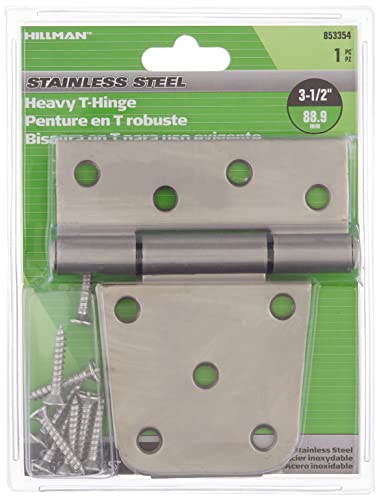
Material choice is the primary driver of both aesthetics and lifespan. Most consumer-grade hinges are made of steel, but the coating matters immensely. For high-traffic areas or coastal environments, look for solid brass or stainless steel. Stainless steel offers superior resistance to corrosion and oxidation, making it the gold standard for exterior hardware.
If you are aiming for a specific interior design aesthetic, consider the finish. Satin nickel, oil-rubbed bronze, and polished chrome are popular, but ensure the finish is applied via a durable process like electroplating rather than a simple spray paint. A high-quality finish will resist fingerprints and scratches, maintaining the hardware's appearance for years. For heavy-use commercial-grade applications, avoid hollow-core or thin-gauge metals, as they will bend under the lateral pressure of a heavy door.
Sizing, Gauge, and Load Capacity
Selecting the wrong size is the most common mistake in hinge procurement. You must measure the height and width of your existing hinges to ensure a seamless replacement. Standard residential hinges typically come in 3.5-inch or 4-inch lengths. Furthermore, pay close attention to the 'gauge' or thickness of the hinge leaf. A thicker leaf provides more structural integrity and prevents the hinge from warping under the weight of the door.
Always calculate the weight of your door before purchasing. A lightweight hollow-core interior door can function fine on standard hinges, but a solid oak or mahogany door requires hinges with a high load capacity. If the door is exceptionally heavy, consider using three hinges instead of the standard two to distribute the weight more effectively across the frame.
Key Decision Checklist
Before finalizing your purchase, run through this quick checklist to ensure compatibility:
- Does the hinge material match the environmental exposure (interior vs. exterior)?
- Are the bearings included if the door is heavy or high-traffic?
- Does the finish match your existing door hardware for visual cohesion?
- Is the hinge thickness (gauge) sufficient for the door's weight?
- Are the screw lengths appropriate for the depth of your door jamb?