Understanding Lever vs. Knob Functionality
The primary reason to opt for a lever rather than a traditional round knob is accessibility and ergonomics. Levers allow for operation with an elbow or a closed fist, which is a significant advantage in high-traffic areas like kitchens or bathrooms where your hands might be full or dirty. When selecting a lever, pay attention to the 'throw'—the distance the handle travels to retract the latch. A lever that feels too stiff or requires excessive force can lead to premature mechanical failure and user frustration. Look for models that offer a smooth, fluid motion, indicating well-machined internal springs.
Key Decision Factors: Finish and Material
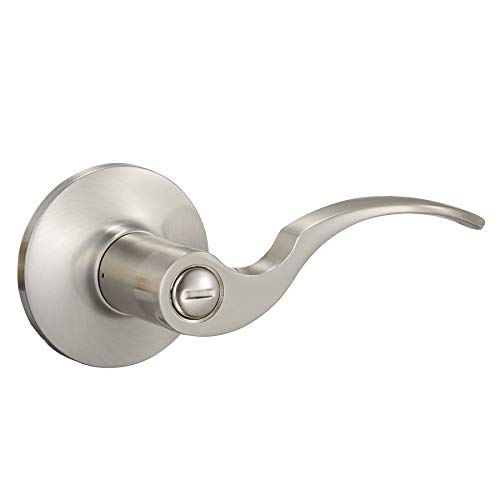
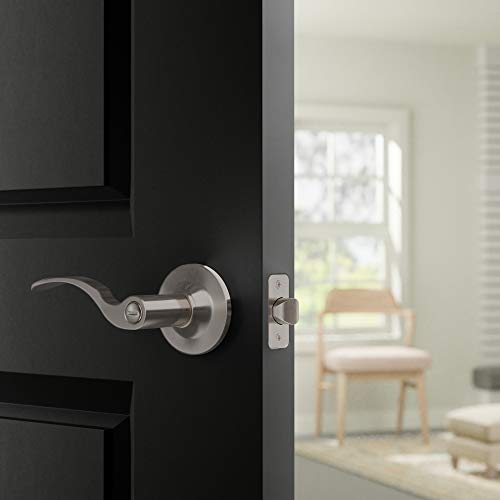
The finish of your door lever dictates how much maintenance it will require over time. For high-use areas, a satin nickel or brushed chrome finish is often superior to polished finishes because they are much more forgiving when it comes to fingerprints and smudges. If you are aiming for a contemporary look, matte black is a popular choice, but ensure the coating is durable enough to resist chipping from frequent contact. Material composition is equally vital. While many budget-friendly levers use zinc alloys, they should feel substantial in the hand. Avoid levers that feel hollow or lightweight, as these are prone to bending or snapping under heavy daily use.
Security and Locking Mechanisms
Not all levers are created equal when it comes to privacy. You must categorize your needs into three distinct types: passage, privacy, and keyed entry. Passage levers have no locking mechanism and are ideal for hallways or closets. Privacy levers feature an internal locking mechanism (often a thumb turn) designed for bathrooms and bedrooms to prevent accidental entry. Keyed entry levers are intended for exterior doors or home offices where higher security is required. When evaluating a privacy lever, check how easy it is to release the lock from the outside in an emergency—most quality designs include a small emergency release hole.
Installation Compatibility and Fit
Before purchasing, you must verify the technical specifications of your existing doors. Most standard residential doors use a 2-3/8 inch or 2-3/4 inch backset (the distance from the edge of the door to the center of the handle hole). Ensure the lever you select is adjustable or specifically matches your door's dimensions to avoid drilling new holes. Additionally, consider the door thickness. Standard interior doors are typically 1-3/8 to 1-3/4 inches thick. If you have an oversized or heavy solid-core door, you will need to ensure the latch and mounting hardware are rated for that specific depth to prevent the lever from wobbling.
Recommendation Logic
When deciding which lever to bring home, follow this hierarchy: First, prioritize the function (Do you need a lock or just a passage lever?). Second, prioritize durability (Is the finish resistant to fingerprints and the mechanism smooth?). Third, prioritize style (Does the finish complement your hardware elsewhere?). If you are renovating a whole house, consistency is key—try to match the finish of your door levers with your cabinet pulls and light fixtures to create a cohesive interior design.