Understanding Head Material and Sonic Profile
The most critical decision factor in selecting a mallet is the composition of the head. Innovative mallets are now utilizing a spectrum of materials designed to manipulate specific frequency responses. Soft felt mallets are the standard for warm, blended orchestral colors, but modern iterations often use synthetic blends that resist compression better than traditional wool, providing a more consistent response over long performances.
If you are looking for clarity and 'ping,' hard rubber or high-density plastic heads are essential. However, the most exciting innovation lies in multi-layered heads—where a core of hard material is wrapped in a softer outer layer. This allows a player to achieve a sharp attack without the harsh, overwhelming overtones that can plague single-material mallets. When shopping, consider whether you need a 'dark' sound (which absorbs high frequencies) or a 'bright' sound (which emphasizes the transient attack).
Shaft Dynamics and Weight Distribution
The shaft is the lever through which you control the mallet. While traditional birch or rattan shafts are staples, innovative designs now experiment with carbon fiber and specialized composite woods. Carbon fiber offers an incredible strength-to-weight ratio, allowing for a very thin, fast shaft that does not flex unpredictably. This is particularly useful for rapid, technical mallet percussion passages where precision is paramount.
Beyond material, pay close attention to the balance point. A mallet that is 'head-heavy' provides more natural momentum for large, sweeping rolls, but can be fatiguing during intricate rhythmic work. Conversely, a shaft that is balanced closer to the hand offers superior dexterity and control for nuanced, delicate textures. An innovative mallet should feel like an extension of your arm, not a weight you are fighting against.
Ergonomics and Grip Texture
Percussionists often perform for extended periods, making hand fatigue a significant concern. High-end mallets are increasingly incorporating ergonomic considerations into their handle design. Look for shafts with subtle taper variations that allow for multiple grip styles, from a loose, flowing grip for rolls to a tight, controlled grip for staccato strikes. Some modern mallets feature specialized coatings or textures on the shaft to prevent slipping due to perspiration, ensuring that your technical precision does not degrade during a demanding set.
Matching Mallets to Instrument Resonance
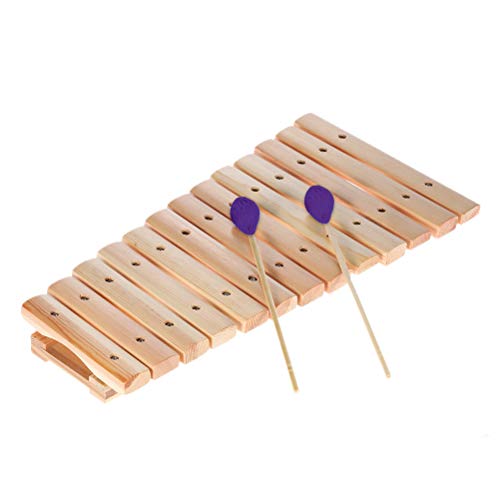
The final step in your selection process is matching the mallet's physics to the instrument's resonance. A heavy, large-headed mallet might sound magnificent on a large concert bass drum but will be completely ineffective on a delicate glockenspiel. For mallet instruments like the marimba or xylophone, you must consider the 'throw' of the mallet. An innovative mallet with a high-rebound head will allow you to play faster, but you must ensure the head size is appropriate for the bar width to avoid accidental 'dead' hits or unintended sympathetic vibrations.